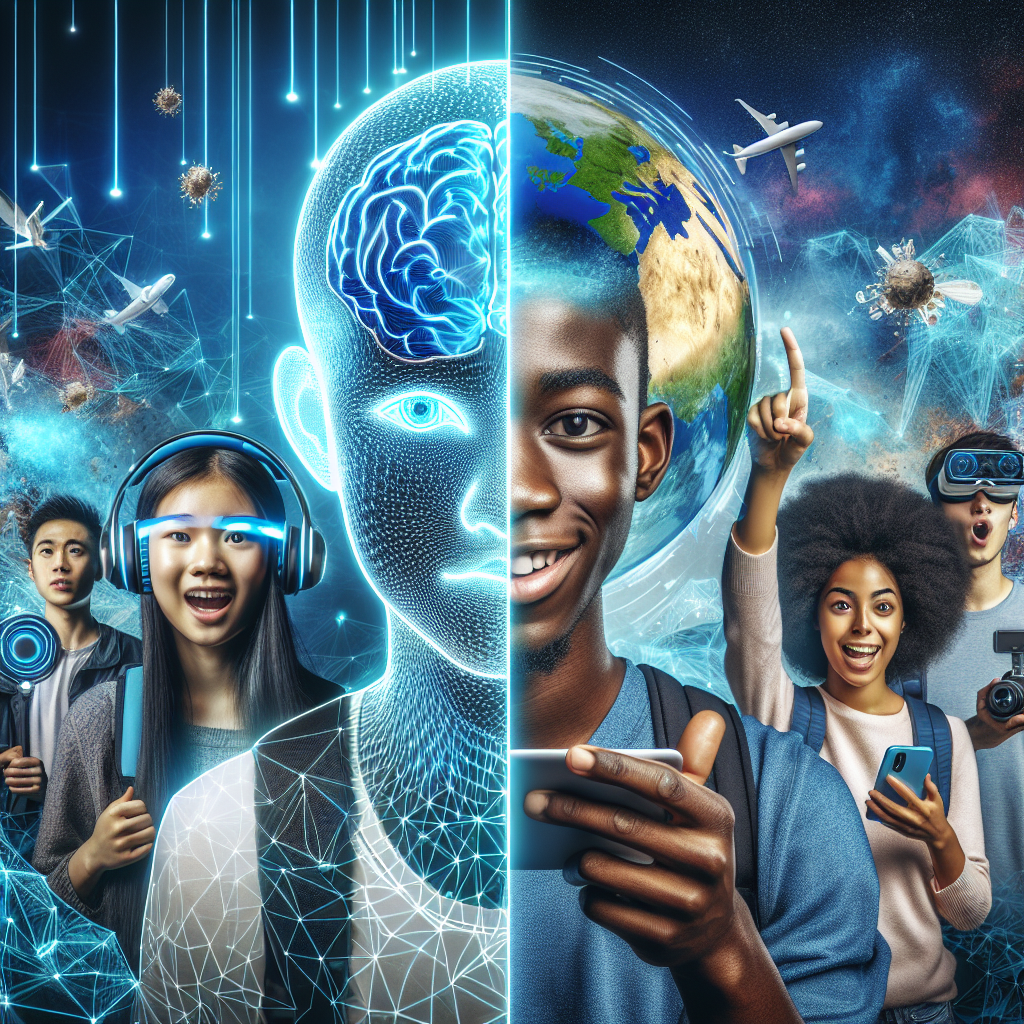
As the travel industry evolves, the traditional role of human travel agents is increasingly being supplemented by artificial intelligence, with the latest trend being predominantly driven by Generation Z’s preference for digital solutions. A report by Startup News, titled “Gen Z’s Travel Agent: It’s a Bot with Better Ideas”, underscores how AI bots are becoming indispensable tools for young travelers seeking personalized and innovative travel experiences.
Generation Z, those born from the mid-1990s to the early 2010s, are digital natives who have grown up with technology at their fingertips. This proficiency and comfort with digital platforms are now influencing their travel bookings and arrangements. According to the article, these younger travelers are turning to specialized AI bots that not only handle the logistics of travel but also suggest unique and less-explored destinations.
The capabilities of these AI bots extend beyond mere booking services. They incorporate complex algorithms and machine learning to analyze vast amounts of data regarding destinations, weather patterns, cultural activities, and even local dining preferences. This allows them to tailor suggestions that align closely with the user’s interests and past travel patterns. For instance, a bot might suggest a culinary-focused itinerary to a food lover or a series of hidden gem hiking spots to an adventure seeker, based on their previous activities and feedback.
Moreover, these AI travel agents are available 24/7, responding instantly to inquiries and adapting to changes in traveler plans without the delays typically associated with human agents. The personalization and efficiency offered by AI are not just appealing but are becoming expected features of service as Gen Z sets new standards for travel experiences and consumer interactions.
Despite the rise of AI in travel planning, concerns about privacy and data security remain pertinent. The AI systems rely on accessing and storing significant amounts of personal data to function optimally. Users must be cognizant of the data they share and understand the security measures implemented by these AI platforms. Some industry experts argue that while AI can offer enhanced personalized experiences, it also poses risks that must be managed through stringent data protection laws and transparency in AI operations.
Additionally, while AI travel agents are popular among Gen Z travelers, they might not yet fully replace human agents, especially for complex travel arrangements or when travelers are faced with unforeseen circumstances, such as those involving political instability or natural disasters where human judgement and experience become invaluable.
The evolution of AI travel agents represents a broader shift in consumer behavior and market expectations driven by technological advancements and changing demographics. As we move forward, the travel industry—and indeed, the broader landscape of service industries—must continue to adapt to these changes, balancing technological benefits with privacy safeguards and personalized human touch. Industry stakeholders, therefore, face the dual challenge of embracing innovation while ensuring they do not alienate segments of the market still preferring traditional service delivery. The future trajectory of the travel industry will likely be one of coexistence and integration between human expertise and artificial intelligence.