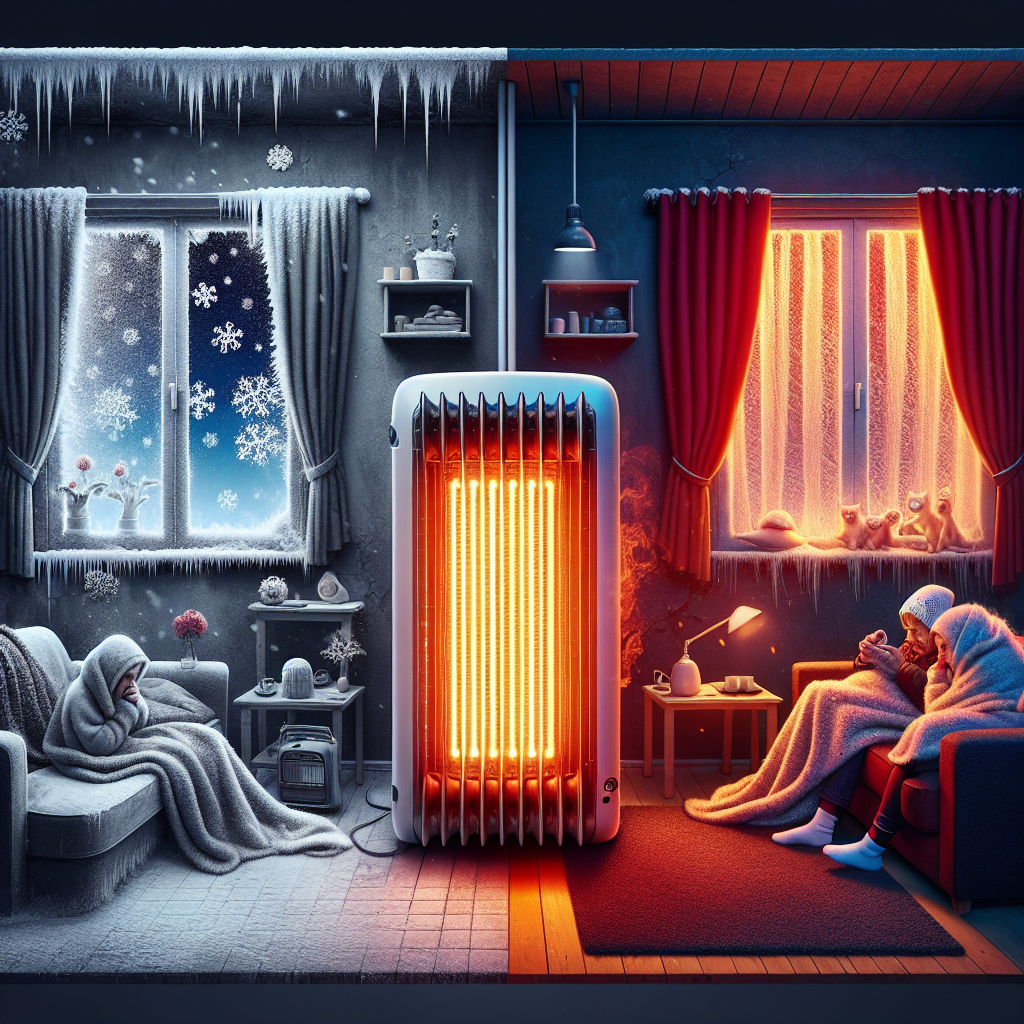
As winter temperatures continue to grip much of the country, homeowners are looking for effective ways to stay warm without inflating their utility bills. According to a recent analysis titled “Yes, a Space Heater Can Slash Your Heating Bill — We Did the Math to Prove It,” published by Startup News FYI, small, strategically used space heaters could be one solution to rising energy costs.
The article presents a detailed cost-benefit analysis of using portable electric heaters to supplement or even partially replace central heating systems, particularly in areas of a home that are most frequently used. The analysis builds on basic principles of energy consumption, pointing out that heating an entire home with a central furnace — particularly in larger or poorly insulated houses — can be markedly more expensive than using a space heater to warm a single room.
Drawing on average U.S. utility rates, the Startup News FYI piece illustrates how, under controlled conditions, a 1,500-watt space heater running for several hours a day can cost significantly less over time than raising the thermostat for the entire home. For example, in regions where electricity is relatively affordable, the daily cost of operating a standard space heater may amount to less than $1, assuming moderate usage. This contrasts with the $4 or more it might cost per day to increase the indoor ambient temperature via central heating, depending on the home’s size and insulation levels.
However, the article notes that effectiveness depends heavily on user behavior and the physical layout of the residence. Space heaters are most efficient in small, enclosed spaces and can lose their cost-saving benefits if used in multiple rooms simultaneously or left running continuously. Additionally, safety concerns are briefly acknowledged. Space heaters must be operated with care to avoid fire risks, particularly models lacking automatic shut-off mechanisms or those used near flammable materials.
One interesting insight from the Startup News FYI analysis is the potential for combining space heaters with programmable thermostats. Lowering the central system’s temperature overnight or during work hours, while selectively heating key living areas, can yield substantial savings over the course of a winter. For households where only one or two rooms are regularly occupied, this hybrid approach may present an attractive compromise between comfort and cost.
While not a one-size-fits-all solution, the data presented makes a compelling case for reevaluating the role of space heaters in home energy strategies. Especially in an era of increasing energy prices and unpredictable winters, reassessing how heating is distributed in the home could lead to significant financial and environmental benefits.
Ultimately, as Startup News FYI’s analysis suggests, a carefully used space heater — when paired with informed energy habits — may offer more than anecdotal warmth. It could represent a practical and economical shift in how we think about home heating in the 21st century.