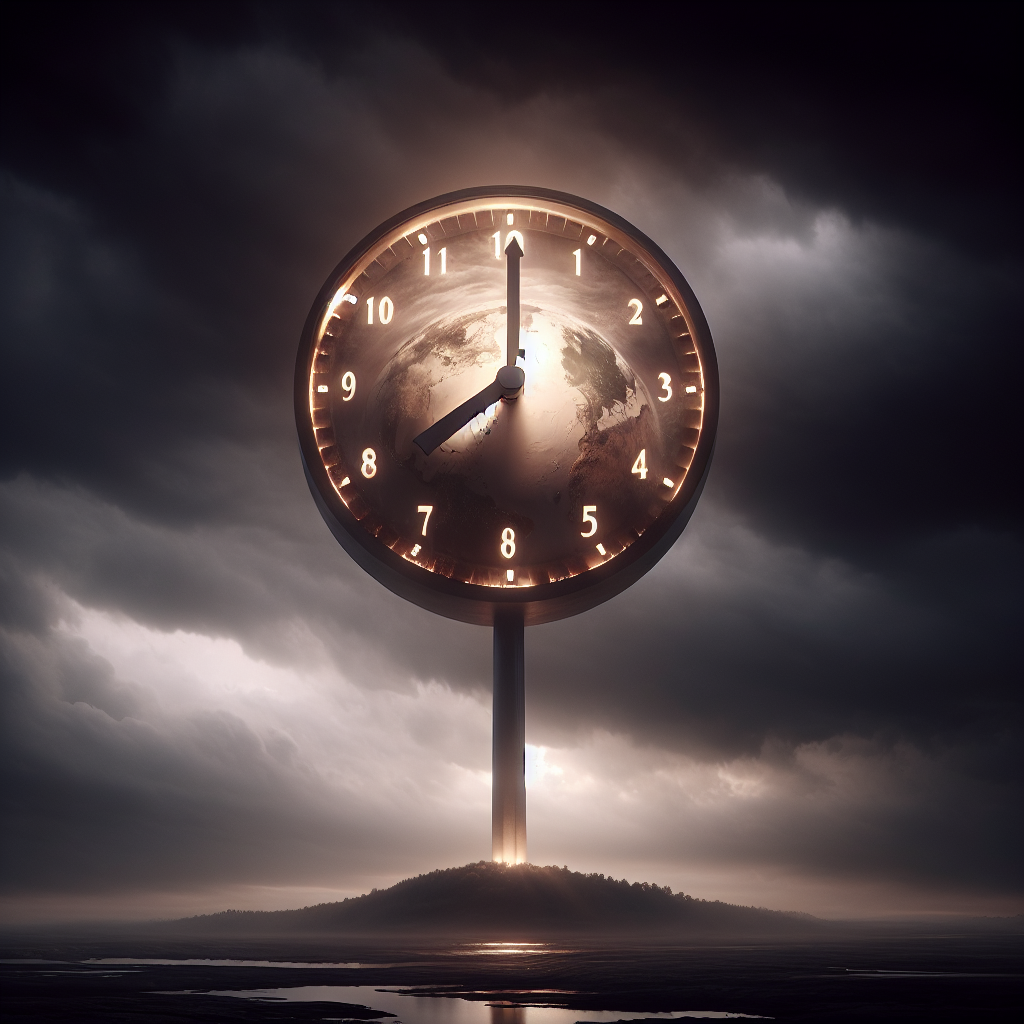
The symbolic Doomsday Clock, maintained by the Bulletin of the Atomic Scientists since 1947, has been set to 85 seconds to midnight—its closest point yet to a theoretical global catastrophe. Citing escalating nuclear tensions, accelerating climate change, and the unchecked spread of disinformation, the organization’s annual update underscores a compounding array of existential threats facing humanity.
As reported in the recent article “The Doomsday Clock is Now 85 Seconds to Midnight—Here’s What That Means,” published by Startup News FYI, the new setting reflects a consensus among leading scientists and policy experts that the world is entering an increasingly precarious phase. The time adjustment, made by the Bulletin’s Science and Security Board in consultation with its Board of Sponsors, including 10 Nobel laureates, marks a five-second shift from last year’s setting of 90 seconds to midnight.
Rachel Bronson, president and CEO of the Bulletin, emphasized in the organization’s press conference that the closer the clock is to midnight, the more perilous the state of the world. “We are not moving closer to midnight to provoke fear,” she noted. “We’re doing it to call attention to the severity of our current moment and the policy changes needed to avoid catastrophe.”
Among the specific concerns contributing to this year’s dramatic adjustment is the rising threat of nuclear conflict, particularly amid heightened tensions involving Russia, China, and NATO allies. The ongoing war in Ukraine, nuclear weapons modernization programs across several countries, and the breakdown of arms control agreements have all heightened fears of miscalculation or intentional deployment.
The Bulletin also highlighted the escalating impacts of climate change as a central driver of the clock’s advancement. Despite global awareness and negotiations such as those held at the UN’s COP summits, greenhouse gas emissions continue to climb, and extreme weather events have grown in both frequency and intensity. The failure of major nations to meet meaningful climate targets underscores what scientists describe as a dangerous gap between political rhetoric and effective action.
Compounding these threats is the increasingly destabilizing role of disinformation and erosion of trust in scientific institutions. Particularly in the context of pandemics, democratic fragility, and climate policy, the deliberate spread of falsehoods undermines collective response mechanisms and inflames political divisions, further weakening society’s ability to respond to crises.
Originally conceived during the early years of the Cold War, the Doomsday Clock has always been intended as a metaphorical measurement of humanity’s proximity to self-inflicted disaster. Midnight on the clock represents the moment of global catastrophe, and the ticking seconds toward that hour serve to galvanize public discourse and political will. In this year’s announcement, the Bulletin reiterated that the time can still be turned back—provided that world leaders take coordinated, evidence-based action.
The decision comes at a time when global cooperation appears particularly strained, but scientists remain adamant that decisive leadership can yet alter the course. While the setting of the Doomsday Clock is symbolic, its implications are grounded in real-world data and policy assessments. The Bulletin urges immediate, collective action to de-escalate tensions, reduce emissions, and rebuild public trust in credible institutions.
As Startup News FYI illustrates in its coverage of the update, the Doomsday Clock serves both as a grim reminder of risks amassed and as a call to policymakers to steer the planet away from the brink. Only through sustained and accountable international engagement, experts argue, can the timeline to midnight be rolled back.