In its continued effort to shape a more balanced and self-reliant economy, the Indian government unveiled the Union Budget for 2026-27 with a series of recalibrations in taxation that will impact both domestic consumption and imports. According to the article titled “Budget 2026: What gets cheaper, costlier and expensive in Union Budget 2026-27 – Check full list,” published by The Economic Times, Finance Minister Nirmala Sitharaman’s budget introduces significant shifts in customs duties, affecting a wide array of products across sectors.
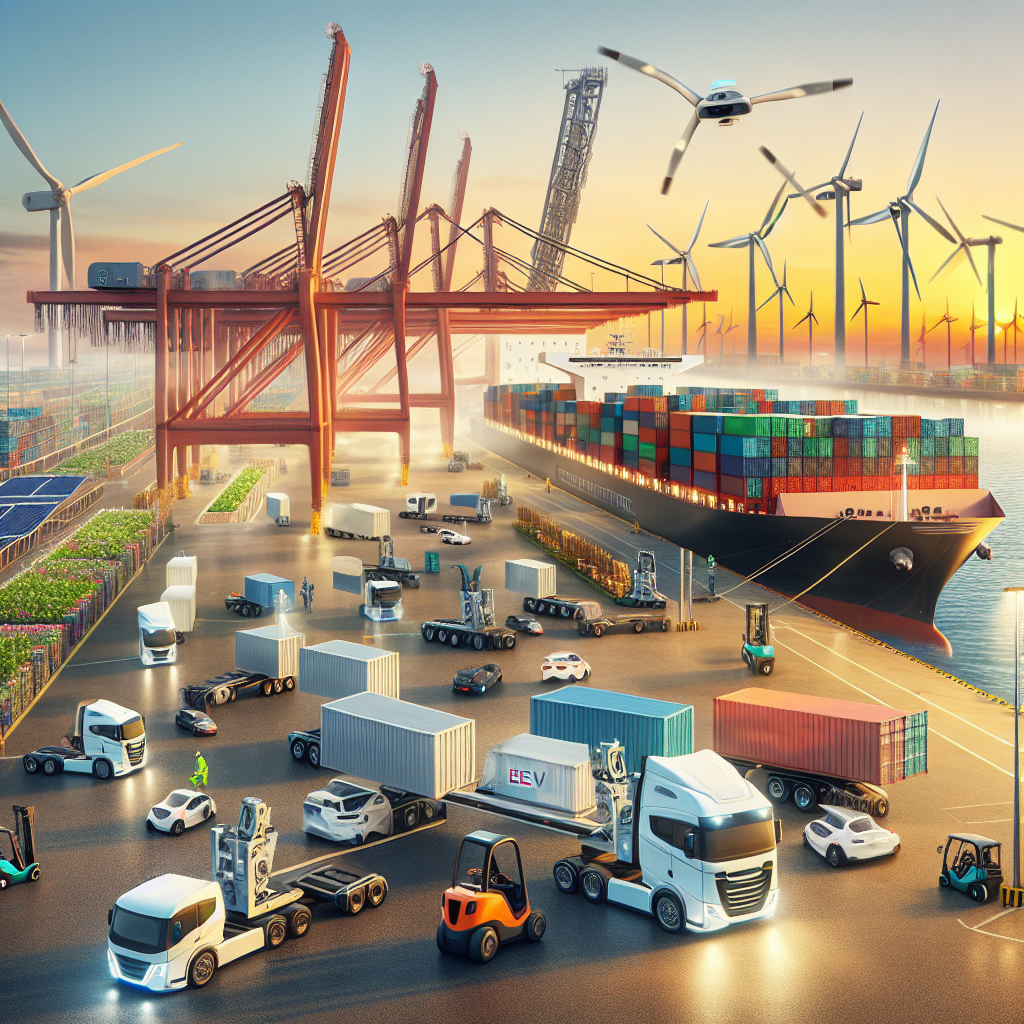
Among the most notable changes is the reduction in customs duties on components used in the manufacturing of electric vehicles and lithium-ion batteries. This move aligns with the government’s broader agenda to boost India’s electric mobility ecosystem and reduce dependence on fossil fuels. Components such as motor controllers, AC and DC charging equipment, and battery management systems are among the items that will now be cheaper to import, potentially bringing down the overall cost of EV production.
Conversely, the budget increases customs duties on certain finished goods to encourage domestic manufacturing under the “Make in India” program. Products like premium kitchen appliances, imported toys, and select luxury goods will now fall under higher import tariffs. The government hopes this strategy will not only stimulate local production but also curb non-essential imports, contributing to improved trade balance figures.
For consumers, the impact will be multifaceted. While the cost of electric two-wheelers and energy storage solutions may see a decline, prices of imported electronics, gift items, and luxury furniture could rise as a result of the new duty structure. The Economic Times article also details that packaged food items and select fast-moving consumer goods (FMCG) could become marginally more expensive due to adjusted input tax credits in the goods and services tax (GST) regime.
Industry reactions to these measures appear mixed. Manufacturers in the EV and renewable energy space have welcomed the cuts in component tariffs, citing stronger incentives to scale operations. However, representatives from sectors dependent on imported finished goods have expressed concerns over potential short-term inflationary pressure and reduced competitiveness.
Economists observe that the budget reflects a calibrated approach—simultaneously fostering domestic capabilities and addressing environmental goals, all while remaining cognizant of fiscal discipline. In particular, incentives aimed at the green economy signal an increasing policy emphasis on sustainability without abandoning the priority of industrial self-reliance.
While the long-term implications of the new tariff structure remain to be seen, the 2026-27 budget clearly builds upon existing economic narratives: encouraging Indian production, reducing carbon dependence, and gradually reshaping the country’s import-export framework. As described in The Economic Times’ coverage, the coming months will provide a clearer picture of how these policy shifts translate into retail prices and industrial performance.