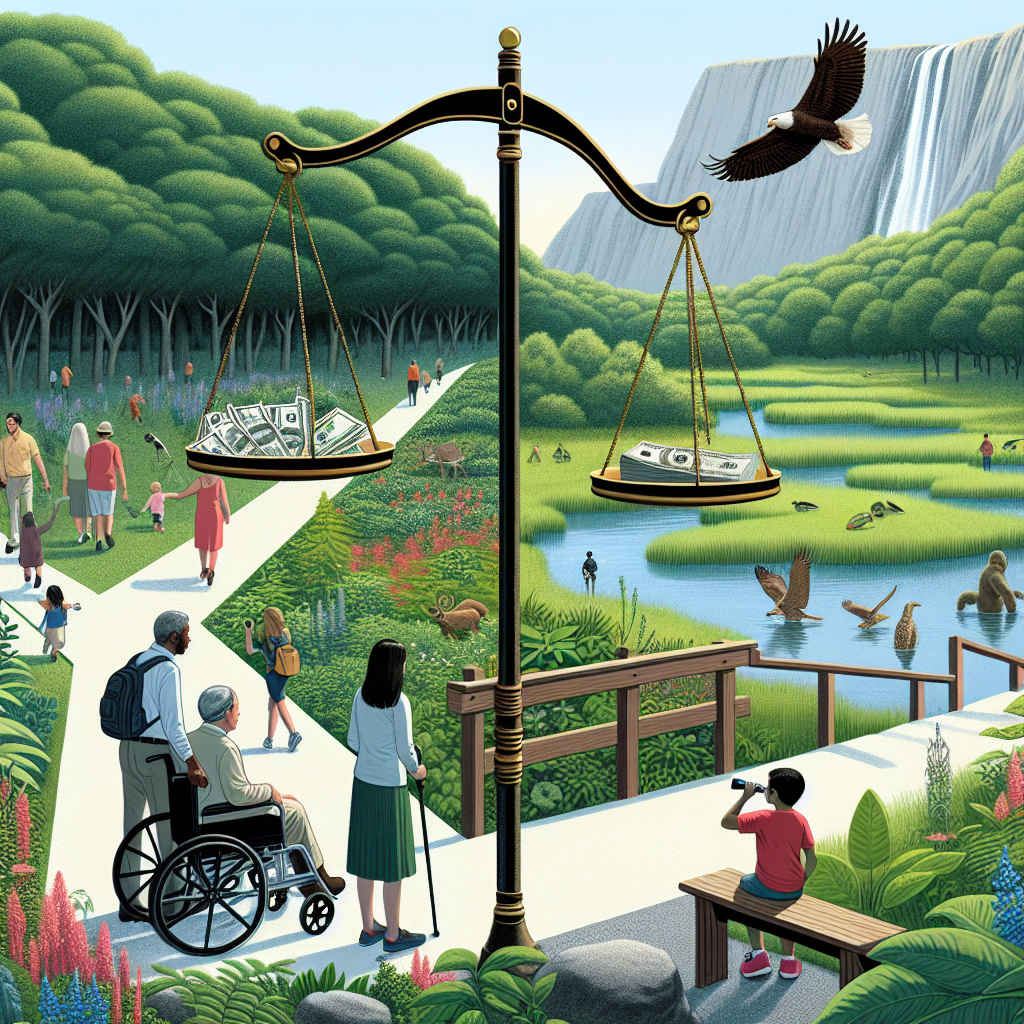
In a move hailed by conservationists and public access advocates alike, the U.S. Department of the Interior has unveiled sweeping reforms to modernize and improve affordability of entrance to national parks across the country. The announcement, first reported in the article “America Announces Modernized and More Affordable National Park Access” by Startup News FYI, outlines a comprehensive plan to overhaul outdated infrastructure, implement new technology systems, and expand discounted access to historically underserved communities.
Interior Secretary Deb Haaland described the initiative as a “transformational investment” in America’s public lands and the people who use them. Central to the plan is a redesigned digital access system, including a simplified online platform and mobile app intended to make it easier for individuals and families to reserve campsites, purchase passes, and access real-time information. The program also introduces dynamic pricing models aimed at reducing economic barriers during off-peak seasons, while moderating demand in high-traffic areas.
The new policy incorporates expanded eligibility for discounted and free passes, particularly for low-income families, veterans, seniors, and persons with disabilities. In addition, tribal communities will benefit from enhanced consultation processes around park management and stewardship, in acknowledgement of their historical and cultural ties to many federally protected lands.
According to officials, the overhaul is partially funded through public-private partnerships and revenue from the Great American Outdoors Act, passed by Congress in 2020, which allocated billions of dollars to address maintenance backlogs in national parks and public lands. The modernization efforts also include investments in eco-conscious transportation options and visitor infrastructure, with the intention of reducing carbon emissions and enhancing sustainability.
The announcement comes amid surging interest in domestic travel and outdoor recreation, with the National Park Service reporting record visitation numbers in the past two years. Critics of the current system have argued that rising entrance fees and hard-to-navigate reservation platforms have limited opportunities for many Americans to access what has long been termed “America’s best idea.”
Environmental advocates have cautiously praised the reforms, with some emphasizing the importance of keeping ecological preservation at the heart of any effort to increase accessibility. Others have called for enhanced transparency around the partnerships involved and urged officials to ensure that modernization doesn’t inadvertently prioritize commercial interests over conservation.
With implementation of the new access initiatives set to begin in early 2026, the Interior Department has described this as the beginning of a multi-year effort. As national parks continue to contend with the dual challenges of environmental degradation and increased human impact, officials have stressed the need for balanced, forward-looking strategies. The modernization plan, as presented, aims to address those concerns while reaffirming a foundational principle of the American ethos: shared, equitable access to the nation’s natural heritage.