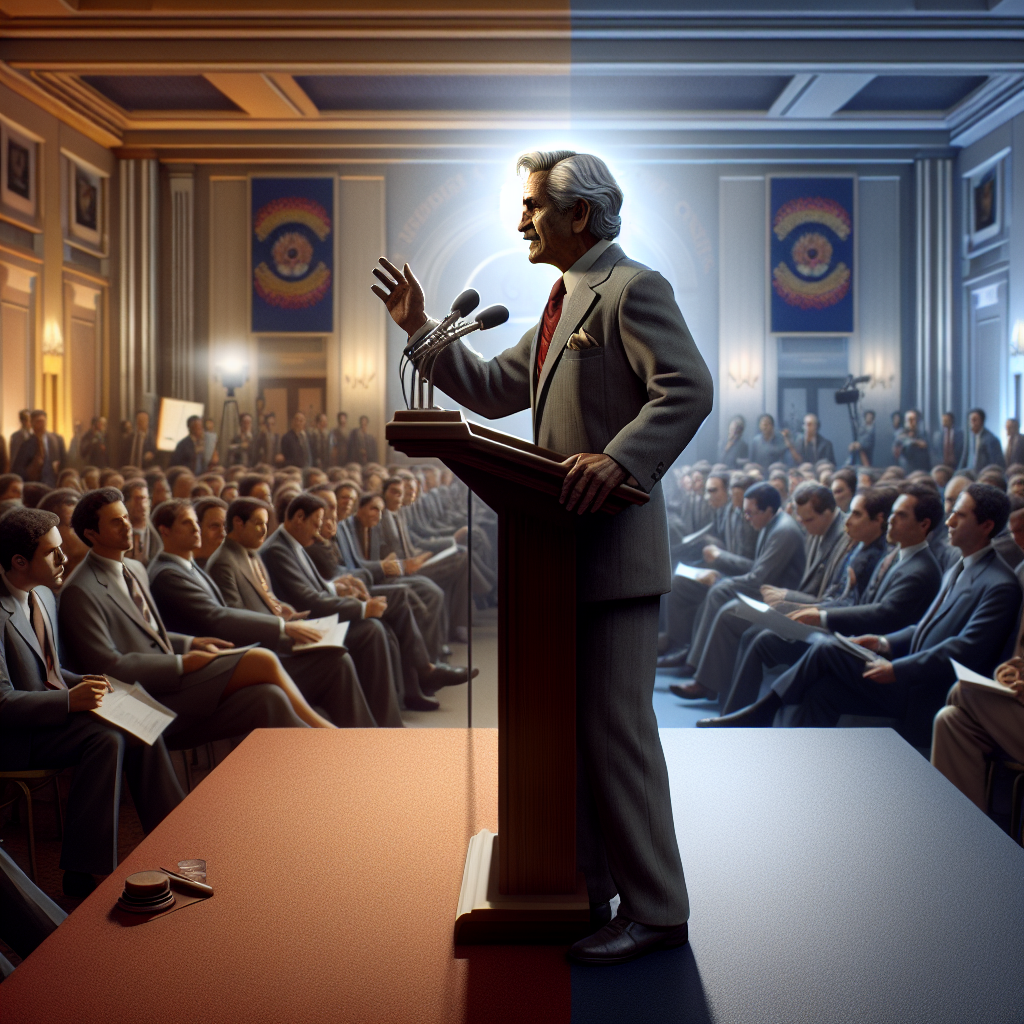
Senior advocate and Rajya Sabha member Kapil Sibal has launched a sharp critique of what he describes as unchecked investigative powers under the current administration, drawing a contrast with the governance model of the previous United Progressive Alliance (UPA) regime. According to remarks reported in “Free hand to ED: Kapil Sibal draws contrast between UPA, current govt” published by The Economic Times, Sibal alleged that central investigative agencies such as the Enforcement Directorate (ED) are being used selectively to target Opposition leaders.
Speaking amid ongoing national debate over the role and objectivity of federal investigative agencies, Sibal contended that during the tenure of the UPA, probe institutions operated under more institutional checks and did not pursue political vendettas. He suggested that in the contemporary political climate, however, the ED is being deployed freely and aggressively, particularly to intimidate voices critical of the ruling Bharatiya Janata Party (BJP).
Sibal’s comments are part of a broader conversation regarding the political independence of India’s law enforcement apparatus. Opposition parties have frequently accused the central government of leveraging agencies like the ED and the Central Bureau of Investigation (CBI) for political ends—often pointing to the surge in investigations launched against sitting Opposition leaders, particularly ahead of elections.
In his critique, Sibal cautioned against what he perceives as the erosion of democratic norms, arguing that the unrestrained use of power could ultimately weaken institutional integrity in the long term. He invoked his experience as a former Union Minister in the UPA cabinet to underscore the contrast between the two political eras, claiming that due process and legal scrutiny were given higher precedence during the earlier regime.
His statements also come against the backdrop of increasing legal and political friction between the government and Opposition leaders, many of whom have found themselves ensnared in high-profile investigations. The government, for its part, has consistently denied any political motivation in such cases, maintaining that agencies are acting independently and within the bounds of the law.
As political temperatures rise ahead of crucial state and national elections, Sibal’s critique is likely to resonate across opposition benches, heightening calls for reform in the oversight and functions of federal investigative bodies. His comments, however, are equally expected to draw rebuttals from ruling party leaders who view such criticisms as attempts to deflect accountability.
The debate underscores a pivotal tension within Indian polity: the equilibrium between empowering agencies to combat corruption and ensuring their impartial operation in a democratic framework. As this balance continues to be tested, observers note that trust in institutions—both judicial and investigative—may be at stake.