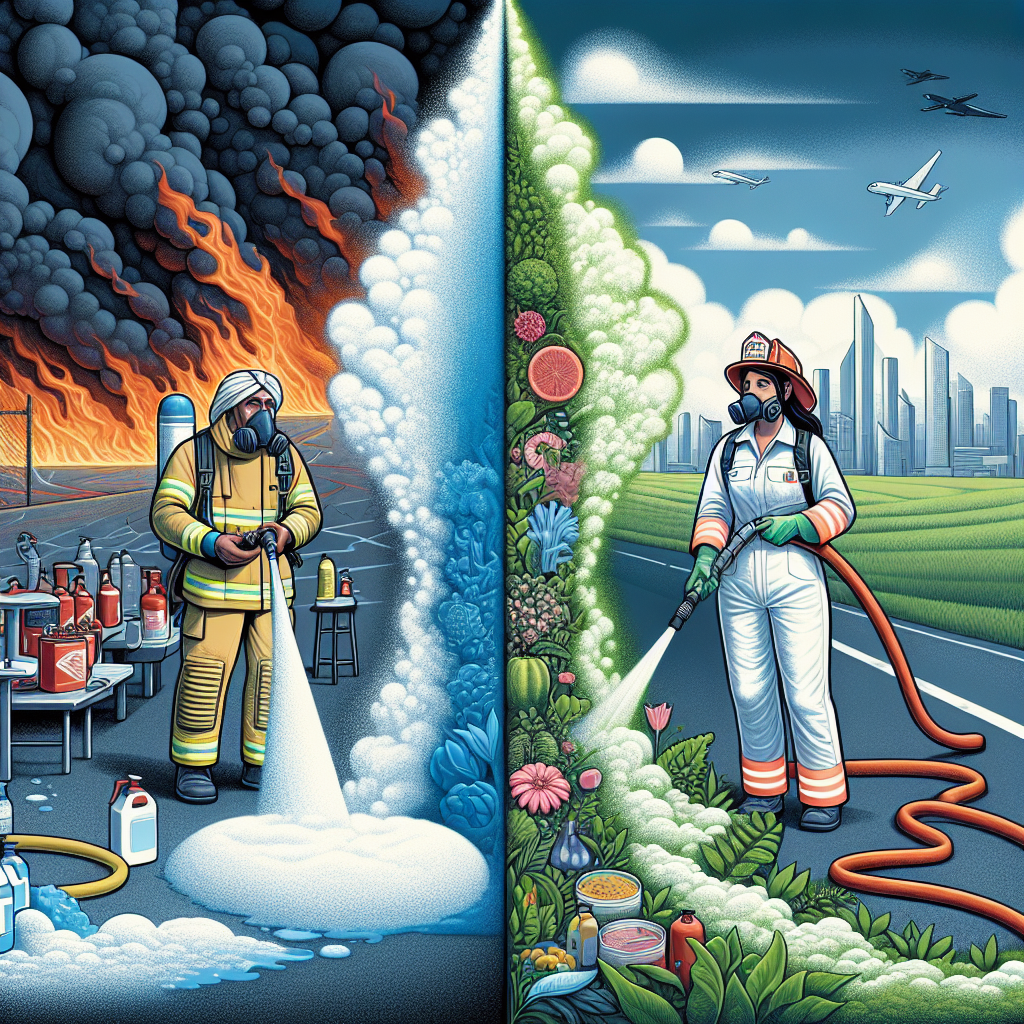
The urgent call by regulatory bodies and environmental agencies to tackle the pervasive issue of PFAS (per- and polyfluoroalkyl substances) contamination is witnessing transformative shifts in various industries, notably in fire suppression practices. As articulated in “The Industry’s Pivotal Shift: Taking the Lead on PFAS Elimination in Fire Suppression,” published by the Innovation News Network, significant strides are being made to eliminate these harmful chemicals, which have been commonly used in firefighting foam for decades.
PFAS are a group of synthetic chemicals notoriously known for their persistence in the environment and potential links to several health problems, including cancer, liver damage, and thyroid disease. Their resistance to degradation makes them a grave concern for ecosystems and human health alike. This resistance has led to widespread dissemination through soil, water, and living organisms, earning them the moniker of ‘forever chemicals.’
The traditional use of firefighting foams containing PFAS, specifically in combatting fuel fires at airports, military bases, and other industrial settings, has catalyzed extensive environmental contamination. Areas around sites such as military bases or firefighting training facilities are especially vulnerable to PFAS pollution, as highlighted in the aforementioned article.
Addressing this critical issue, an impressive industry transition is unfolding. Notably, companies are actively pursuing PFAS-free alternatives to replace traditional fire suppression foams. These innovative solutions not only promise effectiveness in extinguishing fires but also significantly reduce environmental and health hazards associated with PFAS. A vital aspect of these new developments is the concerted effort to ensure that the firefighting performance of the foams remains uncompromised while eliminating toxic impacts.
This move is largely in response to the increasing imposition of regulations at both national and international levels, compelling industries to adopt more environmentally friendly practices. The European Union, for example, has been proactive in its directives to phase out PFAS in firefighting foams, with similar regulatory actions taking shape in the United States and other parts of the world.
The transition, however, is not devoid of challenges. The shift to PFAS-free foams necessitates substantial adaptations in terms of research and development, production processes, and training for deployment. Moreover, the large-scale implementation and acceptance of these alternatives hinge on demonstrating their efficacy and safety through rigorous testing and approval from regulatory authorities.
As we steer towards a more sustainable future, the phased elimination of PFAS from firefighting foams serves as a pertinent example of how industry responses to environmental crises can lead to beneficial innovations. It underscores the pivotal role of proactive industry leadership and regulatory frameworks in addressing complex environmental health challenges. As this shift continues to unfold, it reflects a broader commitment to not just industry standards but also a safer, healthier planet.