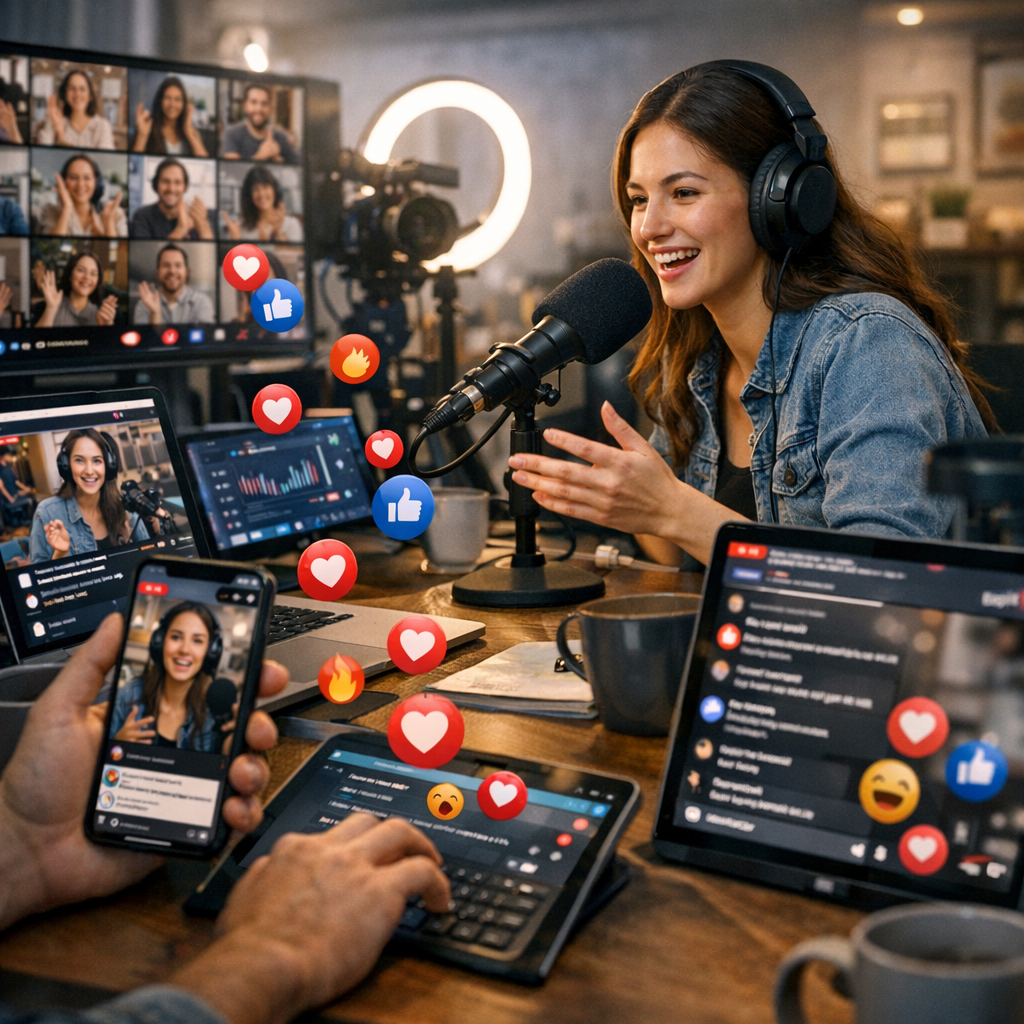
A growing body of research suggests that live online content is reshaping how audiences engage with digital media, offering a level of immediacy and authenticity that recorded formats struggle to match. According to an article titled “Online viewers prefer livestreams” published by TechXplore, viewers are increasingly drawn to real-time broadcasts, a shift that is influencing platforms, creators, and advertisers alike.
The TechXplore report highlights that livestreaming has moved beyond its early niche in gaming and event coverage to become a central feature across social media, e-commerce, and news distribution. Audiences are not only consuming live content in greater numbers, but they are also interacting with it more actively, using chats, reactions, and direct participation to shape the experience as it unfolds.
Researchers cited in the article point to a sense of authenticity as a key driver of this trend. Unlike pre-recorded videos, livestreams offer minimal editing and fewer opportunities for curation, which can make them feel more trustworthy to viewers. This perceived transparency can enhance audience loyalty and engagement, particularly in an era marked by growing skepticism toward heavily produced or manipulated content.
Another factor is the social dimension of live broadcasts. Viewers often experience livestreams collectively, even when physically apart, contributing to a shared atmosphere that mirrors live events. This communal aspect helps explain why livestreaming has become particularly prominent in areas such as gaming, fitness instruction, product launches, and influencer-led commerce.
The implications extend beyond entertainment. Businesses are increasingly investing in live formats to reach consumers directly, blending marketing with real-time interaction. News organizations, too, are experimenting with livestreaming as a way to deliver breaking developments while fostering audience participation, though this shift also raises questions about verification and editorial control in fast-moving environments.
Despite its rapid growth, livestreaming is not without challenges. The TechXplore article notes concerns about content moderation, misinformation, and the pressure on creators to maintain constant engagement. Real-time broadcasting leaves little room for correction, making errors or harmful material harder to manage once they are aired.
Even so, the momentum behind livestreaming appears strong. As platforms continue to refine tools for interaction and monetization, and as audiences prioritize immediacy and connection, live content is likely to remain a defining feature of the digital landscape.