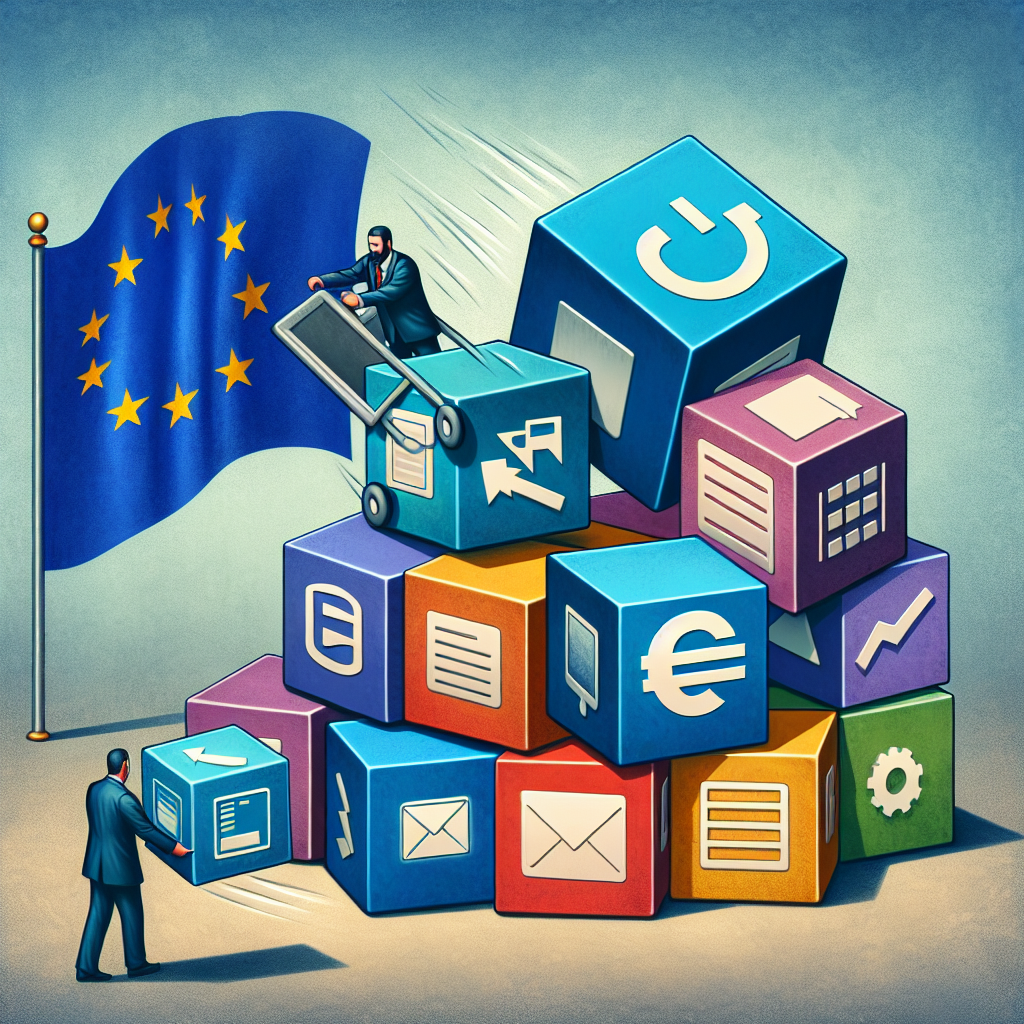
In a strategic move that may prevent significant fines by the European Union’s antitrust regulators, Microsoft has proposed to unbundle its Teams app from its Office suite, a maneuver aimed at addressing competition concerns. This decision surfaces amidst fears that integrated bundling could potentially stifle market competition by leveraging Microsoft’s dominant position in the office software sector.
The Redmond-based technology behemoth has been under the scrupulous watch of the European Commission, which in July 2022 initiated an investigation into Microsoft’s practices, particularly how the bundling of Teams with the Office suite could disadvantage competing video-calling apps. The investigation was prompted by a complaint from Slack Technologies, a rival in the business communication sphere, which alleged that Microsoft was unlawfully capitalizing on its market-dominant Office software to help Teams gain an unnatural advantage.
As per sources familiar with the matter, Microsoft’s concession involves providing computer makers the ability to install the Office suite without including the Teams app. This adjustment could allow greater flexibility for both hardware manufacturers and software consumers in choosing their preferred workplace communication tools without being ineluctably tethered to Microsoft’s ecosystem.
The European Commission, overseen by antitrust chief Margrethe Vestager, has been notably stringent with antitrust enforcement, particularly against tech giants like Microsoft. A successful negotiation around unbundling Teams could steer Microsoft clear from substantial penalties, potentially amounting to billions of dollars. Moreover, it could mark a proactive adaptive measure mititgating further regulatory scrutinies particularly as digital markets evolve rapidly.
While this adjustment represents a potential accomplishment for regulatory aspects of market competition, it reflects a broader industry trend wherein companies are increasingly compelled to ensure their practices align with principles of fair competition and consumer choice. Microsoft’s willingness to consider unbundling points to an acknowledgment of the complex interplay between large tech conglomerates and regulatory bodies, which are increasingly vigilant to the dynamics of technological integration and market power.
The outcome of Microsoft’s proposal has yet to unfold. How competitors and the market respond to this unbundling will be pivotal in evaluating the effectiveness of such regulatory measures. Additionally, Microsoft’s compliance can either smooth its business operations across Europe or, conversely, heighten regulatory encounters, ostensibly influencing its broader market strategy.
The ongoing review of Microsoft’s practices by the European Commission underscores the importance of continued vigilance and adaptability among tech behemoths. This scenario may also set a precedent for how similar competition concerns are addressed globally, influencing conglomerates and start-ups alike in the tech ecosystem.