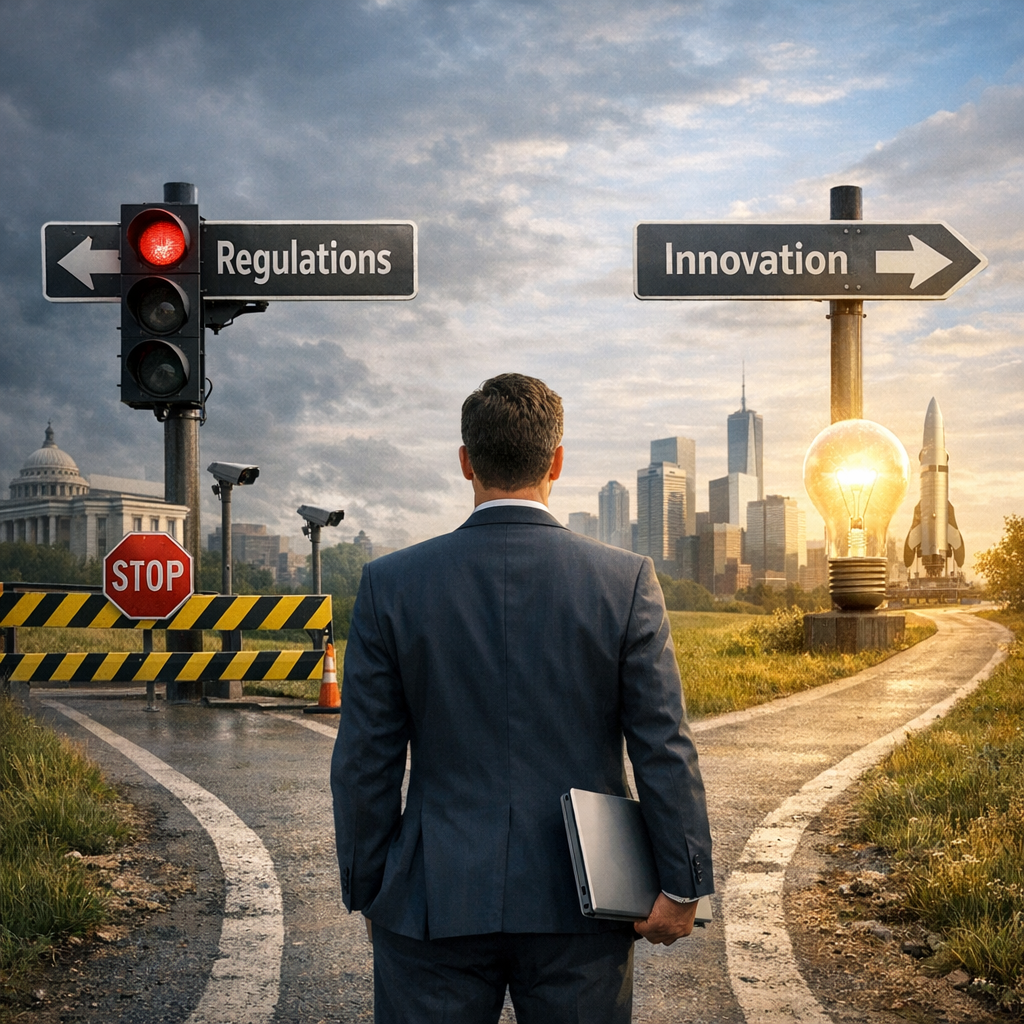
In a recent exposé by The Economic Times titled “Before Intel, which CEOs drew Trump’s ire?”, a stark illumination was cast on the contentious relationships that have historically existed between former U.S. President Donald Trump and various high-profile tech industry leaders. The narrative of clashes between Trump and the tech elites not only highlights individual confrontations but also signals deeper challenges in the crossroad of politics and technology governance.
One of the most focal points of Trump’s critique was directed at Jeff Bezos, the former CEO of Amazon and owner of The Washington Post. Trump often targeted Bezos over what he alleged to be anti-competitive practices by Amazon and accused The Washington Post of biased reporting. Under his administration, there were notable increases in scrutiny over Amazon’s tax structures and business practices, illustrating possible retaliations intertwined with political disfavor.
Another significant tech leader who faced Trump’s public disapproval was Apple’s CEO, Tim Cook. The tension here largely revolved around the production of Apple products overseas, primarily in China, which Trump argued undermined American jobs and tech innovation resilience. However, unlike the outright confrontations seen with other leaders, Cook maintained a more diplomatic approach, seeking to engage directly with Trump in discussions about trade and manufacturing, showcasing a strategic accommodation to presidential pressures.
Google’s Sundar Pichai also entered the fray, especially over accusations from Trump claiming that the search engine manipulated results to suppress conservative viewpoints — a claim steadfastly denied by Google. The issue peaked when Trump tweeted about potential legal and legislative actions against Google, reflecting a growing theme of tech giants being in the crosshairs of government oversight under his administration.
The Economic Times report serves as a reminder of the complex interplay between the U.S. government and the tech sector, especially under leadership styles like that of Trump’s, which often fused personal grievances with policy-making. Trump’s approach to dealing with tech companies swung unpredictably between adversarial and cooperative, largely dependent on how their business practices and media output aligned with his political agenda and public statements.
As the U.S. continues to navigate these tense waters between governmental policies and tech company autonomy, the historical context provided by such clashes under Trump’s administration offers critical insights. These confrontations have not only shaped public policy and business strategies but have also induced tech leaders to recalibrate their corporate strategies to hedge against political uncertainties.
Understanding these dynamics is crucial in appreciating how tech leaders today are navigating the complicated terrain of political engagement and public accountability, while aiming to protect their companies’ interests in a politically volatile environment.