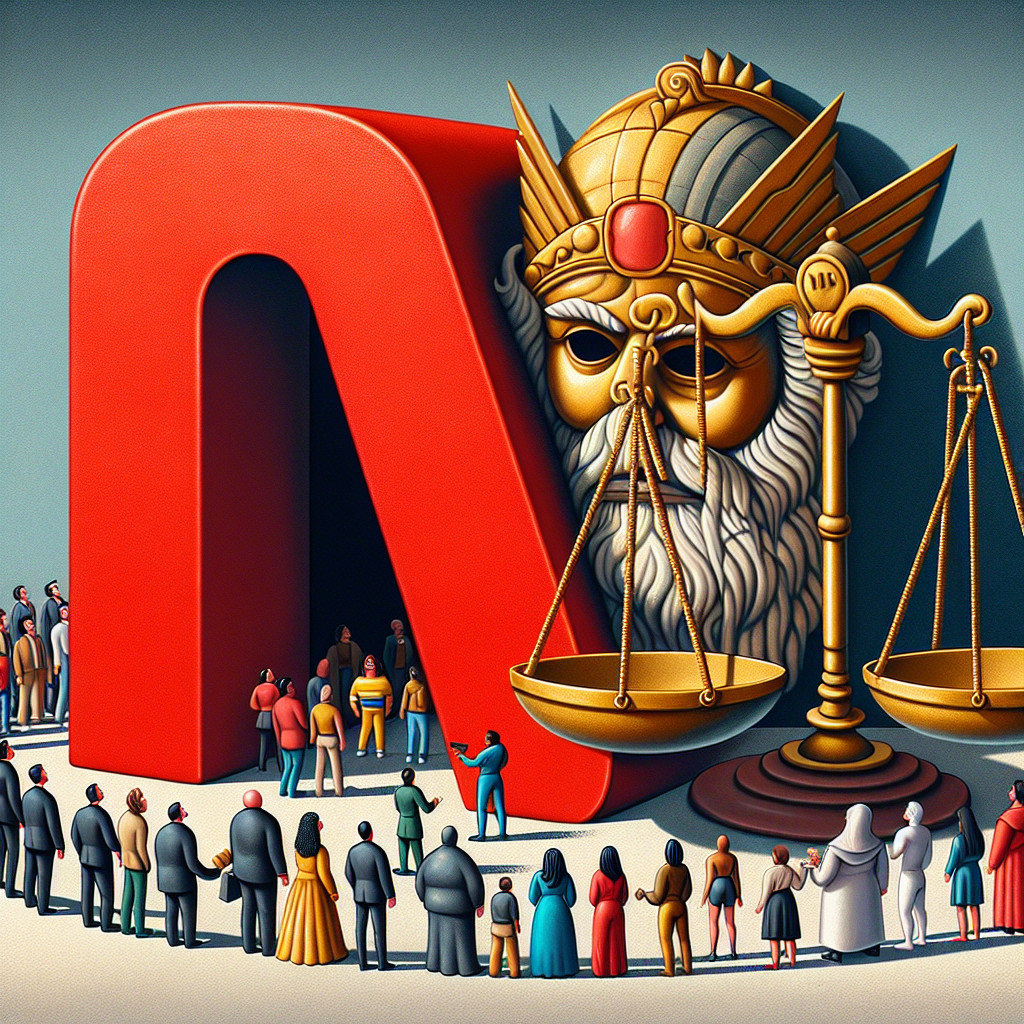
Streaming giant Netflix is under legal scrutiny following its high-profile acquisition of Warner Bros., with a consumer class action lawsuit now filed against the company. The lawsuit, which surfaced shortly after the $72 billion merger was finalized, alleges that the consolidation significantly reduced competition in the streaming market, driving up subscription prices and limiting content diversity for consumers.
As originally reported in the article titled “Netflix Faces Consumer Class Action Over $72 Billion Warner Bros. Deal” on StartupNews.fyi, the lawsuit was filed in a federal district court and seeks injunctive relief and potential monetary damages. The plaintiffs argue that the merger violates U.S. antitrust laws by creating a near-duopoly in the industry, with Netflix holding an unprecedented level of control over both the production and distribution of digital entertainment content.
According to court documents and sources familiar with the case, the group behind the class action includes individual Netflix subscribers and consumer advocacy organizations who claim that the company abused its dominant market position after the merger. Specific allegations include price increases within months of the acquisition, reduced licensing of third-party content, and a narrowing slate of original programming influenced by the newly acquired Warner Bros. portfolio.
The lawsuit may mark a pivotal moment for U.S. regulators and legal scholars watching the tech and media sectors’ trend toward consolidation. While acquisitions and mergers among entertainment companies have become more common over the past decade, the scale and impact of this particular deal—uniting Netflix’s digital infrastructure with Warner Bros.’ century-old content library—have renewed concerns about market concentration and consumer harm.
Netflix has not yet issued a formal response to the lawsuit, but legal experts anticipate a rigorous defense. Antitrust challenges in the technology and media industries often rest on complex interpretations of market dynamics, and the courts have historically set a high bar for proving direct consumer injury in entertainment pricing disputes.
However, scrutiny of the merger had already been building prior to the lawsuit. Several members of Congress publicly questioned the deal’s implications for media access and competition, though no legislative action was taken. The Department of Justice allowed the transaction to proceed after what it described as a “comprehensive review,” but critics now argue that the agency underestimated the transaction’s potential fallout.
While it may take months, or even years, for the lawsuit to proceed through the courts, the case represents a growing backlash against tech-media consolidation and could influence future merger reviews. For Netflix, a company that built its legacy on disrupting the traditional entertainment model, the legal outcome may not only affect its business but also set a legal precedent for the evolving streaming ecosystem.