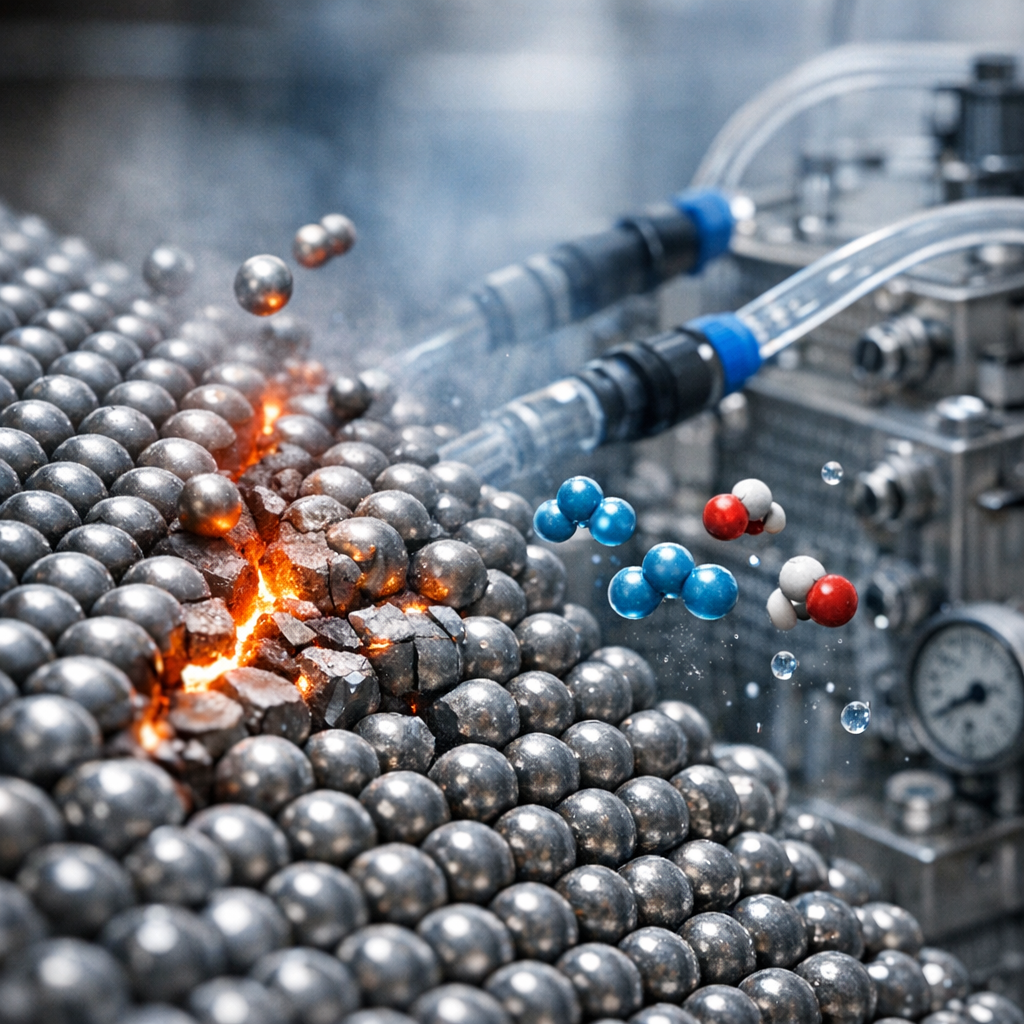
A new study highlighted by Tech Xplore in its article “Fuel cell barriers traced to platinum catalyst limitations” examines a persistent obstacle in the development of hydrogen fuel cells, pointing to fundamental inefficiencies in platinum-based catalysts that continue to hinder widespread adoption of the technology.
Hydrogen fuel cells have long been promoted as a promising clean energy solution, particularly for transportation and heavy industry, because they produce electricity with water as the primary byproduct. However, despite decades of research and incremental improvements, their commercial deployment has been slowed by high costs and inconsistent performance. The Tech Xplore report underscores how the reliance on platinum, a rare and expensive metal, remains central to both challenges.
Researchers involved in the study found that the microscopic behavior of platinum catalysts during fuel cell operation is more complex and less efficient than previously understood. While platinum is highly effective at driving the key electrochemical reactions inside fuel cells, the new findings suggest that its performance degrades under real-world operating conditions due to subtle structural and chemical changes at the atomic level. These changes can reduce catalytic activity over time, lowering energy efficiency and shortening the lifespan of fuel cells.
The article notes that the team used advanced imaging and analytical techniques to track how platinum surfaces evolve during repeated cycles of use. Their observations indicate that even minor shifts in the arrangement of atoms on the catalyst’s surface can have a disproportionate impact on how effectively the fuel cell converts hydrogen into electricity. This helps explain why improvements in laboratory conditions do not always translate into durable performance in commercial systems.
Cost remains a central concern. Platinum is not only expensive but also limited in supply, making it a bottleneck for scaling up fuel cell production. The findings reinforce the urgency of either reducing the amount of platinum required or identifying alternative materials that can deliver comparable performance without the same economic constraints.
The research also highlights the need for better engineering strategies to stabilize catalyst structures during operation. By addressing the mechanisms behind degradation, scientists hope to design fuel cells that maintain efficiency over longer periods, potentially making them more competitive with battery technologies and fossil fuel-based systems.
While the Tech Xplore article emphasizes that hydrogen fuel cells still hold considerable promise, it makes clear that overcoming catalyst-related barriers will be critical. The insights from this latest study represent a step toward understanding why progress has been slower than anticipated, and they may help guide future innovations aimed at making hydrogen a more practical component of the global energy mix.