A recent scientific study has found that humans may possess a previously underrecognized ability: detecting buried objects through subtle environmental cues, without the need for physical contact. The findings, reported in an article titled “Humans Can Detect Buried Objects Without Touching Them, Study Finds” and published on the technology news website StartupNews.fyi, could have significant implications for fields ranging from archaeology to search-and-rescue operations.
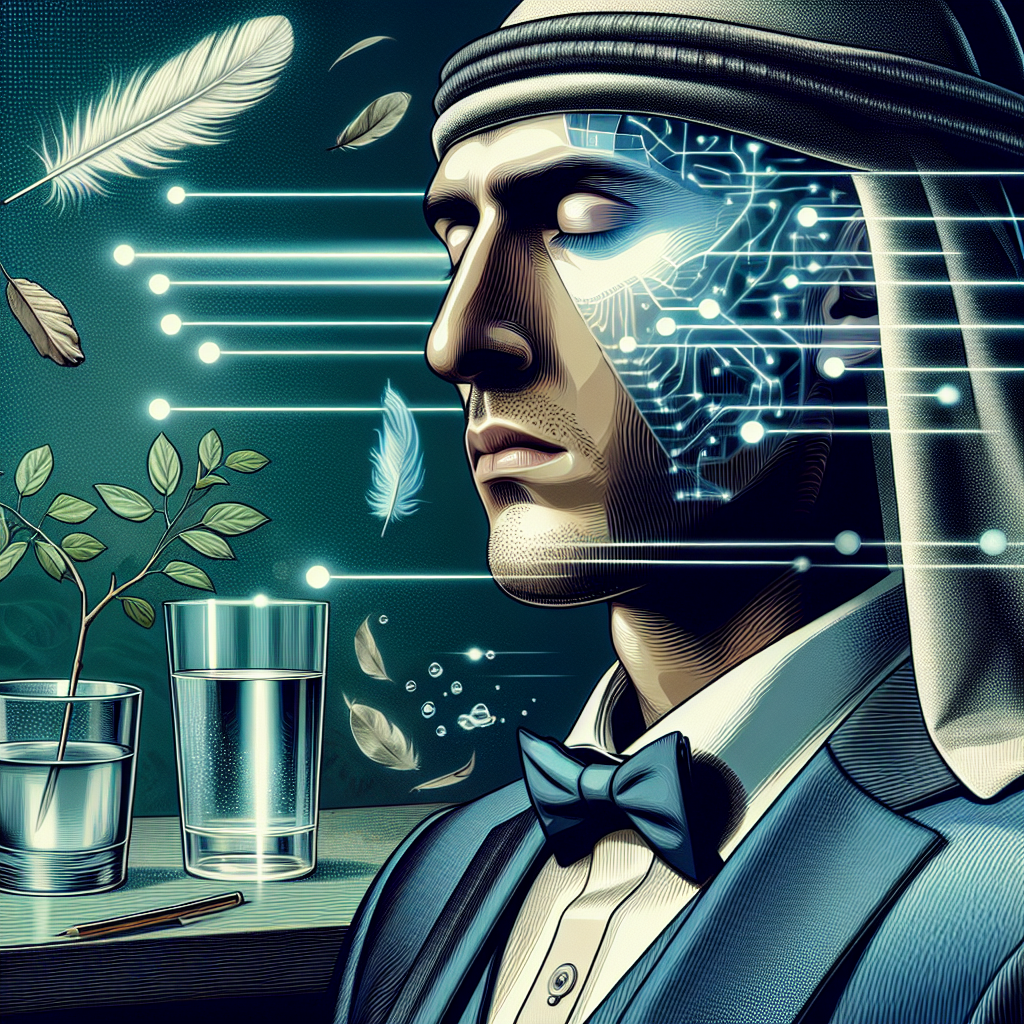
The research, led by an interdisciplinary team of neuroscientists and engineers, explored how humans can sense disturbances in the local environment that signal the presence of concealed items beneath the surface. Participants in the study were able to identify objects hidden under various materials including sand and soil, achieving accuracy rates that exceeded random chance. According to the researchers, this ability appears to tap into the brain’s capacity to interpret subtle patterns in feedback from the environment, such as resistance, air flow, or acoustic changes—feedback that is often disregarded in everyday perception.
While the precise mechanisms remain under investigation, the study points to the possibility that the brain integrates multisensory data—including faint auditory, visual, and tactile cues—in more sophisticated ways than previously understood. The implication is that human sensory perception can sometimes operate at a level that mimics technological detection tools, though with far less reliability and consistency.
The potential applications of this discovery are wide-ranging. In addition to enhancing our understanding of human cognition and perception, the study’s insights could inform the training of professionals in critical roles, such as disaster relief workers or military personnel, to better leverage these subconscious capabilities. There may also be opportunities to integrate the findings into the development of wearable technologies designed to amplify or interpret environmental stimuli that the human body naturally responds to but cannot fully perceive.
Despite the promise, researchers caution that more work is needed to validate the results and explore their limitations. Factors such as environmental conditions, individual differences in sensory processing, and the nature of the buried materials all appear to influence detection accuracy. Replication studies and larger-scale trials will be essential to determine how consistent and practical the phenomenon is across real-world scenarios.
Nonetheless, the findings represent a compelling entry in the growing field of cognitive enhancement and sensory augmentation. As the boundaries of human perception continue to be tested in both laboratory and applied settings, discoveries such as these challenge long-held assumptions about what the human mind and body are capable of perceiving—and how that knowledge might be expanded through science and technology.