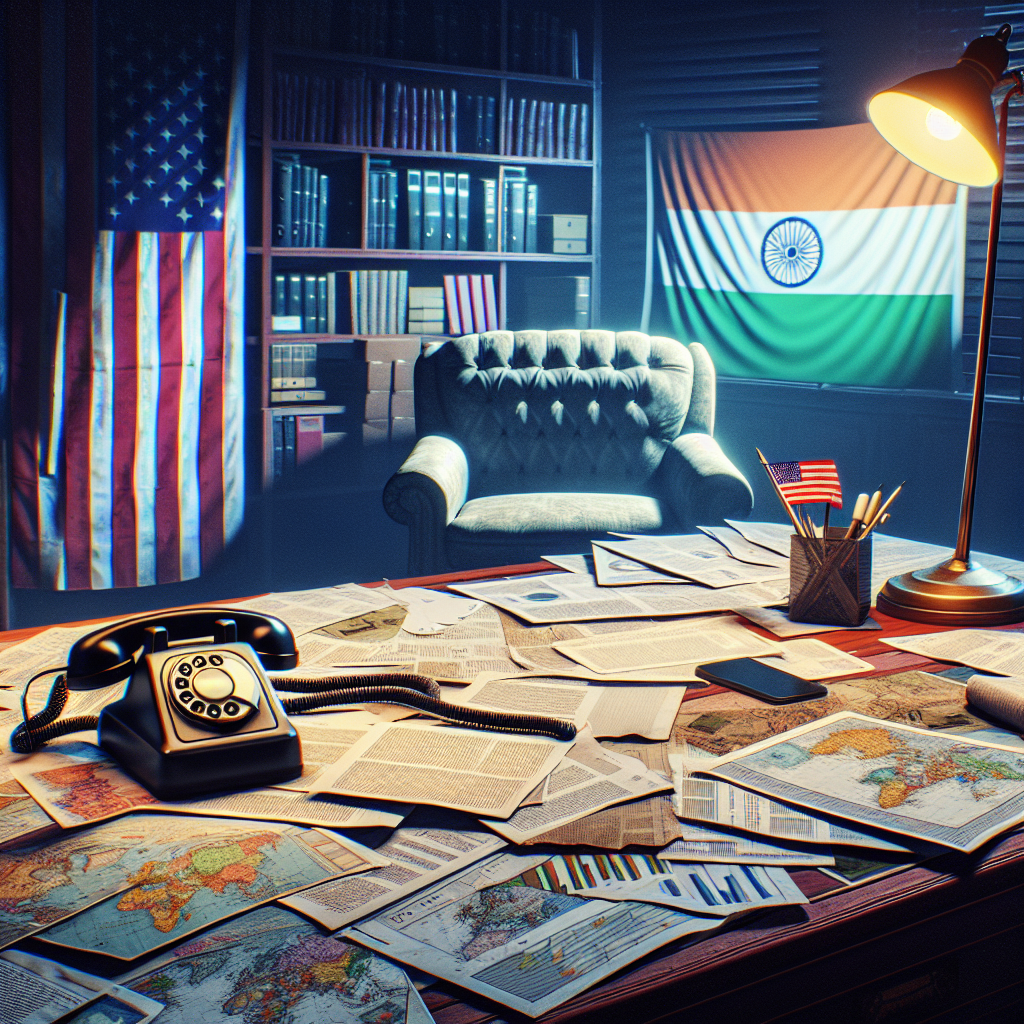
In a surprising revelation likely to raise eyebrows in diplomatic and trade circles, United States Commerce Secretary Wilbur Ross has claimed that high-level trade discussions between India and the U.S. were stalled in 2020 due to the absence of a personal phone call from Indian Prime Minister Narendra Modi to then-U.S. President Donald Trump. The assertion was reported in an article titled “India-US trade talks stalled because PM Modi did not call Trump, claims United States Commerce Secy,” published by The Economic Times.
Ross, who served as commerce secretary during the Trump administration, stated during a public interaction that the lack of direct outreach from Modi played a pivotal role in derailing what could have been a landmark trade agreement. He suggested that personal diplomacy, often a hallmark of the Trump era, was central to advancing deals, and that Modi’s failure to engage with Trump directly at a critical juncture contributed to the deadlock.
During their overlapping terms, both Modi and Trump publicly touted a strong personal rapport and made joint appearances at high-profile events such as “Howdy Modi” in Houston and the “Namaste Trump” rally in Ahmedabad. However, despite the optics, negotiations over a long-anticipated trade deal failed to reach the finish line amid disagreements on tariffs and market access across multiple sectors.
Ross’ comments offer a candid look behind the scenes, suggesting that personal diplomacy—not just policy negotiations—was considered crucial by the Trump White House in dealing with foreign counterparts. The former commerce secretary did not provide specific details regarding the timeline or context of the purported missed call, but his remarks imply that an informal detour in a traditionally institutional process may have played a role in the collapse of key negotiations.
Trade ties between India and the U.S. have traditionally been strong but often complicated by frictions over digital trade, agricultural goods, and medical devices. The Trump administration revoked India’s preferential trade status under the Generalized System of Preferences (GSP) in 2019, a move that irritated Indian officials and added strain to talks. Despite those tensions, both governments expressed optimism about resolving outstanding issues—until negotiations appeared to lose momentum.
Ross’ remarks indicate that the Trump administration may have expected world leaders to adapt to its unorthodox, personality-driven style of diplomacy. His claim also points to the fragile nature of international negotiations in an era driven not just by policy but by profile.
Officials from the Indian government have not publicly responded to Ross’ comments. However, the Biden administration appears to be steering trade relations with India back onto a more predictable course. Both governments have taken steps toward normalizing tariff structures and expanding bilateral digital and technology partnerships. Still, the episode sheds light on how non-traditional diplomatic expectations can sometimes interfere with complex policy outcomes.