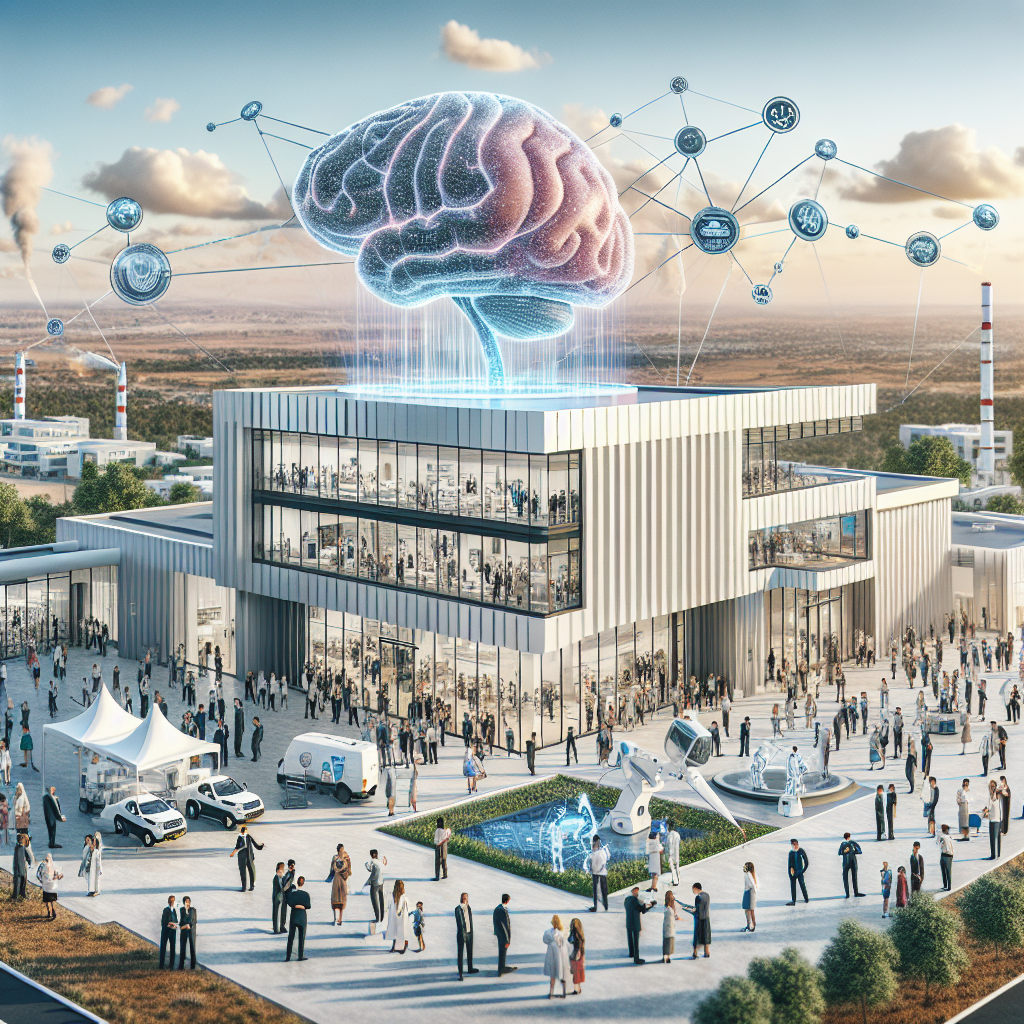
In a strategic expansion of its global expertise and technological prowess, Philips has officially inaugurated a new Artificial Intelligence (AI) research center in Israel. The center, positioned in the heart of Haifa’s tech district, is designed to harness Israel’s robust innovation ecosystem and enhance Philips’ health technology portfolio, as outlined in their ambitious AI-powered adaptive intelligence solutions.
This move underlines Philips’ recognition of Israel as a critical node in the global tech landscape, known notably for its vibrant startup scene and cutting-edge innovations in cybersecuirty, AI, and computer vision. The new center in Haifa will focus on developing AI technologies aimed at personalizing and improving patient care and healthcare efficiency.
The implementation of AI in healthcare aligns seamlessly with Philips’ overarching strategy to improve 2.5 billion lives per year by 2030—a robust ambition that aims to leverage technology to reduce costs, enhance health outcomes, and fortify patient and staff satisfaction. The AI center in Haifa will concentrate efforts on leveraging machine learning, deep learning, and computer vision to cultivate health technologies that adapt to the needs of patients and healthcare professionals dynamically.
Israel was chosen as the site for this advanced research facility due to its rich history of tech innovation and the government’s supportive stance towards technology-led healthcare solutions. Given the growing global demand for advanced healthcare technologies powered by AI, the Haifa center is poised to play a pivotal role in driving innovation.
This initiative reflects a broader global trend where major health tech companies are increasingly investing in AI to redefine various aspects of patient care and hospital management. From diagnostics and surgical assistance to personalized treatment plans and operational efficiency, AI’s implications are vast and transformative.
By situating one of its elite research centers in Israel, Philips not only taps into local talent but also embeds itself deeper within a network of innovation, benefiting from collaboration with academia, healthcare institutions, and other tech enterprises. The strategic location of the center also provides Philips with the advantage of proximity to technological advancements as they emerge in real-time.
Amidst a growing dialogue around the ethical implications of AI in healthcare, Philips asserts its commitment to developing AI solutions that uphold the highest standards of data security and ethical responsibility. The new center is part of Philips’ broader aim to lead in the conversation around responsible use of AI technologies in healthcare, ensuring that these advancements bring value to healthcare professionals and patients alike while addressing pivotal concerns about privacy and biases.
Experts predict that the impact of such AI-driven health technology centers will be profound, setting new benchmarks for what is possible in medical treatment and management, and reshaping the future landscape of global healthcare. Philips’ investment in its Haifa AI research hub illustrates a forward-thinking approach, positioning the company at the forefront of the next wave of health tech innovation.
By drawing on Israel’s powerful tech ecosystem and promoting synergies between technology and healthcare, Philips is looking to carve new paths in the enhancement of global healthcare services, reiterating the seminal role of AI in shaping future healthcare paradigms. With its eye firmly set on the horizon, Philips is steering toward a future where technology’s transformative power is harnessed to make healthcare more personalized, accessible, and efficient.