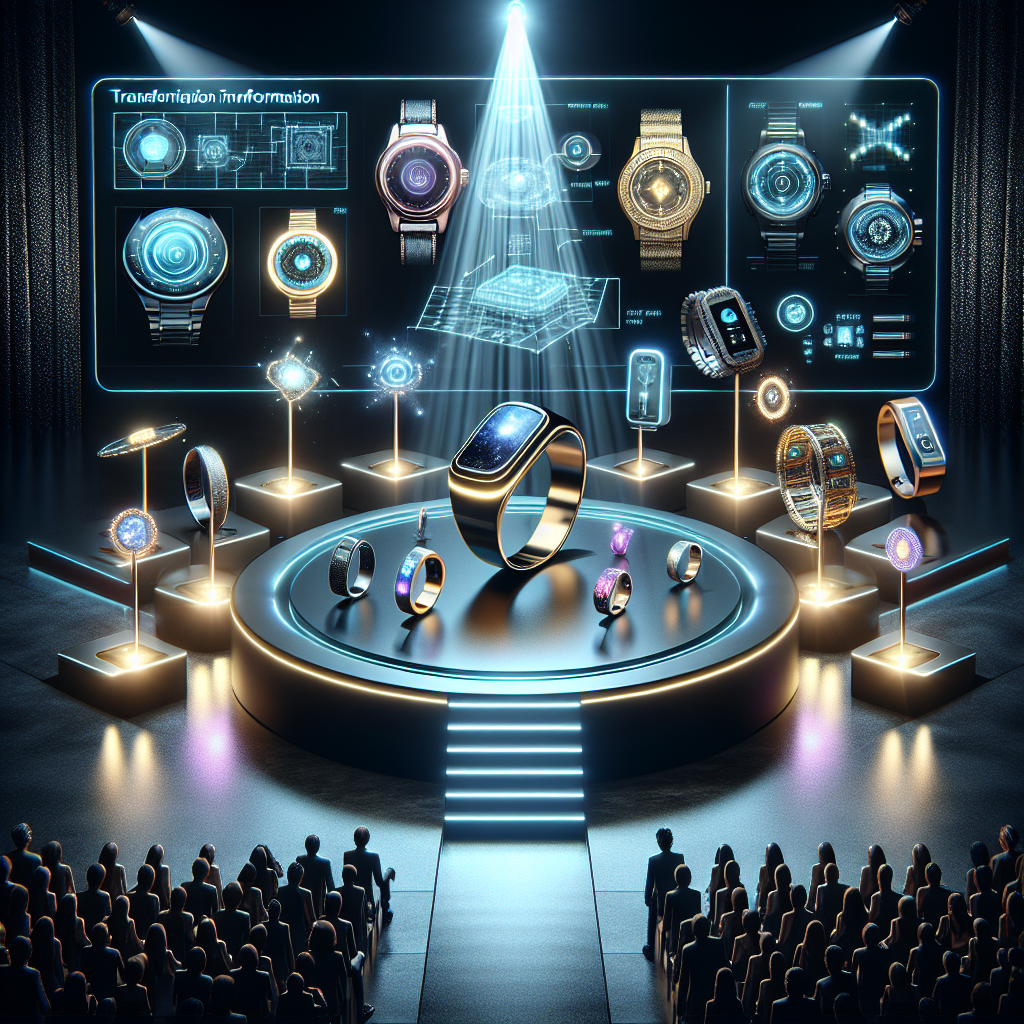
The once-niche market for smart rings is experiencing a surge in innovation and competitive intensity, signaling a new phase in the wearables industry. As detailed in the Wired article, “What’s Going On With Smart Rings?” published by Wired, companies like Oura, RingConn, and Ultrahuman are accelerating efforts to redefine how consumers track their health and wellness through compact, minimalist devices. While these rings remain far less common than fitness watches, their discrete form and increasingly sophisticated capabilities are attracting renewed attention from both tech insiders and mainstream users.
At the forefront is Oura, widely seen as the market incumbent. Its ring, which gained popularity for its sleep monitoring and readiness score, has enjoyed early-mover advantage. However, competitors are now stepping in with offerings that promise equal—if not superior—functionality and a more favorable pricing model. India-based startup Ultrahuman, for example, has introduced the Ring Air, which seeks to distinguish itself with a one-time purchase cost, eschewing the ongoing subscription model that has proved contentious for some Oura users.
RingConn, a Chinese entrant, is taking a similar approach. The company has underlined its commitment to affordability and user privacy, positioning its smart ring as a viable alternative for consumers wary of handing over recurring fees or excessive amounts of biometric data to tech firms. While its feature set is broadly comparable to that of its rivals—tracking heart rate, sleep, and activity—it underscores the increasing importance of ethical data handling and transparent pricing in the wearable tech space.
The wave of new entrants also coincides with a broader trend where consumers seek more subtle and less obtrusive ways to monitor their health. Unlike smartwatches, which can be bulky and overt, smart rings offer a discreet and fashionable solution for consistent biometric tracking. This minimalist appeal is being increasingly recognized as a key selling point, particularly among consumers interested in both functionality and aesthetics.
Still, significant challenges remain. Unlike watches, which have benefited from years of user education and app ecosystem development, smart rings are still carving out their narrative. Battery life, accuracy, and cross-platform compatibility are all hurdles that new entrants must overcome to gain meaningful market share. The ongoing question remains whether smart rings will serve as a complement to other wearables or eventually replace them in the eyes of consumers.
As highlighted in the Wired report, the sector is poised at an inflection point. With more companies entering the fray, and big players like Samsung reportedly developing their own smart ring devices, the competition is expected to intensify. The next two years may determine whether smart rings evolve from a niche device into a mainstay of personal health technology.
For now, this surge in innovation provides consumers with more choice and reinvigorates a corner of the wearables market that has long hovered at the fringes. The battleground, it seems, will be defined not just by hardware and algorithms, but also by how companies navigate pricing, privacy, and long-term user engagement.