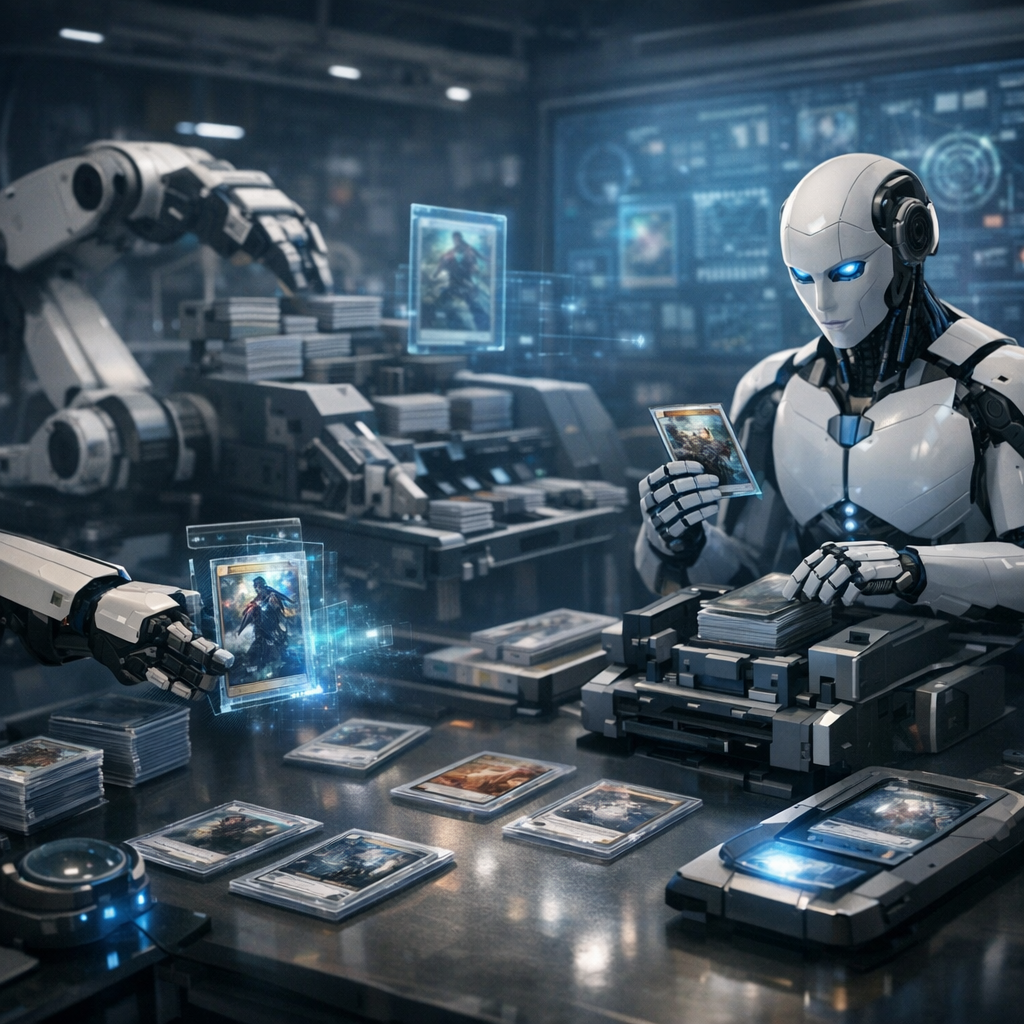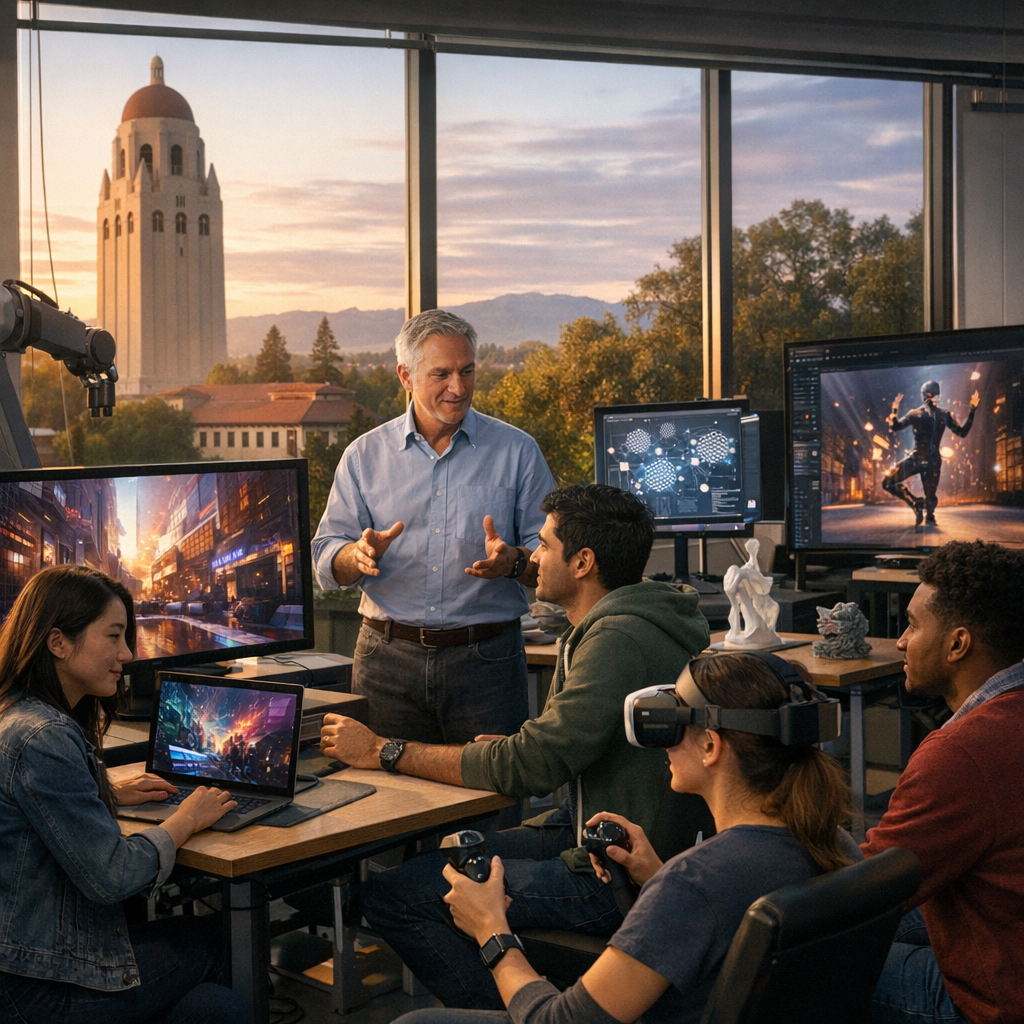
In a groundbreaking endeavor, scholars at Stanford University are delving into the potential of generative AI to act as more effective partners in creative processes. As documented in “Stanford scholars train generative AI to be better creative collaborators” on the Stanford HAI website, this initiative highlights the fusion of artificial intelligence with human creativity, aiming to enhance and redefine the boundaries of collaborative innovation.
The current exploration by Stanford scholars involves a nuanced approach to AI development, whereby generative AI systems are trained not just to produce work independently, but to participate actively and constructively in a creative partnership with humans. This initiative reflects a shift from viewing AI as mere tools towards perceiving them as collaborators that can contribute ideas and adapt to human input in real-time. By encouraging AI systems to understand and anticipate human creative preferences and nuances, these scholars are paving the way for a dynamic interplay between silicon and human intelligence.
Central to this research is the ambition to overcome some of the limitations that generative AI has faced in creative fields. While AI has demonstrated remarkable proficiency in generating content, it often lacks the nuanced understanding that human creativity demands. Addressing this challenge, the team at Stanford is working on training these systems to better grasp the context and subtleties involved in creative tasks. This involves teaching AI not just to generate content, but to refine, critique, and suggest alternatives that align more closely with human inclinations.
The implications of this research extend beyond enhancing individual creativity. By fostering a more effective collaborative process, the project holds promise for industries that rely heavily on creativity and innovation, including media, design, technology, and more. The potential for AI to act as a co-creative partner could lead to breakthroughs in these fields, helping professionals to push the boundaries of what is possible and to explore innovative concepts with newfound depth.
Moreover, the ethical considerations surrounding the integration of AI in creative processes are not lost on the researchers. As AI continues to evolve, ensuring that its role remains that of an enhancer rather than a replacer of human creativity is paramount. The Stanford team is acutely aware of the need to maintain ethical standards, ensuring that AI collaborations respect the integrity of human creativity and contribute positively to the cultural and social fabric.
In conclusion, the collaborative efforts at Stanford University underscore a pivotal moment in the development of AI technology. By training generative AI to become more attuned and insightful collaborators, scholars are not only expanding the utility and application of AI in creative domains but are also redefining what it means to work alongside artificial intelligence. This research represents a significant step towards a future where technology not only complements human effort but elevates it to unprecedented levels of creativity and innovation.