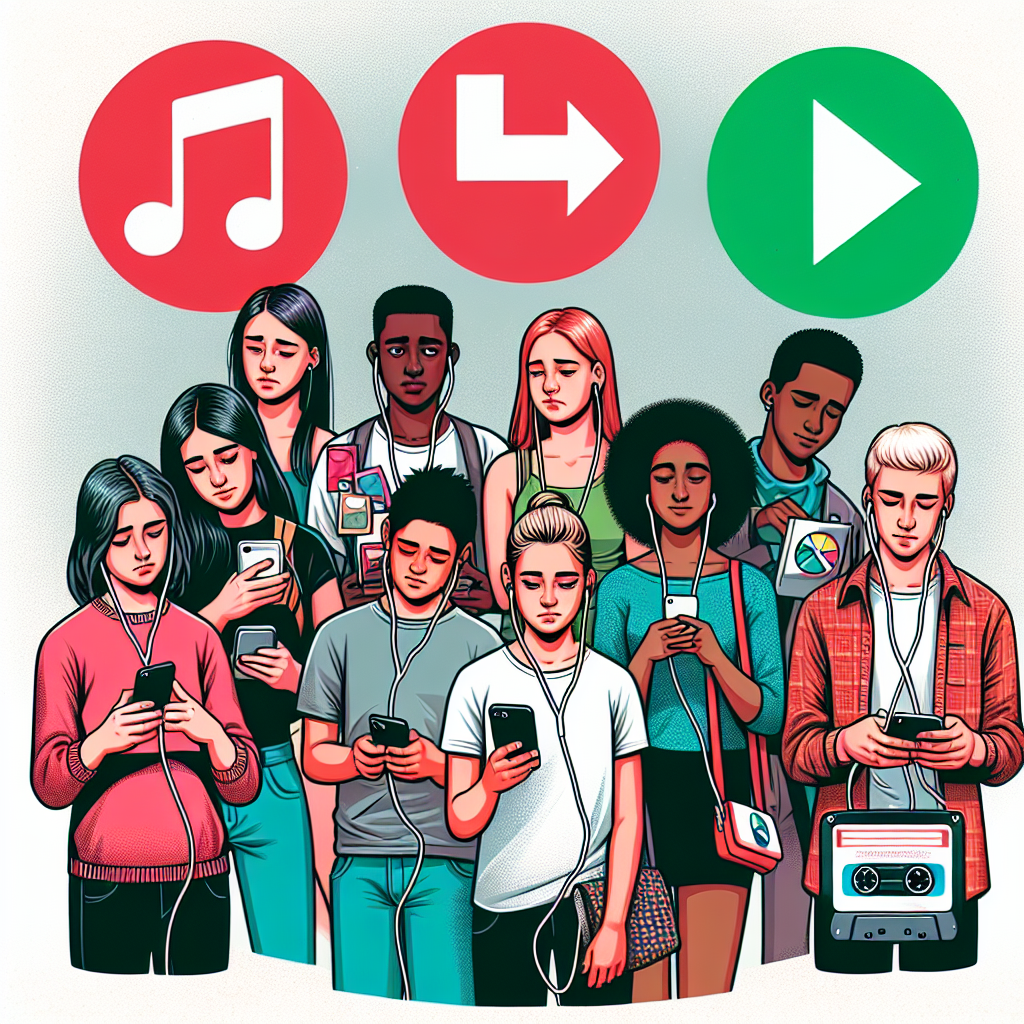
In a twist reminiscent of the early 2000s, a number of high schools across the United States have recently implemented bans on smartphones, only to witness a resurgence of what might be considered by some as retro technology. According to a report by Startup News FYI, titled “Their Schools Banned Phones, Out Came the iPods and Cassette Players,” students are reverting to older devices such as iPods, MP3 players, and even cassette players to listen to music and pass the time during breaks.
The prohibition of smartphones in schools is not a novel concept but is part of a broader initiative to reduce distractions, combat cyberbullying, and promote mental well-being among students. Educators have voiced concerns over the years that constant access to smartphones can lead to reduced attention spans, heightened anxiety, and disruption of the learning environment. As a result, several institutions are now insisting that phones be kept in lockers throughout the school day, with some even requiring them to be sealed in pouches that are only unlocked at the end of the day.
Despite these restrictions, students have quickly adapted by dusting off technologies that were once shelved in favor of smartphones. The resurgence of these devices highlights a loophole in the current policies, which specifically target smartphones but do not extend to other electronic devices. Young individuals, driven by the innate human desire for connectivity and entertainment, have thus turned to alternatives like the iPod, which cannot access social media or the internet but still offers music and video functionalities.
Notably, some students even embraced the aesthetic and nostalgic appeal of cassette players and other vintage technologies. This trend towards older technology is not just a workaround but has sparked discussions about the value of disconnection and the focused engagement that comes with devices serving fewer functions.
This situation has precipitated mixed reactions from educational authorities and parents. Some view it as a creative solution that maintains a focus on education while allowing for the personal expression of students through non-internet-based devices. Others, however, question whether the shift fully addresses the initial concerns regarding distraction and student well-being.
Critics argue that the presence of any electronic device can detract from the educational experience. Proponents counter that these older devices require more intention and interaction, thus potentially reducing passive screen time and promoting greater attention to physical and social surroundings.
As schools continue to navigate the complexities of technology use in educational settings, the unexpected return of devices like iPods and cassette players serves as a reminder of the ever-evolving relationship between technology and education. Such instances necessitate ongoing dialogue and adaptation in policies to suit the realities of the current technological landscape and the developmental needs of students. The challenge remains balancing these elements to foster environments that are conducive to both learning and personal development.