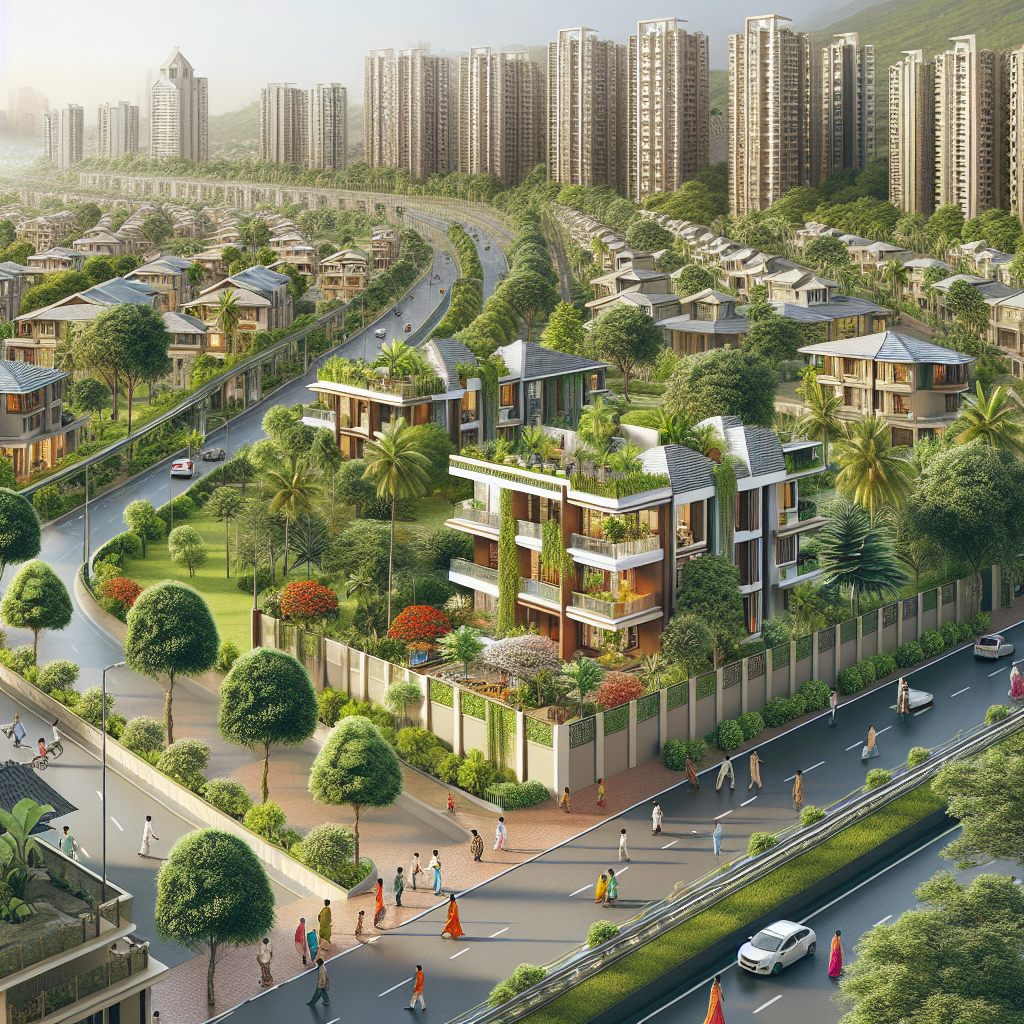
Suburban districts of Mumbai are rapidly becoming the city’s true housing epicenter, according to a recent analysis reported by StartupNews.fyi in an article titled “Suburban Mumbai Emerges as City’s Real Housing Centre, Palladian Partners Analysis Shows.” The study from Palladian Partners, a real estate consultancy, reveals significant demographic and economic shifts propelling the suburbs to the forefront of residential development in India’s financial capital.
The findings point to a decisive trend: while the city core remains densely populated and commercially vital, it is the extended suburbs—from Thane and Navi Mumbai to areas along the Western and Central railway corridors—that are witnessing a majority of new housing launches and buyer interest. Affordability, improved infrastructure, and heightened connectivity have turned these regions from secondary options into prime choices for both developers and homebuyers.
According to Palladian Partners, as central Mumbai grapples with escalating property prices and limited land availability, the suburbs increasingly offer the combination of scale, pricing flexibility, and relative ease of construction. In particular, large-scale infrastructure projects—such as the Mumbai Metro expansion, the Trans-Harbour Link, and recent road network upgrades—have substantially reduced travel time between peripheral areas and key city centers, creating a more integrated urban fabric.
The firm’s analysis also indicates a shift in buyer behavior. Where once proximity to workplace was paramount, the rise of hybrid work models and longer-term settlement planning are altering consumer priorities. Buyers are now seeking larger homes, better amenities, and long-term investment potential—all of which the suburbs are better positioned to provide.
The volume of residential launches in areas like Dombivli, Kalyan, and Panvel has reportedly doubled over the past two years, a trend reinforced by demand from the upper-middle class and first-time homeowners alike. Despite economic uncertainties and fluctuating interest rates, the appetite for suburban housing remains resilient, supported by a robust influx of private investment and responsive state policies on affordable housing.
While the transformation of Mumbai’s housing landscape is ongoing, experts suggest that the centrifugal momentum toward suburban zones is unlikely to reverse. As developers recalibrate their portfolios to align with these shifts and civic bodies continue investing in transport and utility infrastructure, the suburbs appear poised to redefine urban living in Mumbai for the foreseeable future.