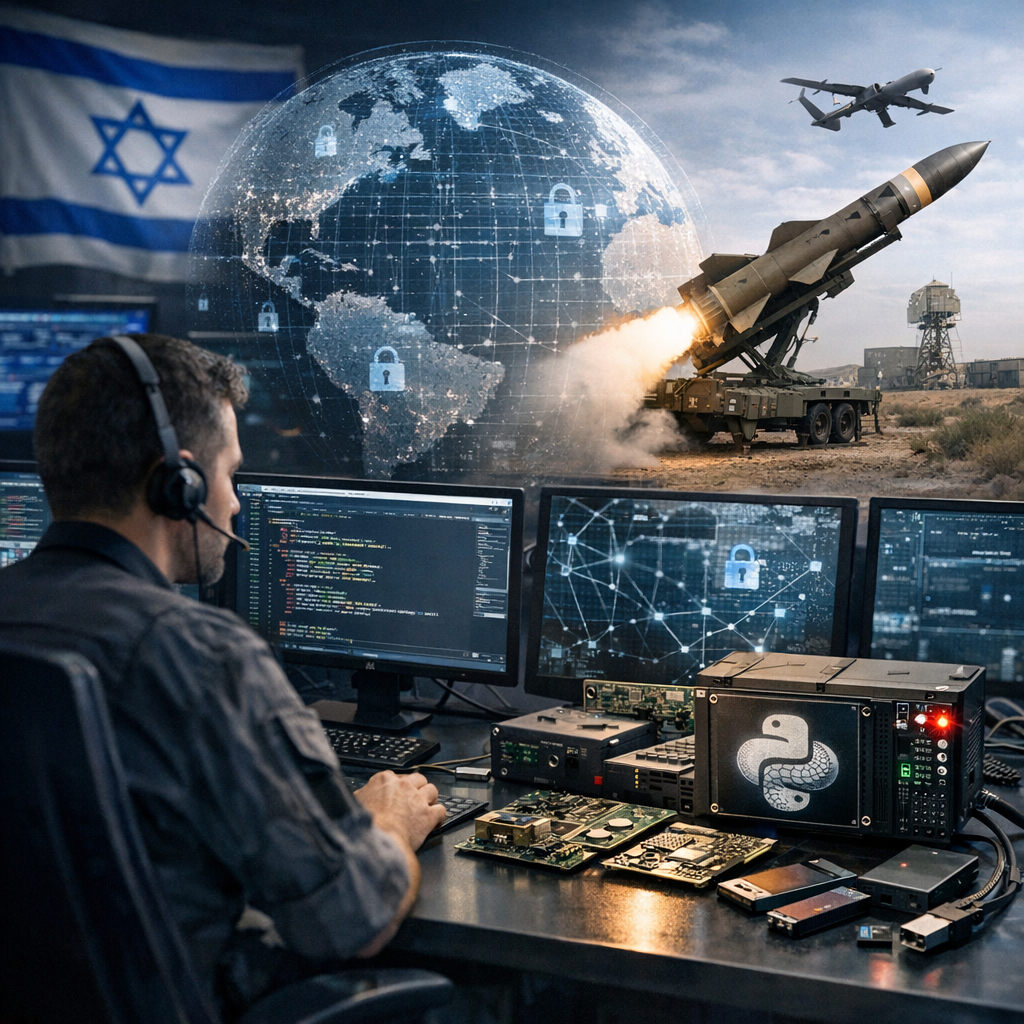
In a recent development that is causing waves across the Israeli tech sector, leading cybersecurity firm Sygnia has announced it will reduce its workforce by 40 employees. This decision marks a significant moment both for the firm and for the industry, as Sygnia has been known for its robust growth and for serving high-profile clients globally.
According to the report by the Israeli technology news website Calcalist, Sygnia, a subsidiary of Singapore’s Temasek Holdings since its acquisition in 2018, has established itself as a formidable presence in cybersecurity consulting and incident response. The company, originally founded by the Israeli cybersecurity think tank Team8, has been particularly active in providing services to Fortune 500 companies and other clients across various sectors.
The downsizing at Sygnia, which currently employs around 100 people, is a reflective measure aimed at optimizing their operations and enhancing their strategic focus. The decision comes at a time when the global tech industry is facing numerous challenges, including economic pressures exacerbated by a global downturn affecting technology investments and operational expansions.
Israel’s tech sector, often hailed as a startup nation, is not immune to these global trends. Recent months have seen a spate of layoffs within the sector, affecting both startups and established tech firms. These layoffs are a sobering reminder of the volatile nature of the tech industry, which often experiences rapid shifts in fortune and strategy depending on broader economic conditions.
The impact of such workforce reductions extends beyond the immediate effects on employees and their families, shaping the economic landscape and potentially influencing the trajectory of innovation and cybersecurity readiness globally. For Sygnia, renowned for its expertise in cyber-defense, the trimming of its workforce raises questions about the immediate strategies the firm will adopt in response to changing market dynamics.
Furthermore, this development is likely to influence how cybersecurity needs are managed by global enterprises, especially in an era where cyber threats are becoming more sophisticated. The downsizing could lead to a strategic pivot focusing on core competencies or perhaps a more boutique approach to service offerings targeted at the most critical areas of cyber risk for its clientele.
Analysts and industry observers will be closely monitoring Sygnia’s next moves, particularly how it manages client relationships and project deliveries in the immediate future. Likewise, its competitors will likely be keen on understanding how Sygnia’s restructuring might affect the competitive landscape, potentially signaling broader trends or shifts within the cybersecurity industry.
For now, Sygnia’s decision underscores a key theme within the tech sector: the necessity for continual adjustment and adaptation in a rapidly evolving market. Other firms within the tech sphere, particularly within Israel’s vibrant startup ecosystem, might glean insights from Sygnia’s approach to navigating economic adversity and market saturation.
As the global economy seeks stabilization in a post-pandemic era, the technology and cybersecurity sectors remain pivotal. How companies like Sygnia manage these turbulent times could well set precedents for operational and strategic frameworks moving forward in this critically important industry.