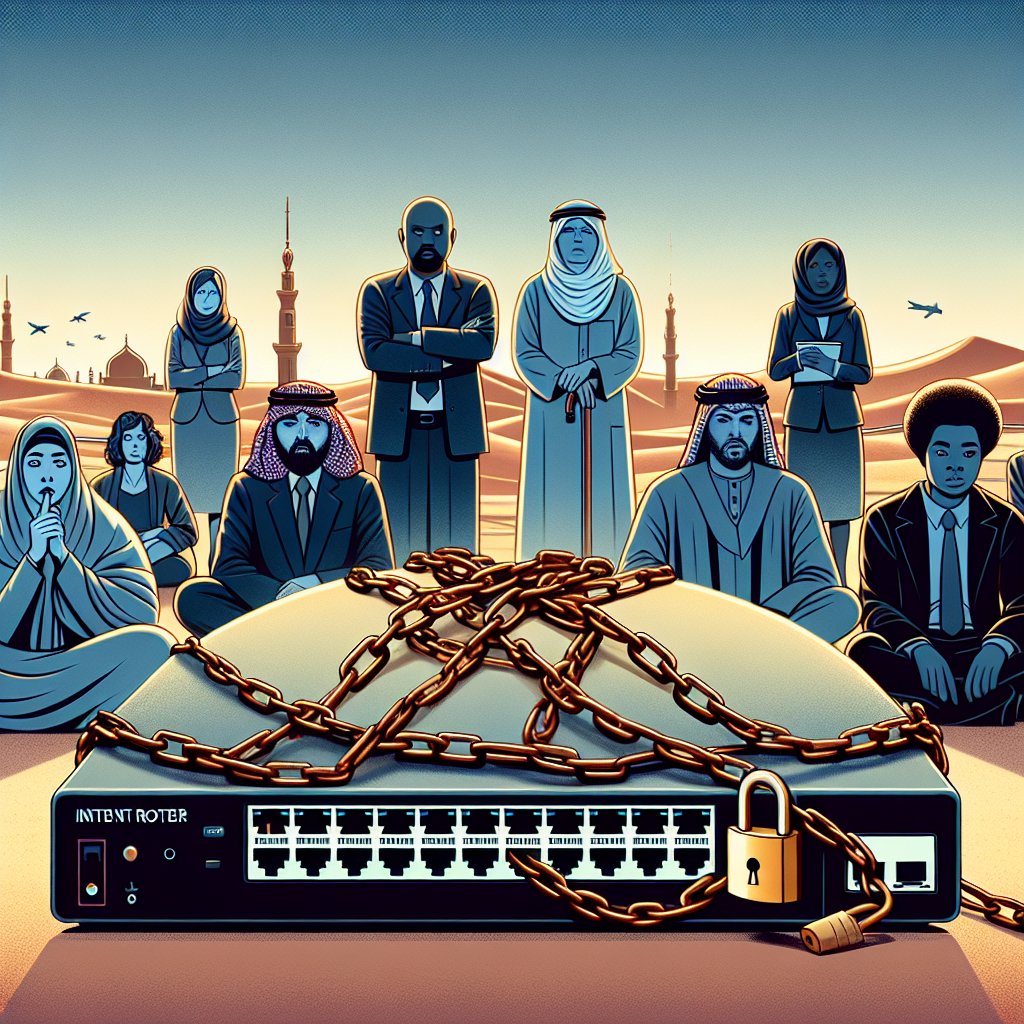
In a controversial move that has spurred international debate, the leader of the Taliban has recently imposed a ban on Wi-Fi services in an undisclosed province in Afghanistan, citing concerns over the potential for “immorality” facilitated by unchecked internet access. This decree, as reported by the online publication Startup News in their article titled “Taliban Leader Bans Wi-Fi in an Afghan Province to Prevent Immorality,” echoes the stringency of the Taliban’s governance methods since their reassertion of control in the country in August 2021.
According to local sources, the ban was declared in an effort to prevent the local populace, especially the youth, from accessing content deemed unethical or contrary to the ideological and religious standards promoted by the Taliban regime. The leadership asserts that such measures are necessary to safeguard the moral fabric of society which they believe is increasingly threatened by external influences permeating through digital channels.
Observers and experts on Afghan affairs note that this move aligns with the Taliban’s broader agenda of reinstating severe interpretations of Sharia law, under which various forms of entertainment and free access to information have been heavily restricted. It reflects an ongoing struggle between maintaining traditionalist control over a rapidly globalizing society that has had increased exposure to global norms and technologies.
The impact of the Wi-Fi ban extends beyond mere content control. This decision has significant implications for economic and educational pursuits in the region. Internet access is critical for modern business practices and the educational institutions that increasingly rely on digital resources, particularly in an era where the world is more digitally interconnected than ever.
Human rights organizations have voiced strong opposition to this decision, arguing that it infringes on the fundamental rights of access to information and freedom of expression. They highlight that such restrictive measures could further isolate Afghanistan at a time when integration with the global economy and international community could prove beneficial.
Moreover, this move poses logistical challenges in terms of enforcement and compliance, as local businesses and services that depend on internet connectivity grapple with the sudden need to dismantle infrastructures or face punitive actions by local Taliban enforcers.
The international community watches closely, as such developments may influence future diplomatic engagement strategies with Afghanistan. The balance between respecting national sovereignty and advocating for human rights remains a delicate dance on the global stage.
In conclusion, the Taliban’s recent Wi-Fi ban vividly encapsulates the ongoing tensions between traditionalist and modernizing forces within Afghanistan. The repercussions of this policy will likely resonate beyond the borders of the unnamed province, affecting broader socio-economic dynamics and potentially impacting the international posture toward Afghanistan’s new era under the Taliban’s reign.