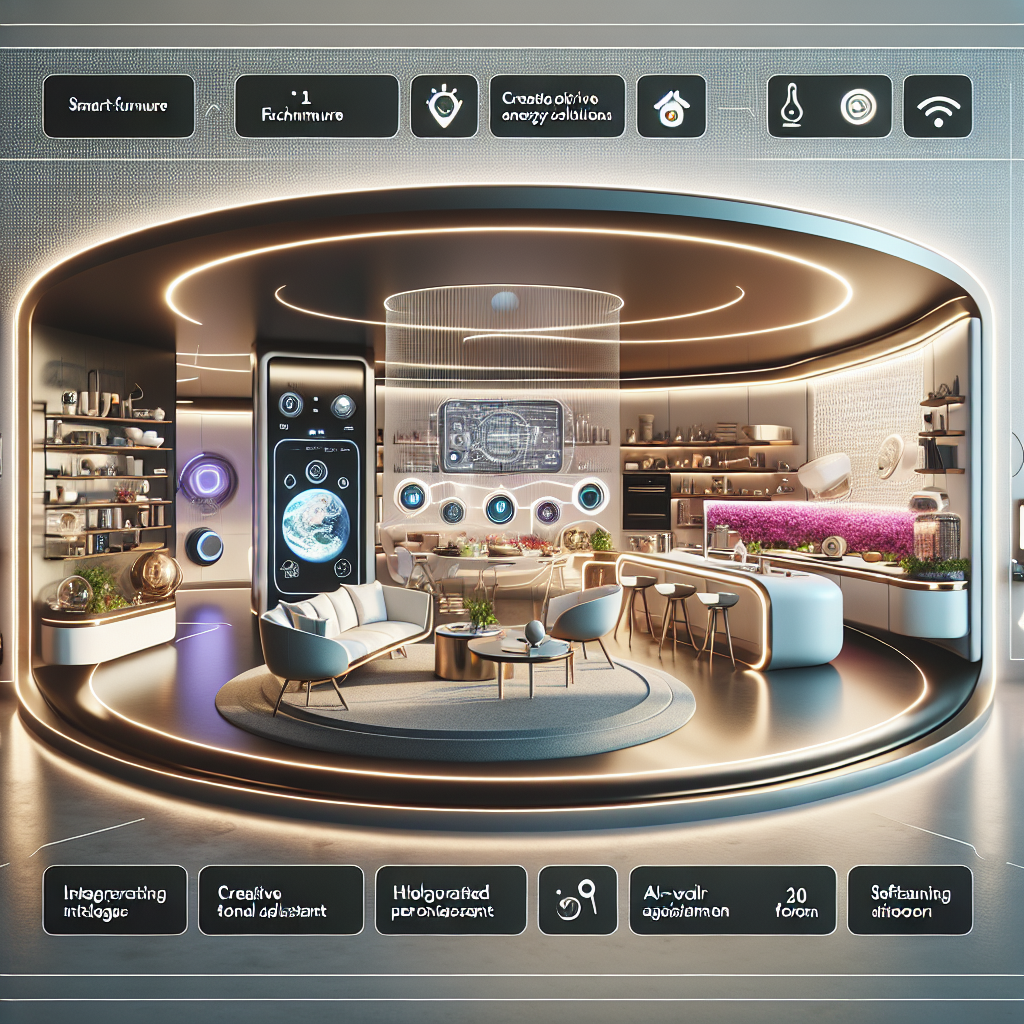
At this year’s Consumer Electronics Show in Las Vegas, the world’s leading technology firms unveiled a spectrum of innovations aimed at redefining how we work, communicate, and consume media. The event, long regarded as a barometer for the direction of the consumer technology industry, highlighted major advances in productivity tools, visual display technology, and home integration systems.
As detailed in the article “CES 2026: Productivity Gear, Wireless TVs and More” published by StartupNews.fyi, a clear emphasis this year was placed on seamless user experiences and workspace-enhancing technologies. Among the standout announcements were a range of sophisticated productivity devices designed with hybrid and remote professionals in mind. Companies showcased all-in-one workstations with integrated AI support, ergonomically adaptive designs, and intuitive interfaces meant to reduce friction between hardware and software environments.
One of the more striking developments was the continued evolution of wireless television technology. Several major manufacturers introduced screen models that use proprietary wireless transmission protocols for power and data, eliminating the need for traditional cables and port connections. These wireless displays, including ultra-thin OLED panels and rollable prototypes, hint at a future where displays can be mounted or even moved throughout a home or office without spatial or wiring constraints.
Other notable debuts included AI-enhanced wearables, smart desk accessories, and portable displays tailored for on-the-go professionals. Analysts at the conference observed a trend toward convergence—where productivity and entertainment tools are increasingly being designed to serve both domains without compromising either. For instance, high-fidelity audio solutions and immersive visual displays were paired with software suites optimized for both creative workflows and enterprise communication.
Startups also made a notable showing at CES 2026, many focusing on niche applications or refining existing technologies through AI integration. From intelligent styluses that learn a user’s writing habits to modular computing platforms that scale with demand, smaller firms demonstrated ambition in pushing the boundaries of consumer utility.
Despite a growing public debate about data privacy and AI ethics, CES 2026 made evident that functionality and convenience continue to dominate the consumer imagination. The underlying message from exhibitors appeared unified: future-ready tech must not only be smarter and faster, but also more adaptive to individual lifestyles.
As 2026 begins, the technologies presented at CES point to a deepening relationship between human users and machine intelligence. In an industry driven by iterative experimentation and consumer feedback, the next phase of tech innovation will likely hinge on how seamlessly these aspirational concepts can translate into everyday use.