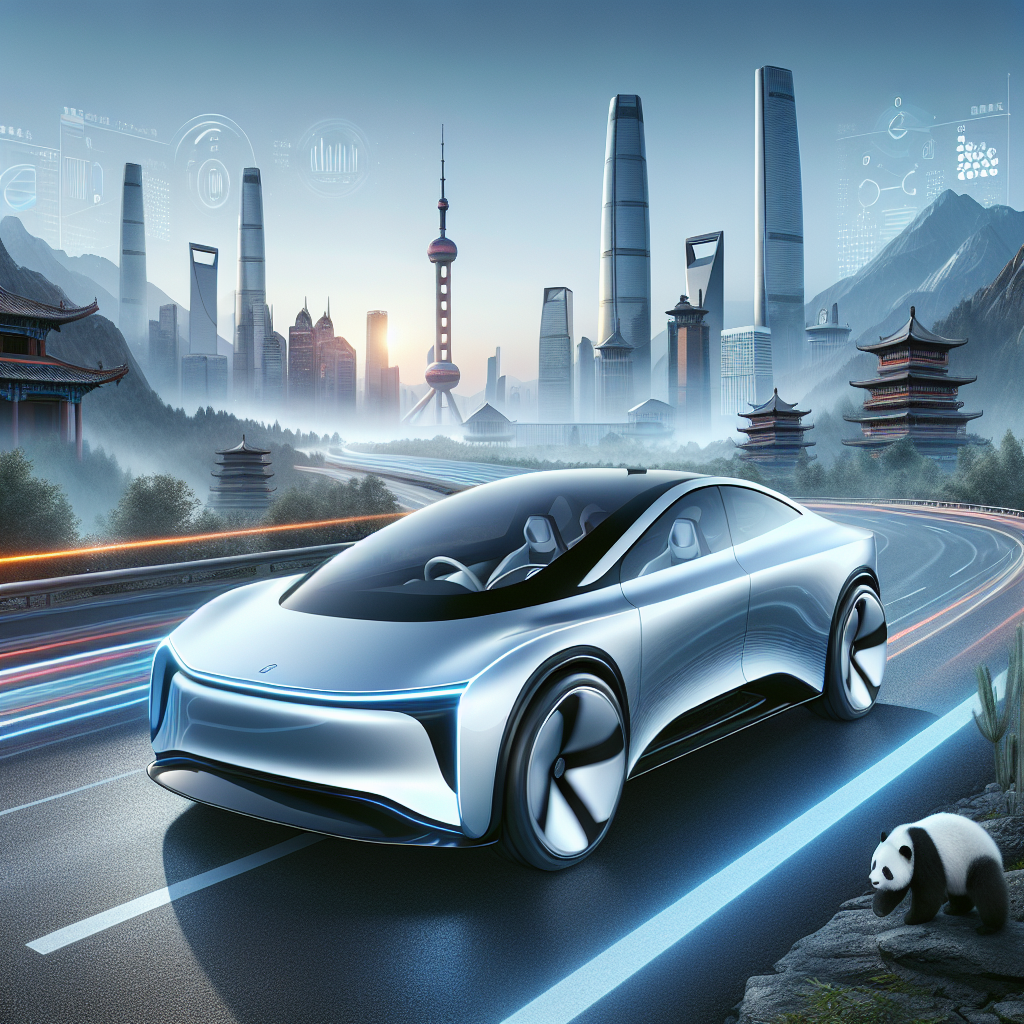
In an impressive breakthrough for electric vehicle technology, Tesla’s latest Model 3 has reportedly exceeded an 800-kilometer range on a single charge, according to an article titled “Tesla Model 3 Breaks 800km Range Barrier in China with New Upgrades” published by Startup News. This achievement not only marks a significant milestone in the EV market, particularly within the increasingly competitive Chinese sector, but also highlights major advancements in battery efficiency and vehicle design.
The extended range is primarily due to two key enhancements. First, Tesla has employed a new type of battery chemistry that boosts energy density without compromising safety or longevity. Second, a series of aerodynamic improvements to the vehicle have reduced drag substantially, further extending the car’s driving range. These modifications demonstrate Tesla’s ongoing commitment to innovation amid a global push towards sustainable transportation solutions.
Tesla’s achievement is particularly noteworthy given the context of the electric vehicle market in China, where the government has implemented ambitious policies aimed at reducing carbon emissions. These include substantial subsidies for electric vehicle manufacturers and stricter emissions regulations for conventional petrol and diesel cars. Tesla’s new achievement with the Model 3 could therefore grant it a significant competitive edge in appealing to a market that is both large and environmentally conscious.
Experts believe this development could encourage broader adoption of electric vehicles, particularly if Tesla’s innovations prompt other manufacturers to accelerate their own technological advancements in battery performance and vehicle efficiency. The implications go far beyond passenger cars, potentially impacting public transportation and freight sectors as electric technologies prove capable of meeting diverse transportation needs.
However, challenges remain. The cost of implementing new technologies could affect pricing strategies and consumer accessibility. Moreover, the infrastructure for charging such high-capacity batteries efficiently needs to keep pace with vehicle technology, requiring substantial investments.
In conclusion, Tesla’s latest update to the Model 3 not only pushes the envelope in electric vehicle range but also emphasizes the critical blend of governmental support and industrial innovation necessary to advance sustainable mobility solutions on a global scale. As the technology matures and scales, the pivotal challenge will be balancing advancement with accessibility and infrastructure development, ensuring a sustainable shift towards electric mobility.