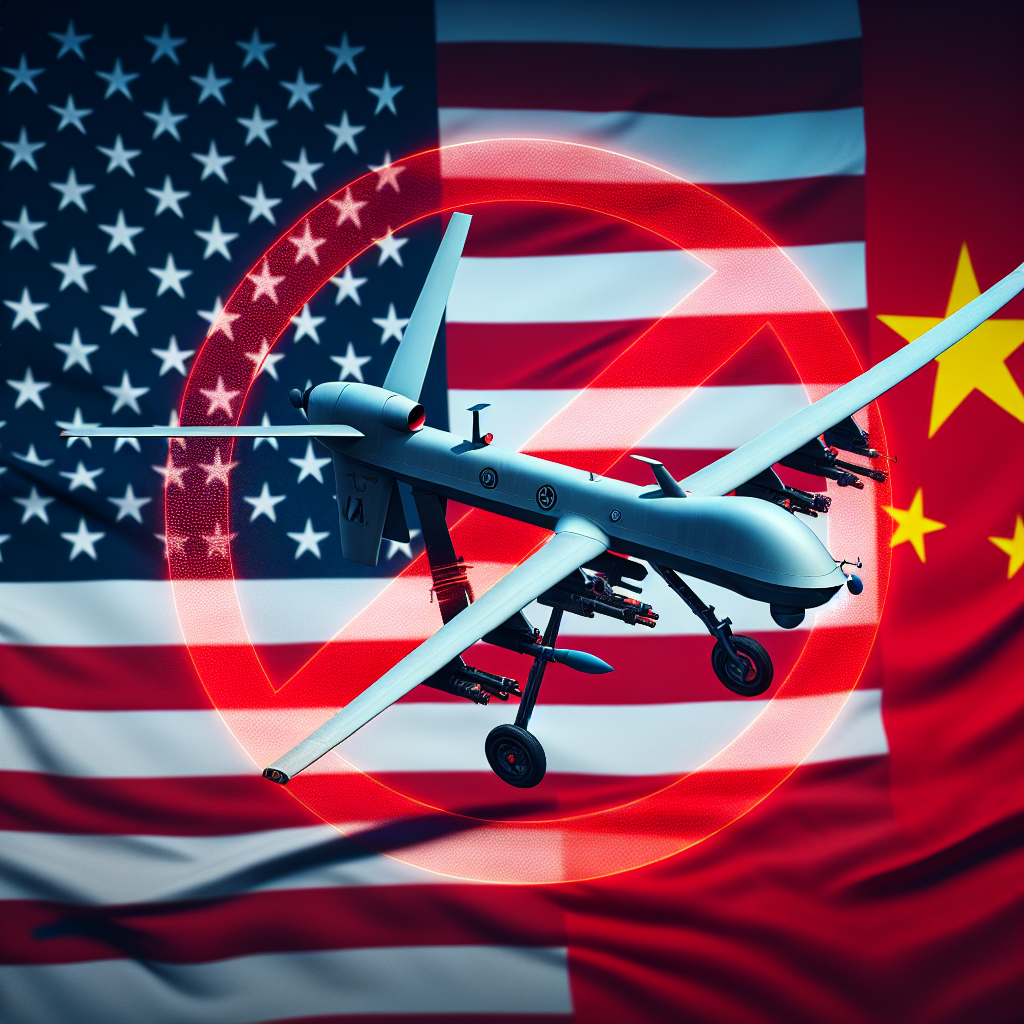
The U.S. government is weighing a potential ban on Chinese-made drones used by law enforcement agencies, a move that could significantly alter the landscape of public safety operations across the country. The proposed action, described in the article “The U.S. Could Ban Chinese-Made Drones Used by Police Departments” published by Startup News FYI, is driven by growing concerns over national security and data privacy risks tied to foreign-manufactured surveillance technology.
At the core of the debate is the widespread use of drones produced by China-based manufacturers, particularly DJI, which has become the dominant supplier of unmanned aerial vehicles (UAVs) to U.S. police departments. These drones assist law enforcement in a range of tasks, from search and rescue operations to crowd monitoring and crime scene analysis. Their affordability and advanced features have made them essential tools for resource-constrained agencies nationwide.
However, federal authorities have increasingly expressed alarm that such devices might serve as conduits for sensitive data to be accessed by foreign adversaries. The FBI, Department of Homeland Security, and other agencies have previously issued warnings that drones operating with proprietary software from adversarial nations could be exploited for espionage or surveillance, a concern compounded by what some officials call insufficient transparency from drone manufacturers about how collected data is stored and transmitted.
Lawmakers are now pushing legislation to impose restrictions or a complete ban on government use of drones made by countries deemed to pose a security threat. Proponents of the move argue that continuing reliance on foreign-made drones jeopardizes critical infrastructure and undermines national security at a time of escalating geopolitical tension. They also point to the need for the U.S. to bolster domestic drone manufacturing and reclaim technological leadership in the sector.
On the other side of the debate, local law enforcement officials warn that an abrupt ban could disrupt public safety efforts. Many departments lack the funding to quickly replace existing fleets with more expensive, American-made alternatives. Additionally, concerns remain over the readiness and scalability of domestic drone suppliers to meet increased demand without compromising capabilities or raising costs.
Congress has yet to finalize legislation, but bipartisan support for tighter restrictions appears to be growing. Should a ban be enacted, it would represent one of the most sweeping efforts to date to decouple U.S. public sector technology from Chinese supply chains—particularly in areas involving surveillance, data collection, and artificial intelligence.
As federal and state lawmakers continue to assess the risks and logistical challenges of such a ban, police departments around the country are bracing for potential operational and financial impacts. The issue has underscored broader tensions between the drive for national security and the practical needs of public safety on the ground.
In the meantime, some agencies are already exploring alternatives, including partnerships with emerging U.S. drone manufacturers and pilot programs designed to test domestically-sourced replacements. The outcome of these deliberations may shape not only the future of law enforcement technologies but also the broader contours of America’s technology policy in an era of strategic rivalry.