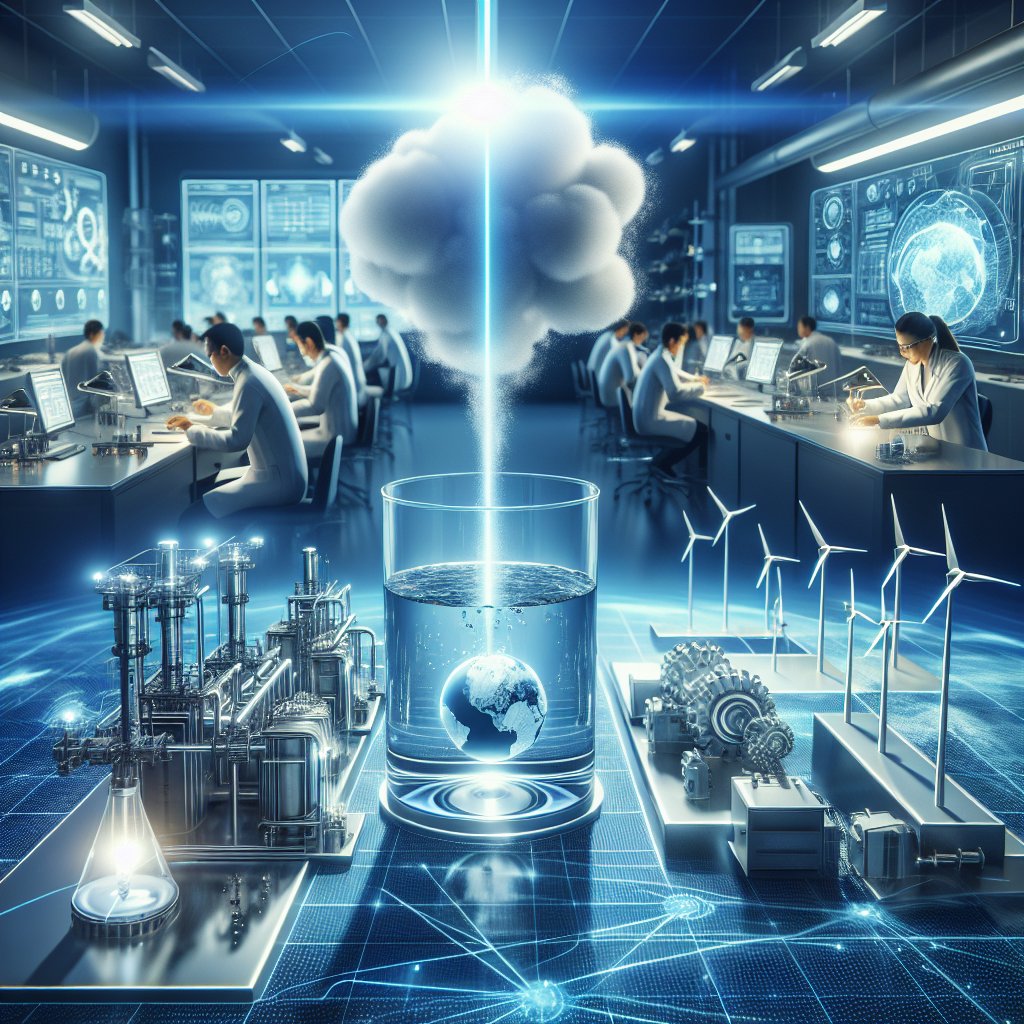
In a groundbreaking development in the energy sector, scientists at the Weizmann Institute of Science have successfully demonstrated a method for extracting hydrogen from water using ultra-fast lasers, a more efficient and potentially revolutionary approach compared to traditional methods. This innovation could significantly impact clean energy strategies and address urgent global needs for sustainable and green energy sources.
The core of this pioneering research revolves around the use of lasers to break the molecular bonds of water (H2O), thereby releasing hydrogen. Traditionally, hydrogen production has primarily relied on natural gas reforming or electrolysis, both of which have limitations such as high energy consumption and reliance on fossil fuels. The new technique, as detailed by the Weizmann Institute researchers, leverages the unique properties of ultra-fast laser pulses to excite the water molecules at an extremely rapid rate, subsequently facilitating a more efficient split into hydrogen and oxygen.
This discovery not only points to a more energy-efficient way of producing hydrogen but also aligns with the global push towards decarbonization of the energy supply. Hydrogen is seen as a pivotal element in the transition to clean energy, particularly noted for its potential to replace fossil fuels in various applications including transportation, heating, and high-temperature industrial processes.
Industry experts predict that laser-driven hydrogen production could reshape energy strategies worldwide. Unlike conventional methods that require substantial electrical inputs or direct emissions through chemical processes, this laser-based technique may minimize ecological footprints, thereby bolstering efforts to combat climate change. Moreover, the use of lasers could potentially be integrated into existing infrastructural elements with minimal disruption, enhancing the scalability of this approach.
However, several challenges must be addressed before this technology can be commercially viable. These include the development of cost-effective and durable laser systems that can operate consistently on a large scale, and ensuring the overall energy efficiency of the process from end to end. Additionally, regulatory frameworks and safety standards will need to evolve to accommodate this innovative technology.
The implications of this research extend beyond just energy production; it could influence global economic policies and the strategic positioning of nations in the energy market. Countries that currently depend heavily on fossil fuel exports may need to rethink their economic strategies and consider how to integrate emerging technologies such as this into their economic infrastructures.
In conclusion, while the technology is still in its nascent stages, its potential makes it a critical area of focus for future developments in clean energy. If these technical and economic hurdles can be overcome, the work of the Weizmann Institute could herald a new era of energy production that aligns with global sustainability goals.