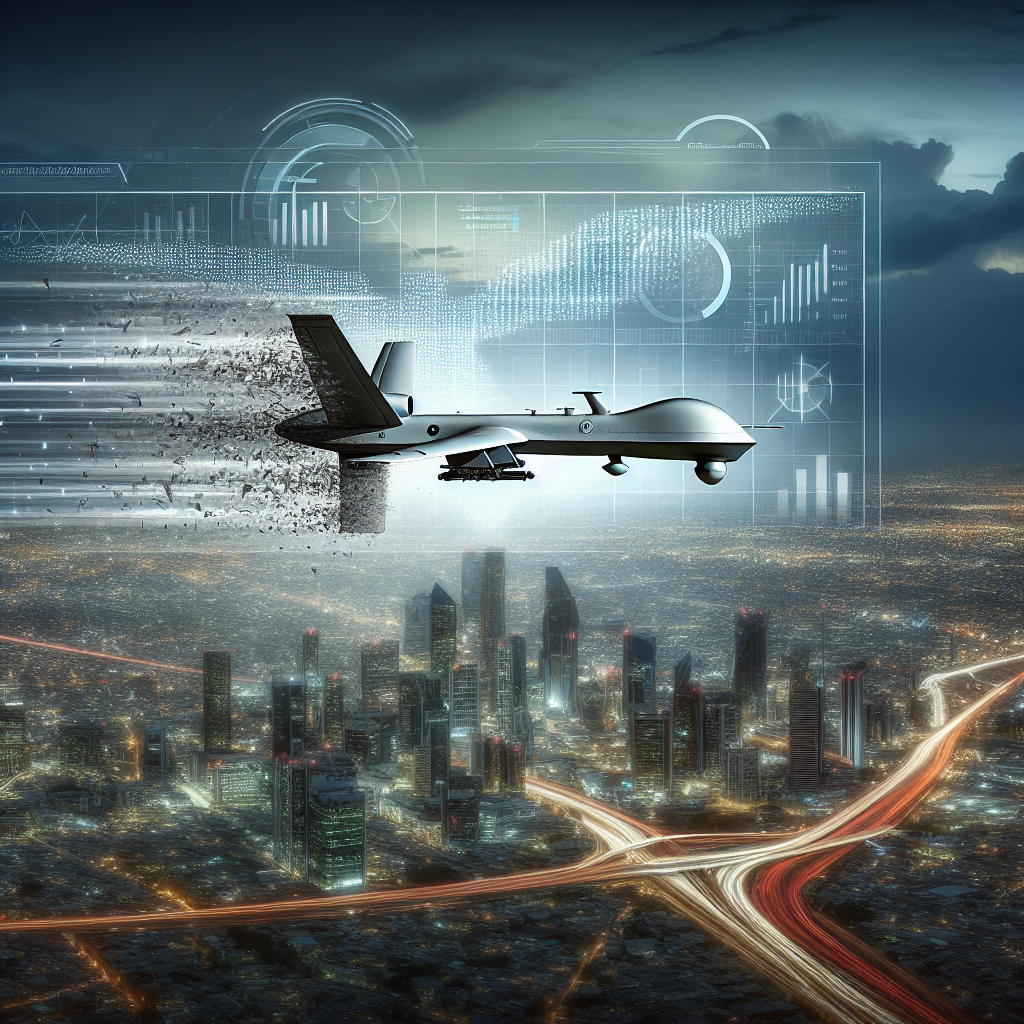
In a significant escalation of U.S. efforts to secure its technological infrastructure, the federal government has announced a sweeping new ban on the importation of foreign-manufactured drones and critical drone components. As first reported in the article, “US Bans New Foreign-Made Drones And Components,” by Startup News FYI, the ruling—set to take effect within weeks—will impact both commercial and hobbyist drone markets across the country.
The measures, introduced by the U.S. Department of Commerce and supported by the Department of Homeland Security, are aimed primarily at addressing national security concerns tied to drones produced by companies perceived to be under foreign government influence. While officials did not explicitly name any countries or manufacturers in the public announcement, analysts widely regard the action as targeting Chinese drone giant DJI, which dominates the global consumer drone market and has long been under scrutiny by U.S. authorities.
Administration officials cited fears that foreign-manufactured drones and their embedded components could relay sensitive infrastructure data back to adversarial nations, posing risks to both civilian and military operations. A senior Commerce Department official emphasized that the move was not solely reactive but part of a broader strategy to foster domestic drone manufacturing and reduce U.S. dependency on foreign technology in sectors deemed critical to national security.
The ruling prohibits the importation of fully assembled drones as well as components deemed essential to drone operation, including GPS modules, data transmission systems, and certain types of software. Exceptions to the ban exist for devices already in service, though continued support or expansion of existing fleets may become increasingly difficult depending on manufacturers’ abilities to comply with sourcing restrictions.
Industry organizations and drone manufacturers swiftly responded to the announcement. While some welcomed the decision as a long-overdue step toward safeguarding U.S. infrastructure, others raised concerns about supply chain disruptions and the potential for price increases, particularly for small businesses and public safety agencies reliant on affordable drone systems.
“This move will significantly affect operations across critical sectors such as agriculture, firefighting, and search and rescue,” said a spokesperson for a national drone trade association. “We urge the government to provide clear guidance and support for transitioning to compliant systems.”
The Biden administration’s decision continues a pattern of increasing scrutiny toward Chinese technology firms and reflects growing bipartisan consensus in Washington around the need for tighter controls over foreign access to America’s technological ecosystems. In Congress, bipartisan support for curbing reliance on overseas drone systems has risen in recent years, with lawmakers citing provocative cyber incidents and concerns about potential espionage.
U.S. technology firms working in the drone space may benefit from the new policy, which could stimulate domestic innovation and encourage investment in homegrown alternatives. However, industry leaders caution that it will take time for U.S. manufacturers to scale production and establish reliable supply chains that meet security standards and consumer expectations.
As the ban moves toward implementation, the Department of Commerce plans to work with industry stakeholders to map out compliance protocols, inspection mechanisms, and enforcement procedures. Federal agencies already using foreign-made drones may be required to phase them out over time, though no specific deadlines have yet been made public.
The United States’ decision to ban foreign-made drones and components marks a turning point for the global drone industry and signals an unambiguous shift in the government’s approach to technology procurement—a shift with far-reaching implications for international trade, cybersecurity, and innovation.