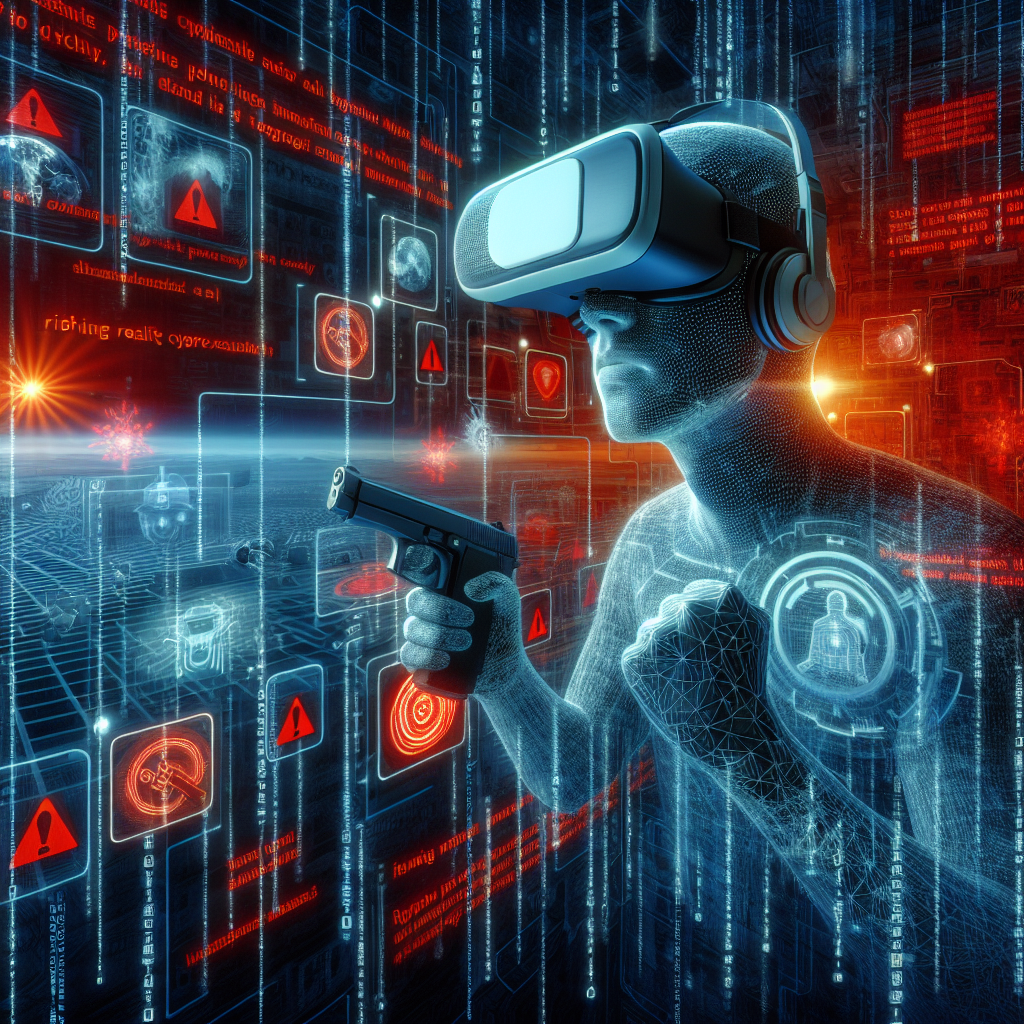
A new study has highlighted a growing concern surrounding the use of virtual reality (VR) technology: its potential to become a “honey pot” for cybercriminals. The article “Virtual reality may become a ‘honey pot’ for cybercrime, researchers warn,” published by Tech Xplore, explores how immersive technologies are creating new vulnerabilities that could be exploited for illicit gain.
As virtual reality applications rapidly expand beyond gaming into sectors such as healthcare, education, and remote work, researchers say their ability to collect vast amounts of sensitive personal data makes them particularly attractive to malicious actors. The study, led by cybersecurity and human-computer interaction experts, points to the unique types of information that VR platforms gather—such as biometric identifiers, behavioral patterns, and even subconscious responses—as prime targets for exploitation.
Unlike traditional computing environments, VR systems track a user’s every movement, gesture, and physical orientation in real time. This constant monitoring generates a rich dataset that can be used not only for enhancing user experiences but also for profiling, manipulation, or identity theft if accessed improperly. As the researchers conclude, this degree of immersion and data collection creates an ecosystem ripe for abuse, especially in the absence of rigorous security frameworks.
The concept of VR as a “honey pot” emphasizes how its immersive qualities may lull users into a false sense of safety. According to the research, users operating in fully immersive environments may become less aware of real-world risks—a phenomenon that could be exploited through phishing schemes, impersonation, or social engineering. The concern is compounded by a regulatory landscape still catching up to the rapid evolution of immersive technologies.
Tech Xplore’s report notes that while many developers focus on optimizing user experience and visual fidelity, cybersecurity measures remain underdeveloped in VR platforms. This imbalance could allow attackers to intercept sessions, hijack avatars, or glean valuable personal insights without users’ knowledge.
The research team calls for a proactive approach that integrates privacy and security protocols into VR system design from the outset. These include real-time threat detection, secure identity management, and ethical guidelines for data handling. Failure to address these issues, the study warns, could undermine public trust in a technology poised to redefine digital interaction.
As virtual reality continues its trajectory toward mainstream adoption, the findings serve as a cautionary reminder of the complex ethical and technical challenges that accompany transformative technologies. Developers, regulators, and end users alike may need to consider not only what VR can do, but also what it could compromise if left unsecured.