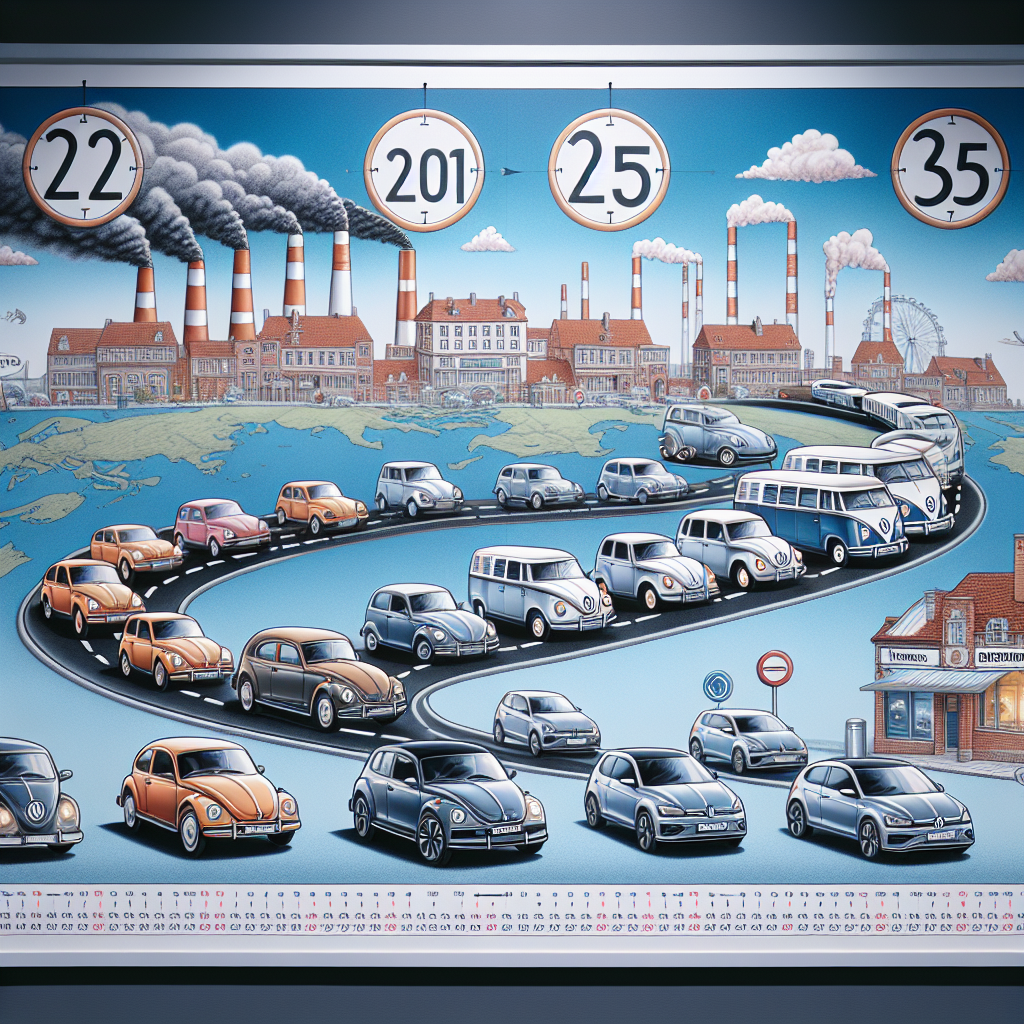
In a recent development that signals a significant shift in the automotive sector, Volkswagen has announced its decision to phase out the production of combustion engine vehicles in Europe by 2033. The decision is part of a broader strategy aimed at adhering to the stringent emissions regulations set by the European Union and aligning with global sustainability goals.
The original article, titled “Volkswagen to stop selling combustion-engine cars in Europe by 2035” published by Calcalistech, highlights the phased approach that the German automaker intends to adopt. According to the strategic plan, Volkswagen will gradually end the sales of such vehicles in Europe, with a complete cessation targeted by 2035 at the latest. This timeline matches the EU’s ambitious agenda to cut carbon emissions and promotes a faster transition towards green mobility solutions.
Volkswagen’s move is expected to have far-reaching implications not only for the company but also for the entire automotive industry and its ancillary sectors. The transition towards electric vehicles (EVs) necessitates substantial investments in new technologies and the reconfiguration of existing production facilities. Moreover, the shift is likely to influence the global supply chain, affecting everything from fuel supply networks to parts suppliers that traditionally cater to combustion engine manufacturing.
The transition is also set to impact employment in the automotive sector. While it opens up new opportunities in electric vehicle technology, it may lead to a skill gap in the immediate term, as workers familiar with traditional car manufacturing might need to reskill to stay relevant in the changing job market. Additionally, the push towards electric vehicles is accompanied by concerns related to the availability of critical raw materials, such as lithium, needed for EV batteries, pointing to potential bottlenecks in the supply chain.
Moreover, Volkswagen’s decision emphasizes the role of regulatory frameworks in shaping industrial strategies. The EU has been at the forefront of implementing tough regulations on emissions, which act as a significant driver for the automotive industry’s shift towards more sustainable practices. This regulatory landscape is expected to encourage other automakers to accelerate their transition to electric vehicles, thereby contributing to a reduction in greenhouse gas emissions.
As the 2035 deadline approaches, other regions may observe the European model and enact similar regulations. This would not only expand the market for electric vehicles globally but might also set off a competitive race among automakers to dominate the EV market with advanced technologies.
Finally, for consumers, the increased availability of electric vehicles opens up more choices and potentially more competitive pricing. However, it will also require adjustments such as the adoption of new refueling habits and adaptation to new vehicle performance characteristics.
In conclusion, Volkswagen’s strategic shift away from combustion engines denotes a significant milestone in the automotive industry’s evolution. This move not only aligns with global environmental goals but is also a response to the technological, economic, and regulatory dynamics that define the global automotive market today. As such, it provides a pertinent case study of how traditional industries are navigating the challenges and opportunities of the 21st century.