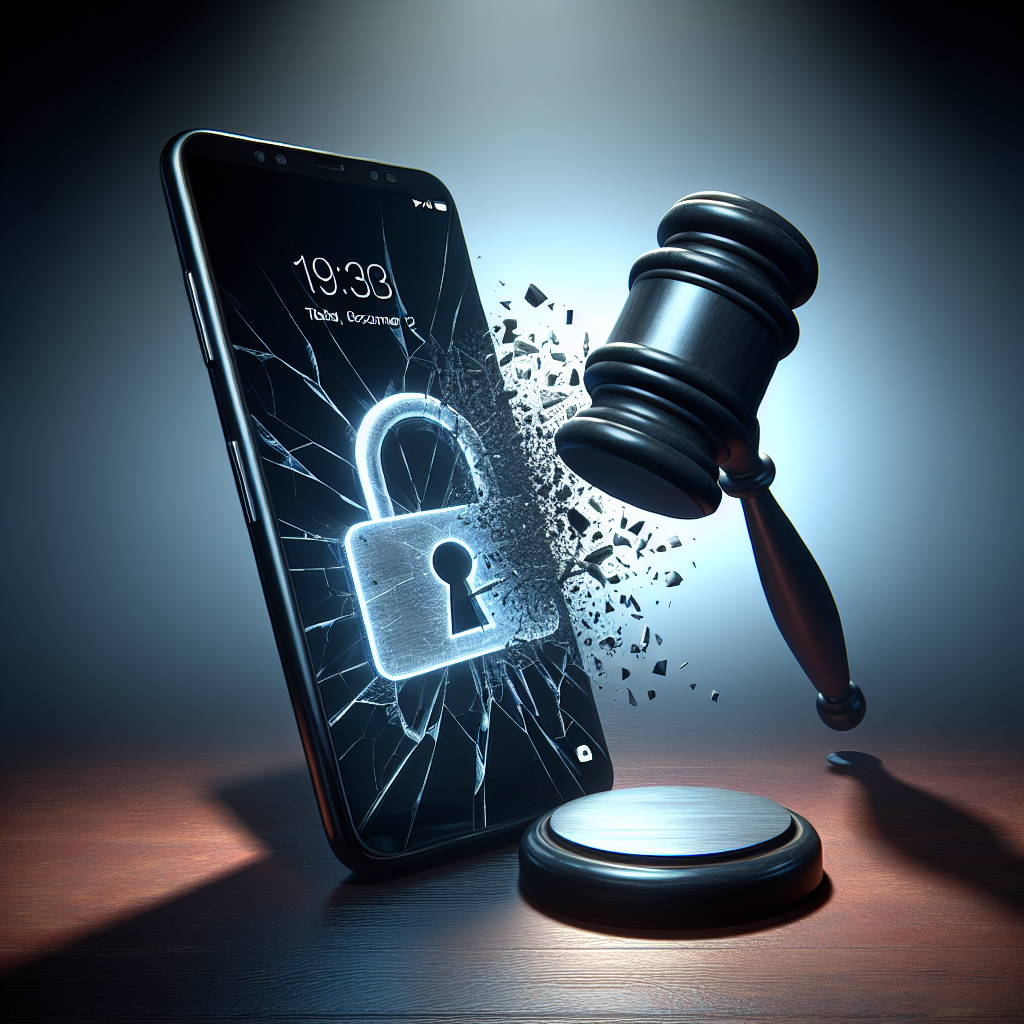
A recent report titled “Lawsuit Alleges That WhatsApp Has No End-to-End Encryption,” published by StartupNews.fyi, has triggered renewed scrutiny of WhatsApp’s long-standing claims about user privacy and encryption practices. The controversy centers on a new class-action lawsuit filed in a U.S. federal court, alleging that the Meta-owned messaging platform misrepresents the nature and security of its end-to-end encryption technologies.
The complaint, brought forward by a group of plaintiffs identified as concerned consumers and technology advocates, claims that WhatsApp’s data handling architecture allows Meta Platforms Inc. and third-party vendors to access certain content—undermining the company’s repeated public assurances that messages are accessible only to their senders and recipients.
According to the StartupNews.fyi article, the lawsuit asserts that WhatsApp’s marketing and public communications are misleading, alleging that metadata and message backups—often stored in unencrypted formats on cloud services—could potentially compromise user privacy. The plaintiffs further contend that WhatsApp incentivizes data collection and user profiling through backend integration with Meta’s broader advertising ecosystem, drawing a direct line between supposed encryption gaps and potential business motives.
Since being acquired by Facebook (now Meta) in 2014, WhatsApp has positioned itself as a secure platform grounded in strong cryptographic protections. The app introduced end-to-end encryption by default in 2016, using the Signal Protocol—an industry-standard system praised by cryptography experts globally. However, critics argue that while message content may be encrypted in transit, other forms of data—such as contact lists, timestamps, and usage logs—remain accessible and vulnerable to exploitation.
Meta has not yet publicly commented on the specifics of the lawsuit but has in the past strongly defended the integrity of WhatsApp’s encryption infrastructure. In various public statements, the company has emphasized that it cannot read users’ messages due to end-to-end encryption and that user privacy remains central to its platform mission.
Legal analysts suggest that the case could have significant implications not only for Meta but for broader debates surrounding digital privacy, data sovereignty, and regulatory accountability in the tech industry. If the plaintiffs succeed in proving that WhatsApp’s claims contradict its actual practices, it may escalate calls for increased transparency in how companies disclose digital security measures to consumers.
In recent years, mounting concerns over surveillance, data breaches, and opaque business models have placed technology firms under heightened regulatory and public scrutiny. This lawsuit could serve as a bellwether for how courts interpret the limits of corporate speech and the technical nuances of encryption promises.
While it remains to be seen how the lawsuit will unfold in court, its filing adds a new layer of complexity to the ongoing dialogue about trust, security, and power in the digital age. For now, users and watchdogs alike are awaiting a formal response from Meta—and clearer answers about what true end-to-end encryption actually entails in the modern era.