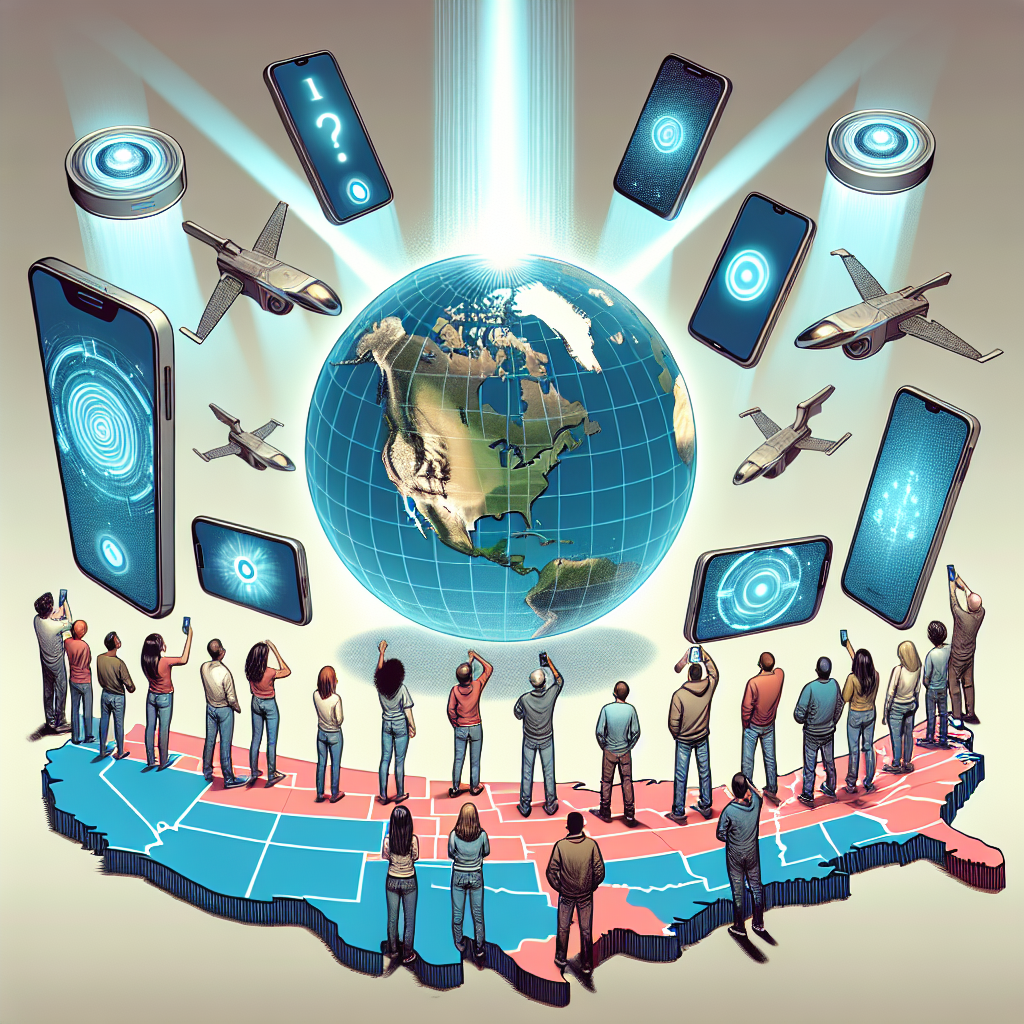
In the realm of technology, the U.S. market is often seen as a barometer for trends and consumer preferences. However, a variety of innovative smartphones are making waves overseas without ever making it to American shores. A revealing compilation by Wired, titled “The Best Phones You Can’t Buy in the United States,” highlights some of the cutting-edge mobile technology that is currently out of reach for U.S. consumers.
One of the primary factors contributing to this phenomenon is the highly competitive nature of the U.S. telecommunications industry. Local regulations and market dynamics play a significant role in shaping the range of products available. Telecommunication carriers in the U.S. often exert a significant influence on which devices are offered. This results in a selection that, while comprehensive, omits several innovative models popular in other regions.
For instance, brands like Xiaomi and Huawei have a strong foothold in markets like China and Europe. Their high-tech smartphones, which often include features like advanced camera technologies, long-lasting batteries, and ultra-fast processing speeds, remain largely unavailable in the U.S. This is primarily due to geopolitical tensions and trade restrictions that affect the distribution of technology across borders.
Furthermore, there are economic and strategic factors at play. The cost of entering the U.S. market can be prohibitively high for some manufacturers, especially when considering the extensive certification processes and marketing expenses required. Additionally, consumer brand loyalty to established companies like Apple and Samsung makes it challenging for newer brands to gain a foothold.
The implications of this market exclusion go beyond mere gadget envy. It affects the pace at which new technologies are adopted and can stifle the competitive environment that drives innovation. Consumers miss out on potentially superior technology and competitive pricing options that are available elsewhere. Moreover, it limits the global reach of these foreign brands and their ability to test and evolve their products in the demanding U.S. market.
Industry experts argue that opening up the market more broadly could spur a wave of technological advancement and consumer benefits, including lower prices and faster innovation cycles. However, such changes would require a significant shift in both policy and consumer openness to new brands and technologies.
In conclusion, while the U.S. remains a key player in the global tech landscape, its consumers are currently missing out on a variety of high-quality smartphones due to a complex cocktail of regulatory, economic, and market-driven factors. As the global tech industry continues to evolve, it remains to be seen whether these barriers will persist or if the U.S. market will become more inclusive, fostering an even more vibrant competitive landscape in the technology sector.