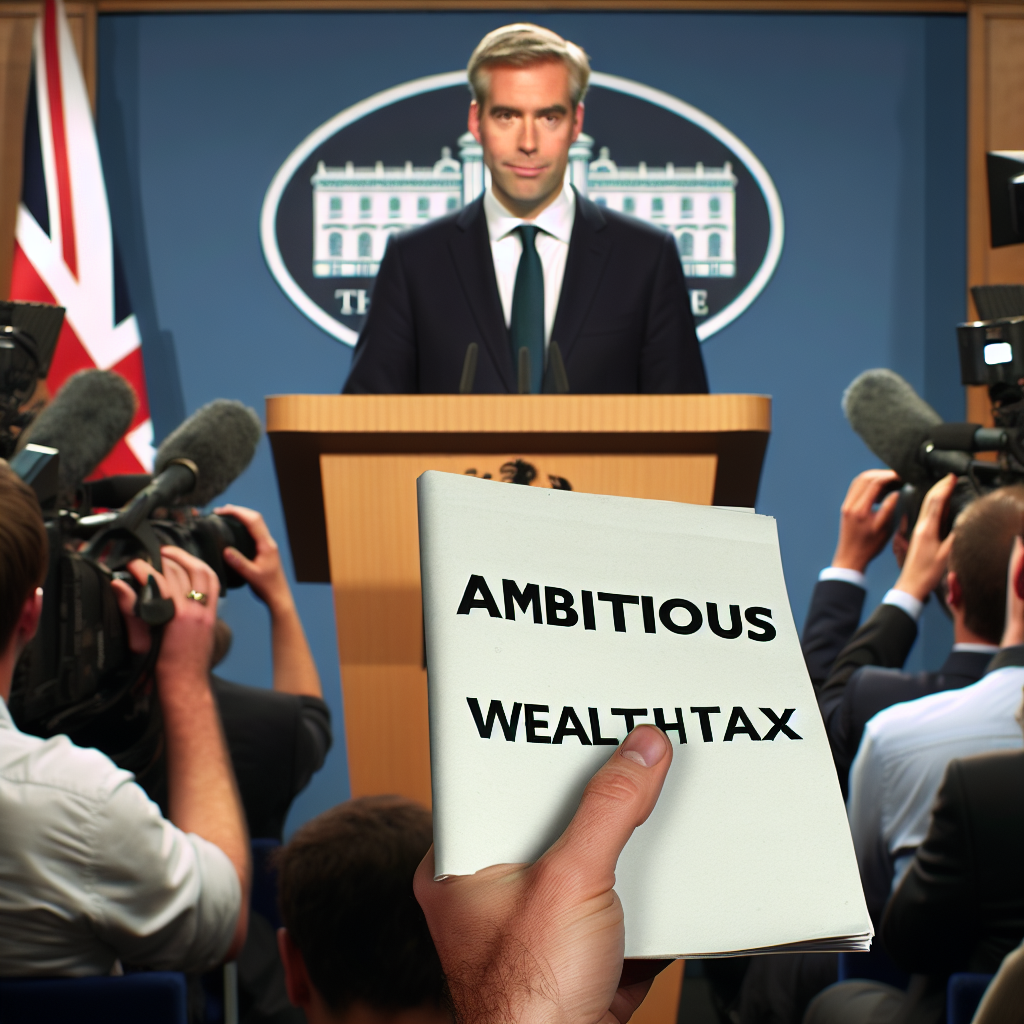
In a pivotal address that could signal significant policy shifts, Zack Polanski, the leader of the Green Party, has proposed a radical restructuring of the UK’s taxation system. This plan centers on the implementation of a wealth tax aimed squarely at the nation’s richest individuals, a move Polanski believes could be the key to dismantling what he describes as “rip-off Britain.”
Polanski’s comments come amid growing public discontent over perceived inequalities and economic strains affecting the middle and lower income brackets, frustrations that are only compounded by a rising cost of living and stagnant wage growth in many sectors. According to an article published by startupnews.fyi, Polanski has articulated a clear vision for redirecting the wealth concentrated in the hands of the few to address the dire needs of the many. Terms like “wealth tax” are not new, but Polanski’s assertive push could rejuvenate discussions around fiscal equity in the UK.
The wealth tax, as proposed, is not merely a punitive measure but is envisaged as a fundamental step towards fairness and fiscal responsibility. This approach to taxation would involve recalibrating the existing system to ensure that those at the top of the economic pyramid contribute a fairer share towards national development and welfare programs. The revenue generated from this tax could potentially transform public services, including healthcare, education, and social security, which have suffered under austerity measures in recent years.
Critics of the wealth tax argue that such policies could deter investment and lead to capital flight, potentially stymieing economic growth and innovation. They fear the ramifications of a system that appears to penalize success could lead wealth generators to relocate to more tax-friendly countries. Furthermore, the administrative complexity of effectively implementing and maintaining a wealth tax could pose significant challenges and costs.
Supporters, however, counter these points by highlighting examples from other nations where similar tax structures have been successfully implemented without such negative repercussions. They also point to the increasing public demand for more equitable wealth distribution, particularly in the wake of economic disparities highlighted by the COVID-19 pandemic.
Polanski’s call for a wealth tax also dovetails with broader environmental goals championed by the Green Party. By channeling funds into sustainable projects and green infrastructure, the tax could also accelerate the UK’s transition to a low-carbon economy, aligning economic reform with environmental sustainability.
As this debate unfolds, the proposal puts pressure on other political parties and policymakers to clarify their positions on wealth inequality and tax reform. It remains to be seen how this bold initiative will resonate with voters and economists alike, but one thing is clear: the conversation around economic equity is gaining momentum, and the implications for the UK’s fiscal policies could be profound.