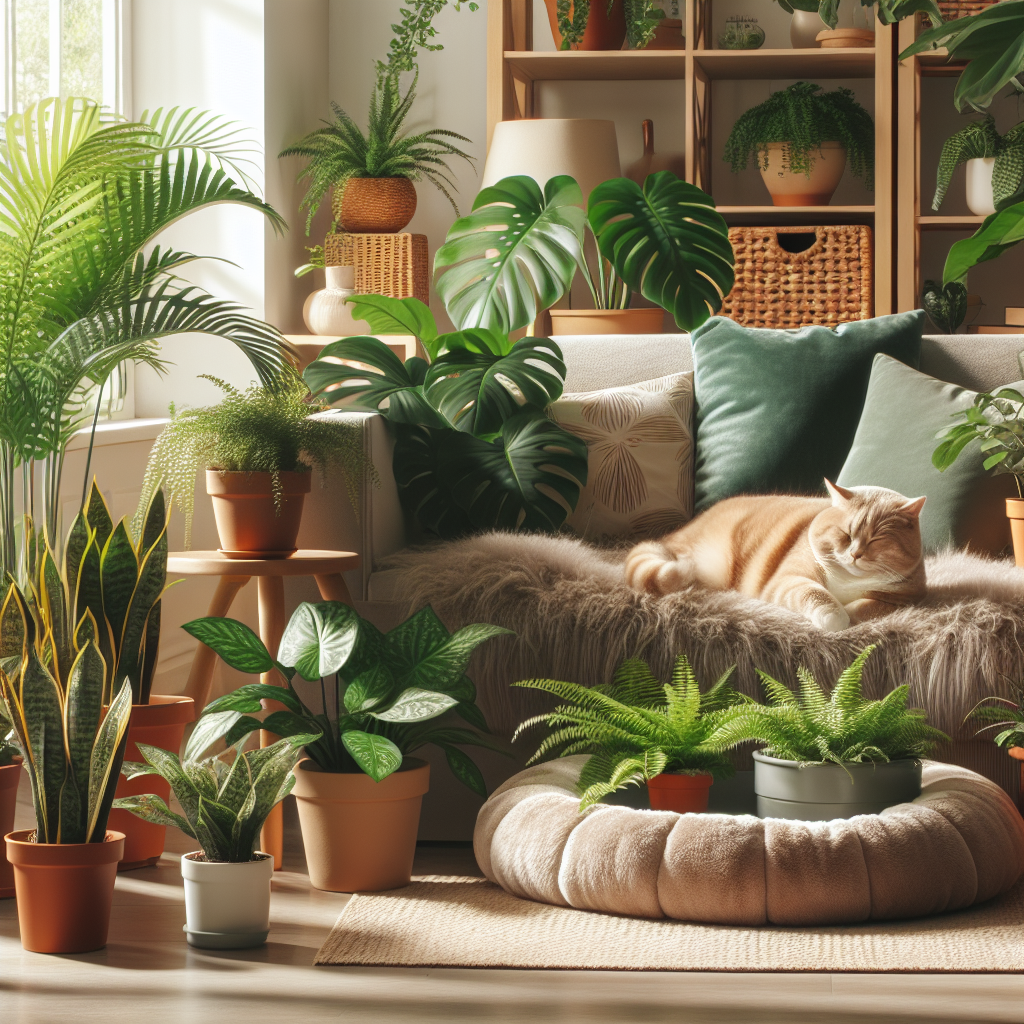
As pet ownership continues to rise across the United States, so too does awareness of the potential household dangers that can threaten animal health. A recent article published by Startup News, titled “That Houseplant Could Be Deadly to Your Cat—Try These 7 Options Instead,” has brought renewed attention to the risks that common indoor plants can pose to domestic cats. The piece underscores the importance of mindful decorating, particularly for those who share their space with feline companions.
According to the report, a number of widely popular houseplants, such as lilies, pothos, and philodendrons, contain compounds that may cause anything from mild gastrointestinal distress to life-threatening organ failure if ingested by cats. The article highlights both anecdotal accounts from pet owners and insights from veterinary professionals who warn of the hidden danger in households that otherwise appear benign.
The central concern stems from the fact that indoor plants, often selected for their aesthetic appeal or air-purifying qualities, are frequently within reach of curious pets. Cats, in particular, are known for nibbling on leaves or chewing stems, behaviors that can lead to unintentional poisoning. Compounding the problem is the fact that many pet owners remain unaware of which plants are toxic. Google searches may yield inconsistent advice, and not all retailers label plants with pet safety information.
In response to these concerns, veterinarians and animal welfare organizations stress the importance of proactive education. Some have begun working with garden centers and online merchants to clearly mark non-toxic options. The Startup News article addresses this information gap by providing seven safe alternatives to toxic houseplants, including spider plants, areca palms, and calathea. Each of these varieties offers visual appeal without the associated health risks, allowing consumers to maintain an inviting home environment without putting pets at risk.
The broader implications of the report speak to a growing intersection between lifestyle choices and animal welfare. As consumers become increasingly conscientious about how their purchases impact not only their own well-being but also that of their pets, there’s a rising demand for products that meet both aesthetic and ethical standards. Retailers may soon find it advantageous to expand offerings of pet-safe greenery and to more visibly display safety certifications.
This new focus also aligns with the expanding role that pets play in American households, where more than 60 million homes include at least one cat. In such settings, safeguarding animal health has become more than a personal priority—it is evolving into a public concern. As awareness grows, publications like Startup News are likely to continue influencing consumer habits and prompting industries to improve transparency about the potential risks of everyday goods.
For the millions of cat owners striving to create safe and enriching environments, the message is clear: what’s beautiful for people isn’t always harmless for pets, and thoughtful choices can make all the difference.