India will need to invest approximately $145 billion annually in its energy sector to reconcile its rapid economic expansion with its climate commitments, according to a recent analysis by energy consultancy Wood Mackenzie. As reported in the article titled “India Needs $145 Bn Annual Energy Investment To Align Growth With Climate Goals: Wood Mackenzie” by StartupNews.fyi, the figure underscores the scale of investment required to decarbonize the country’s energy infrastructure without compromising its development trajectory.
India, home to the world’s fastest-growing large economy, is under increasing pressure to transition away from fossil fuels, even as it attempts to meet the soaring energy demands of an expanding population and industrial sector. Wood Mackenzie’s report highlights that electricity consumption in India is projected to double by 2050, driven primarily by urbanization, electrification of transportation, and rising industrial output.
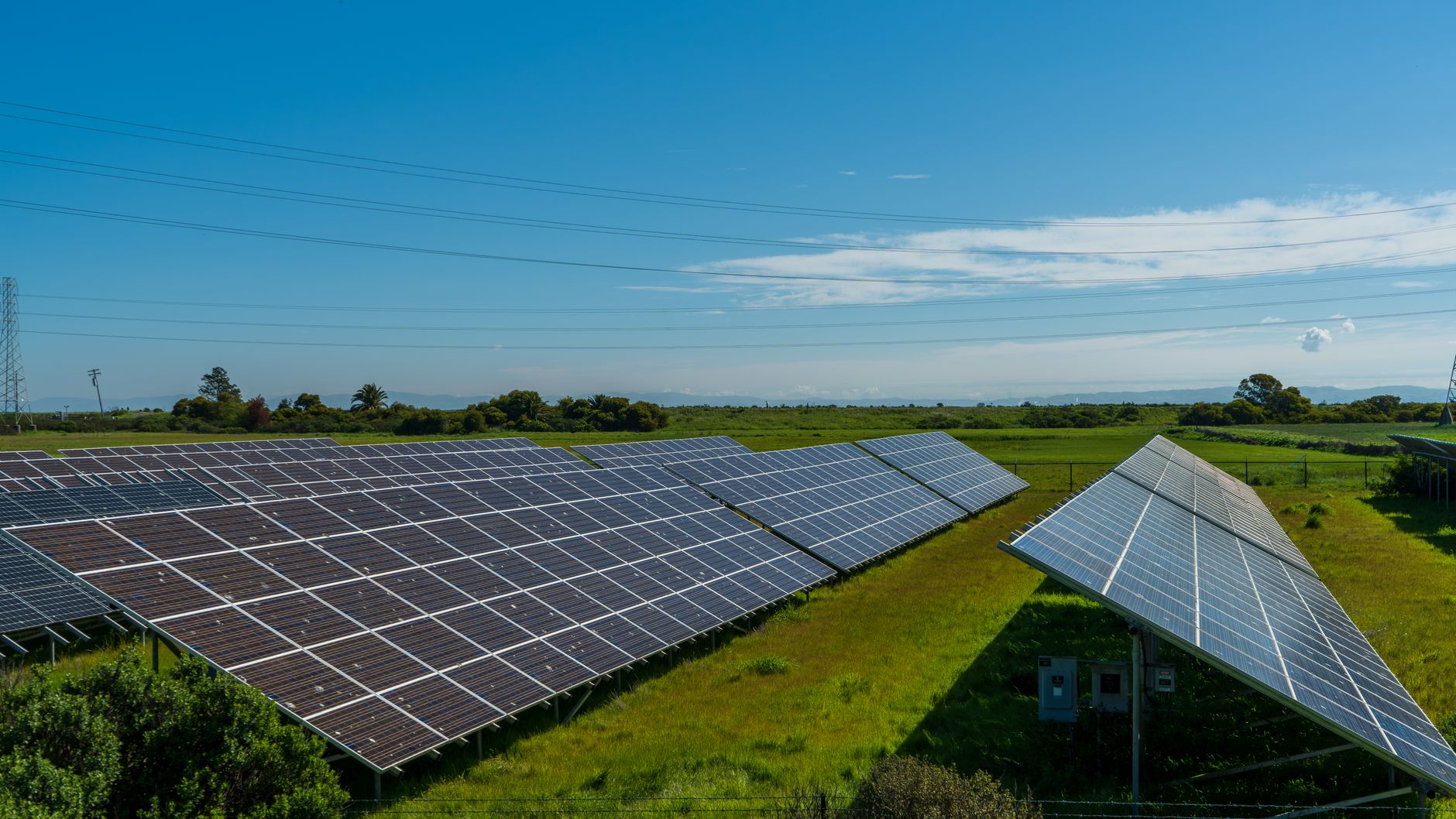
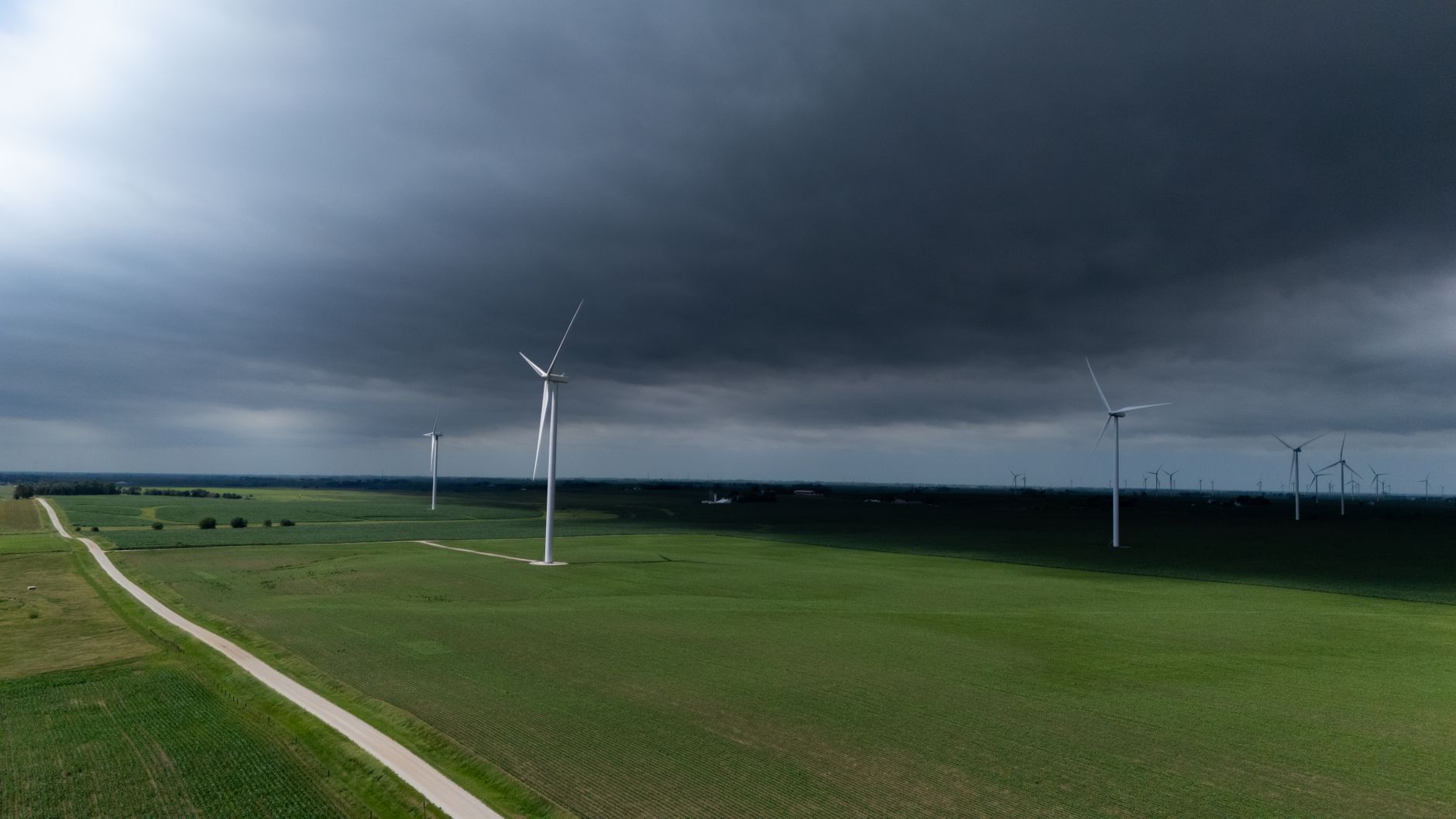
The consultancy’s analysis suggests that India will need to significantly accelerate investments in solar, wind, hydropower, and battery storage technologies to stay on track with its net-zero targets. Around two-thirds of the required $145 billion annual investment must go toward power generation and supporting grid infrastructure upgrades, while the remainder will be necessary for electrifying transport and reducing industrial emissions.
In 2023, India invested about $75 billion in clean energy technologies, less than half of what will be necessary on an annual basis going forward. Analysts say the gap emphasizes not only the financial challenge but also the need for stronger policy frameworks and robust international cooperation. Much of the additional funding must come from private sector sources, both domestic and foreign, necessitating improvements in regulatory clarity, land acquisition processes, and procurement mechanisms.
Despite the daunting scale of investment required, India has made notable progress in scaling up renewable capacity. As of late 2023, non-fossil fuel sources account for roughly 44 percent of the country’s installed electricity capacity, with solar generation leading the transition. Still, coal remains central to India’s power supply, contributing about 70 percent of total electricity generation—a dependency that complicates decarbonization.
Wood Mackenzie analysts warn that unless investment increases substantially and consistently through the next two decades, India risks falling short of both its domestic energy goals and its international climate pledges under the Paris Agreement. The report also acknowledges India’s relatively low per capita carbon emissions but emphasizes that continued economic growth will require strategic shifts to ensure long-term sustainability.
As countries worldwide intensify efforts to reach net-zero emissions, India’s path forward will be crucial not just for its own climate resilience but also for the global carbon budget. The findings from Wood Mackenzie reinforce the urgency of aligning capital flows with green growth priorities and could serve as a blueprint for international donors and investors seeking emerging market opportunities with long-term climate relevance.