A new wave of electric vehicles expected to arrive in 2026 signals an intensifying shift in the global auto industry, where competition is expanding beyond early adopters to a broader, more demanding consumer base. In its recent report, “The 16 Best EVs Coming in 2026,” Wired outlines a lineup that reflects both technological maturation and a widening diversity of design, price points, and performance ambitions.
Automakers are increasingly converging on a central challenge: how to make electric vehicles not only cleaner but also more practical and desirable than their internal combustion counterparts. The models highlighted by Wired suggest that manufacturers are focusing heavily on range improvements, faster charging times, and software integration, while also experimenting with new vehicle categories. From compact city cars to high-performance sedans and large sport utility vehicles, the 2026 pipeline suggests a market no longer defined by niche appeal.
Luxury brands continue to push the envelope on performance and design. Several upcoming models emphasize extended driving ranges that approach or exceed 400 miles on a single charge, alongside ultra-fast charging capabilities intended to reduce downtime to minutes rather than hours. At the same time, these vehicles are being positioned as technology platforms, with increasingly sophisticated driver-assistance systems and over-the-air update capabilities becoming standard expectations rather than premium features.
Yet the Wired report also reflects a notable shift beyond the luxury segment. More affordable EVs are expected to enter the market, driven in part by competitive pressure from both established manufacturers and newer entrants. These models aim to address one of the most persistent barriers to EV adoption: upfront cost. While pricing remains uncertain for many announced vehicles, industry analysts expect that economies of scale and advancements in battery production could begin to narrow the gap with gasoline-powered cars.
Battery innovation remains central to these developments. Solid-state technology, while not yet fully commercialized at scale, is frequently cited as a future breakthrough, promising higher energy density and improved safety. In the nearer term, incremental improvements to lithium-ion systems are delivering tangible gains in efficiency and durability. As highlighted in Wired’s “The 16 Best EVs Coming in 2026,” many of the anticipated models rely on refined versions of existing battery architectures paired with more efficient electric drivetrains.
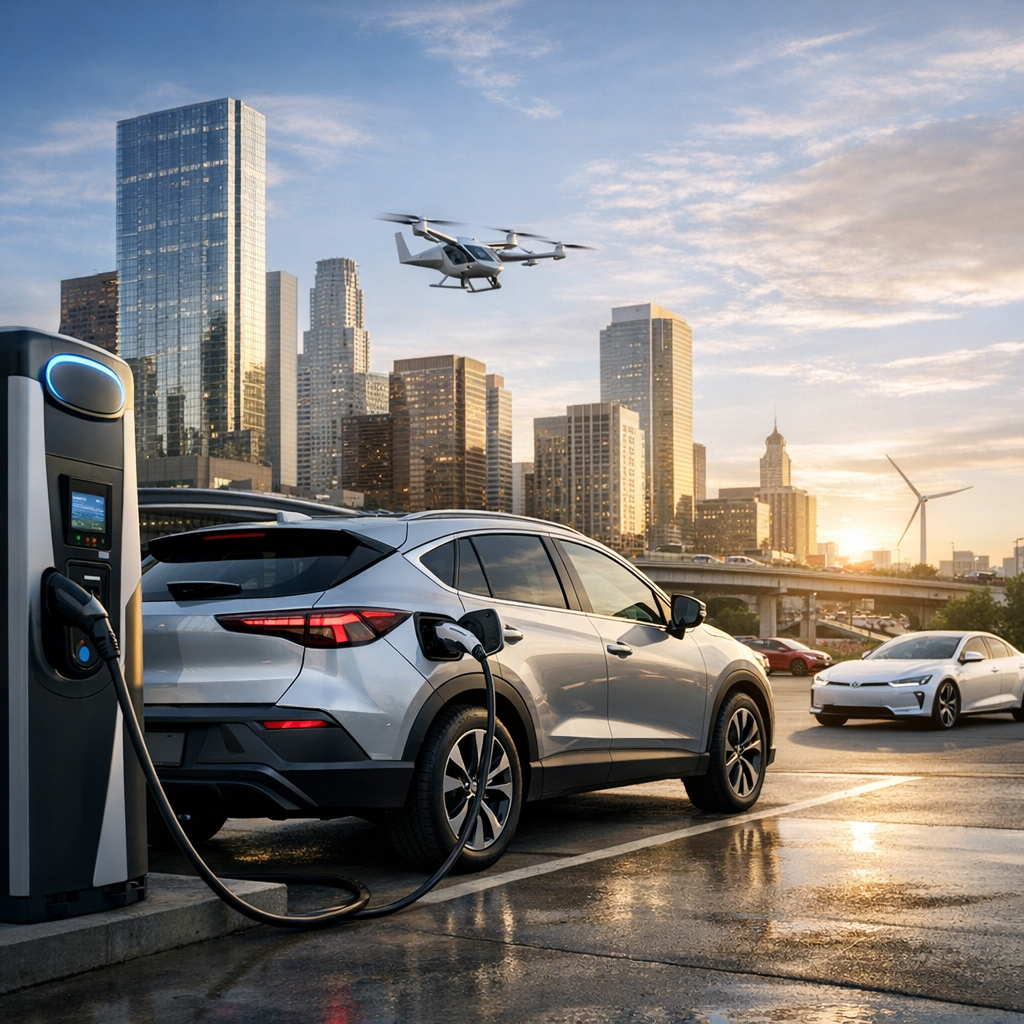
Infrastructure, however, continues to play a decisive role in shaping consumer adoption. Even as vehicle capabilities improve, charging networks must keep pace to support longer-distance travel and higher EV volumes. The expansion of fast-charging networks across North America and Europe, along with interoperability agreements between manufacturers, is expected to alleviate some concerns, though regional disparities remain.
The competitive landscape is also becoming more complex. Traditional automakers are accelerating their electrification strategies while newer companies seek to differentiate themselves through software, design, or direct-to-consumer sales models. This convergence is intensifying pressure on pricing and innovation cycles, with shorter development timelines and more frequent model updates becoming the norm.
Taken together, the vehicles previewed in Wired’s report illustrate an industry moving beyond its experimental phase. By 2026, electric vehicles are likely to be judged less on novelty and more on how effectively they meet everyday expectations for cost, convenience, and performance. The breadth of models on the horizon suggests that the transition to electric mobility is entering a more mature and competitive stage, where success will depend as much on execution as on ambition.