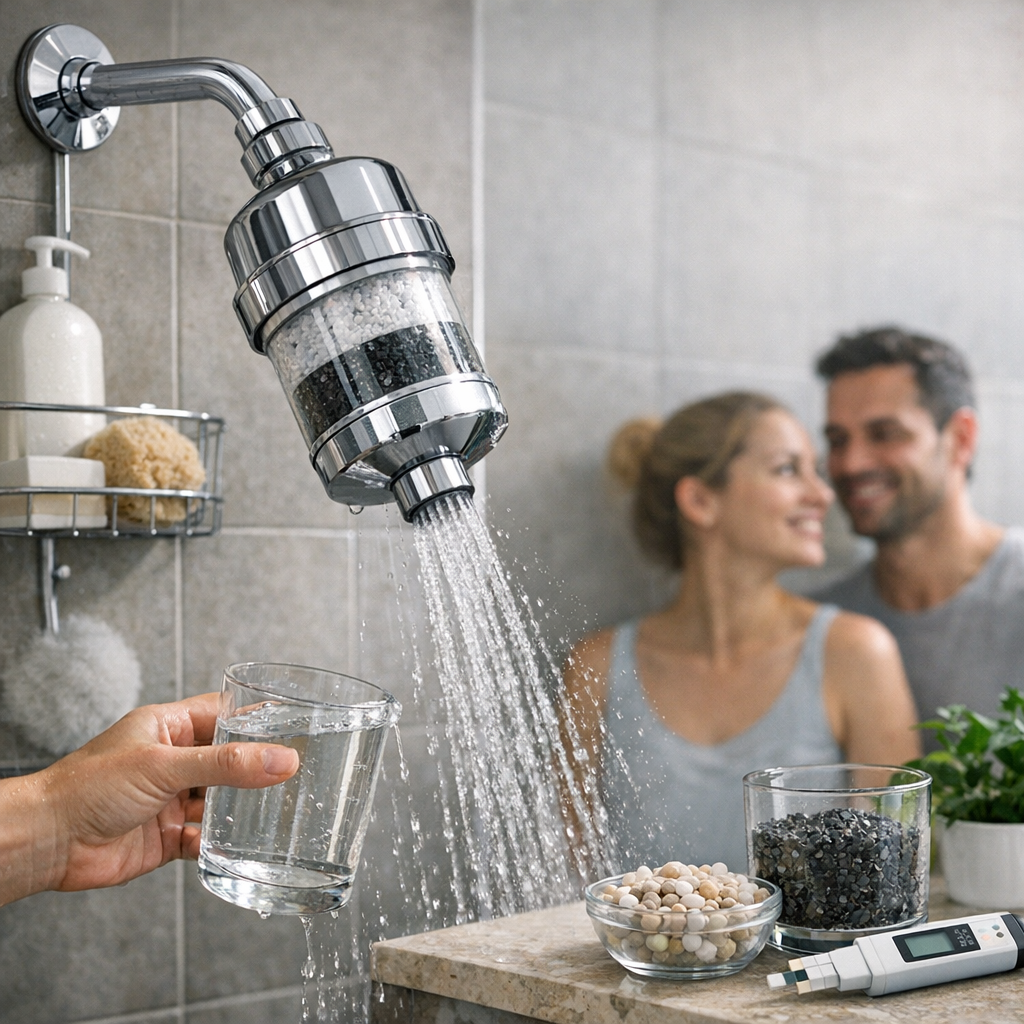
As concerns over water quality continue to shape consumer habits, demand for at-home filtration solutions is expanding beyond kitchen taps and into the bathroom. A recent feature from Wired, titled “The Best Shower Water Filters,” highlights a growing segment of the wellness and home improvement market: devices designed to reduce contaminants in the water people use daily for bathing.
While public utilities in many developed countries meet regulatory safety standards, the Wired article underscores a gap between what is considered legally safe and what consumers increasingly prefer. Trace elements such as chlorine, sediment, and in some cases heavy metals can still be present in tap water, particularly in older infrastructure systems. Though these are generally deemed safe at regulated levels, they may contribute to skin irritation, dry hair, or unpleasant odors—issues that have fueled interest in shower filtration.
The Wired review evaluates several commercially available shower filters, emphasizing performance, ease of installation, and cost. Most models work by attaching directly to existing showerheads or sitting inline between the pipe and the fixture. The filtration methods vary, often combining activated carbon, KDF (a copper-zinc alloy), and other proprietary media designed to reduce chlorine and trap particulate matter. However, the article notes that not all filters are equally effective across all contaminants, and consumers should be cautious about marketing claims that overpromise health benefits.
Dermatologists have suggested that reducing chlorine exposure in shower water may benefit individuals with sensitive skin conditions such as eczema, though evidence remains mixed. The Wired article reflects this nuance, pointing out that while some users report noticeable improvements in skin and hair quality, scientific consensus is limited. Experts generally agree that these devices are unlikely to pose harm but may offer modest comfort improvements for certain users.
Another factor driving interest is the aesthetic and sensory experience of filtered water. Some users report softer-feeling water, reduced chemical odors, and less buildup on bathroom surfaces. In regions with particularly hard water, however, shower filters are not a comprehensive solution. The devices reviewed by Wired are typically not designed to significantly reduce mineral content such as calcium and magnesium, which are responsible for limescale.
Cost remains relatively accessible, with most recommended units priced within a moderate range and replacement cartridges required periodically. Maintenance is a key consideration, as effectiveness declines when filters are not replaced according to schedule. The Wired article advises consumers to factor in ongoing costs rather than just initial purchase price.
The broader trend reflects a shift toward personalized water treatment within the home, as consumers seek greater control over environmental exposures. While whole-house filtration systems offer more robust solutions, they are significantly more expensive and require professional installation, making shower filters an appealing entry point.
Ultimately, “The Best Shower Water Filters,” published by Wired, presents these devices as practical, if limited, tools for improving daily comfort rather than essential health interventions. As awareness of water quality continues to evolve, products like these are likely to remain part of a wider conversation about how individuals manage the resources that flow through their homes.