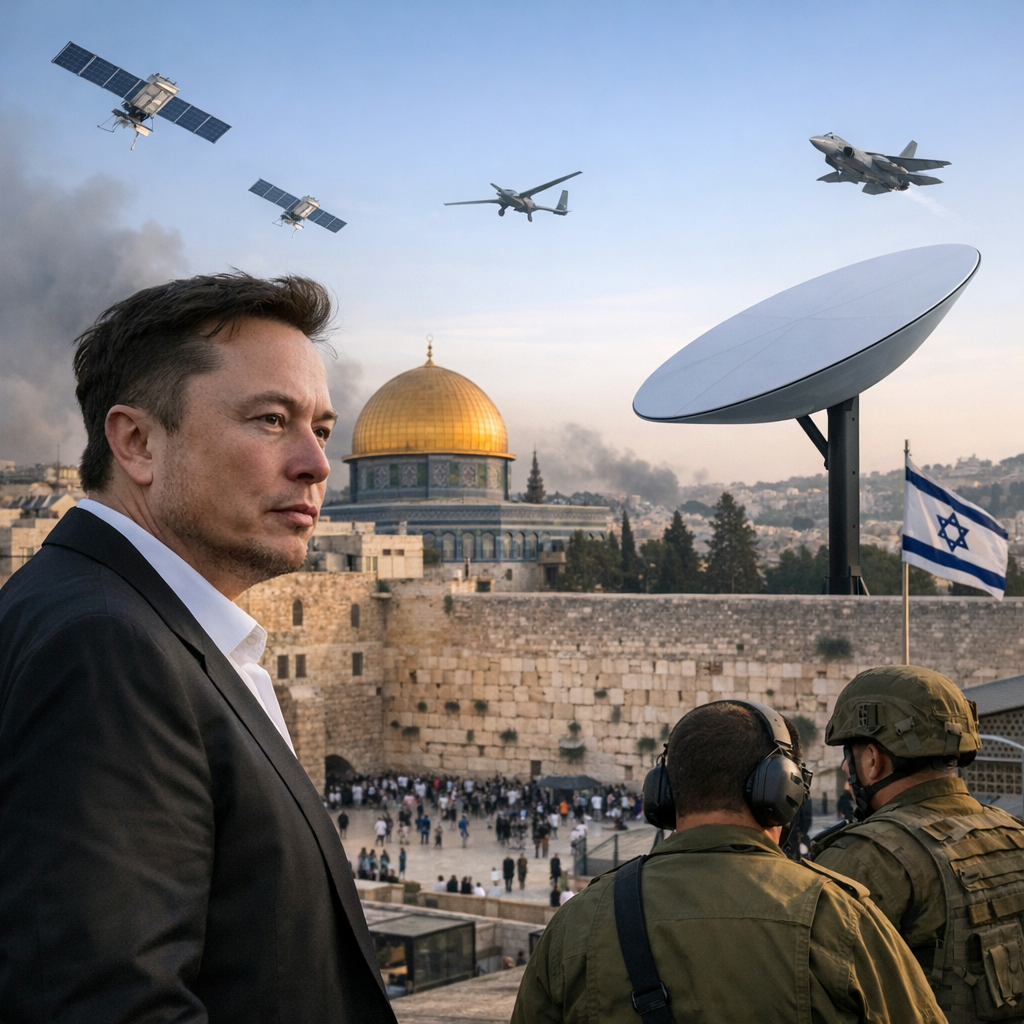
Elon Musk is expected to visit Israel next month, a trip that could place the Tesla and SpaceX chief executive at the center of a politically charged debate over technology, speech, and the responsibilities of platform owners in wartime. The planned visit was first reported by the Israeli business news site Globes in an article titled “Elon Musk to visit Israel next month.”
According to Globes, Musk’s itinerary is anticipated to include meetings with senior Israeli officials, at a time when Israel is seeking international support and heightened scrutiny of online misinformation and incitement has intensified. While details of the schedule have not been fully disclosed, the prospect of direct engagement between Musk and Israel’s leadership is likely to draw attention given his influence across multiple strategic domains, from satellite communications to artificial intelligence and social media.
Musk’s role as the owner of X, formerly Twitter, is expected to loom large over the visit. Since he acquired the platform, governments and civil society organizations have repeatedly urged the company to adopt clearer policies and stronger enforcement mechanisms, particularly around content that can inflame violence or spread falsehoods during conflicts. In Israel’s case, the war has added urgency to questions about the speed and consistency of content moderation, the handling of propaganda and graphic material, and the balance between free expression and public safety. A visit by Musk may be interpreted by some as an effort to respond to concerns directly, while others may view it as a bid to manage reputational risk amid intensifying political pressure.
The trip also has potential implications beyond X. Musk’s companies hold technologies with direct relevance to Israel’s security and infrastructure environment. SpaceX’s Starlink satellite internet service has become a key tool in disaster and conflict zones, but its deployment has frequently raised geopolitical questions about access, control, and coordination with governments. Any discussions in Israel that touch on satellite connectivity would be closely watched for signals about how Musk intends to navigate the competing demands of humanitarian access, state security considerations, and commercial expansion.
For Israel, hosting Musk would provide an opportunity to press its case with one of the most prominent figures in global technology and media. Israeli officials have invested in outreach to international decision-makers and influential private actors as they attempt to counter criticism and address concerns about the information environment surrounding the conflict. A high-profile visit could be used to underscore Israel’s priorities on security and messaging, while also emphasizing ties to the country’s technology sector.
At the same time, Musk’s presence would be politically sensitive. He is a polarizing figure whose comments on geopolitics and content governance have sparked controversy across multiple countries. Any public gestures during the visit, including potential site tours, meetings with victims’ families, or statements about the conflict, would likely be parsed for their diplomatic meaning and could draw competing narratives depending on what he chooses to emphasize.
The Globes report comes amid a broader global debate over the power of privately controlled platforms and networks during wartime, when information can influence public opinion, diplomatic positions, and even operational security. If Musk’s visit proceeds as described, it may not only be an Israel-focused event but also a case study in how technology leaders are increasingly pulled into the political demands and moral expectations that accompany their outsized reach.