A growing body of research and industry development is converging on a simple premise: the future of connected technology depends as much on how humans interact with devices as on the devices themselves. An article titled “Human-machine interaction in IoT: Role of proximity sensors & gesture detection,” published by IoT Tech News, highlights how advances in sensing technologies are reshaping the interface between people and the expanding ecosystem of connected systems.
At the center of this shift are proximity sensors and gesture recognition systems, which are increasingly embedded across consumer electronics, industrial platforms, and smart infrastructure. These technologies aim to reduce reliance on traditional input methods such as touchscreens and physical controls, replacing them with more intuitive, contactless forms of interaction. In doing so, they promise to make devices both more accessible and more responsive to human behavior.
Proximity sensors, long used for basic functions such as turning off smartphone screens during calls, are evolving rapidly in capability and application. Modern variants can detect distance, motion, and even subtle environmental changes with high precision. In industrial contexts, they are used to enhance safety by monitoring the position of workers relative to machinery, automatically pausing operations when necessary. In consumer settings, they support features like adaptive lighting, automated doors, and energy management systems that respond dynamically to occupancy.
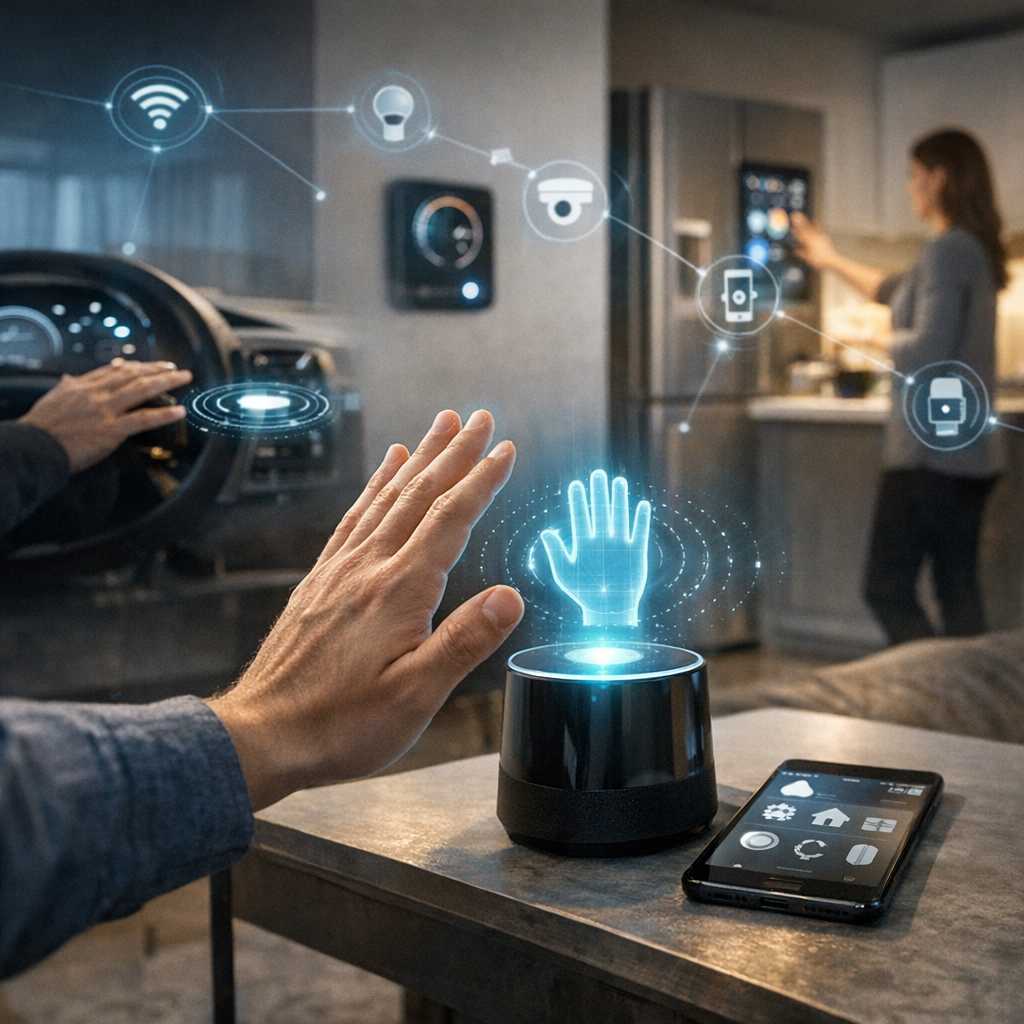
Gesture detection builds on this foundation by translating physical movements into digital commands. Advances in machine learning and sensor fusion have made it possible to interpret complex gestures with increasing accuracy, enabling users to control devices without physical contact. This has implications not only for convenience but also for hygiene and accessibility, particularly in environments such as healthcare facilities or public installations where touchless interaction is desirable.
The IoT Tech News article emphasizes that the integration of these technologies is accelerating as part of broader trends in smart environments. In homes, gesture-based controls are being incorporated into entertainment systems, lighting, and appliances, allowing users to interact with multiple devices through natural movements. In automotive applications, drivers can adjust settings or answer calls with simple hand gestures, reducing distraction and enhancing safety.
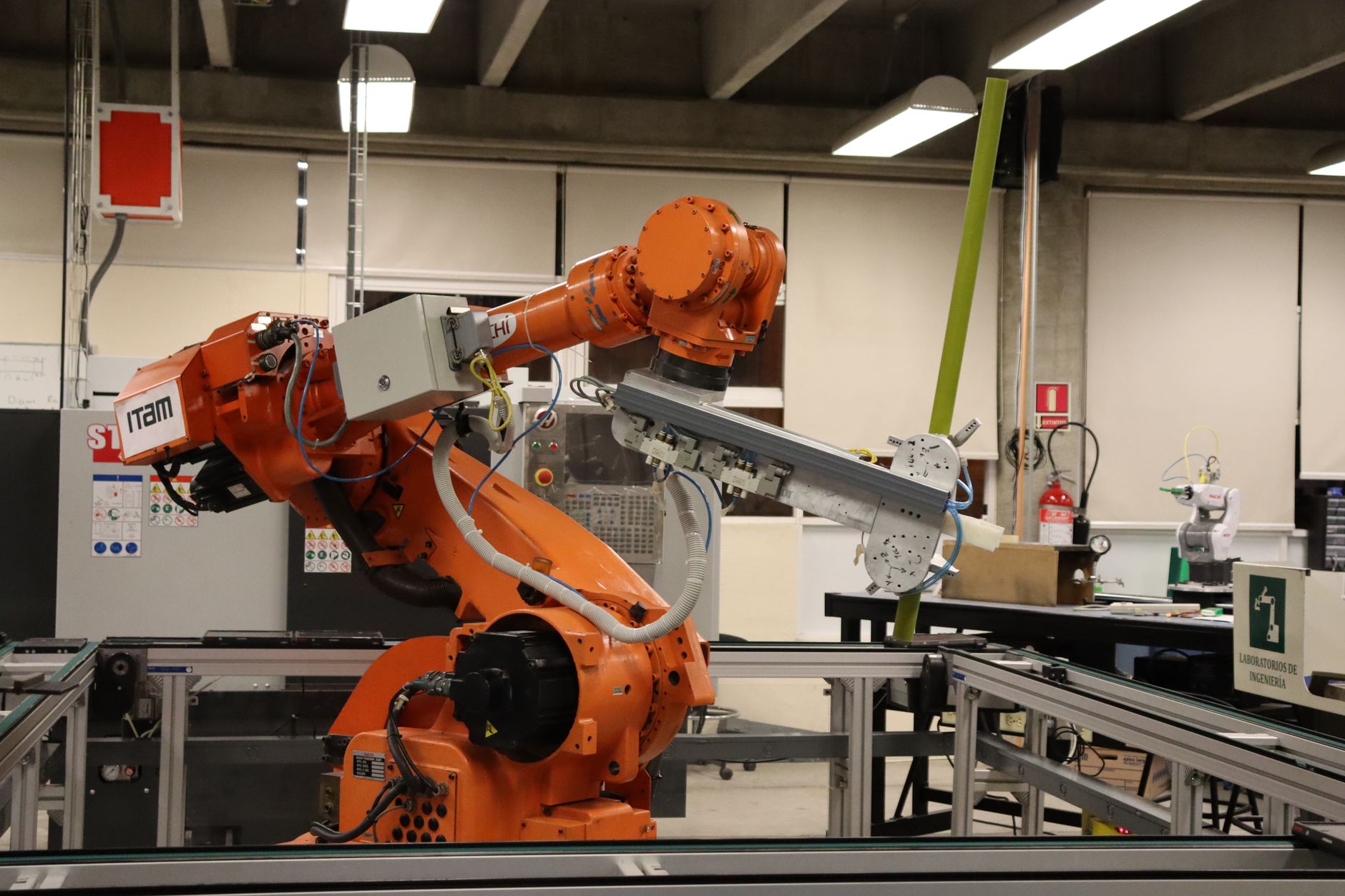
Industrial applications may prove even more transformative. Gesture recognition combined with proximity sensing is being deployed in manufacturing and logistics to streamline operations and reduce error rates. Workers can interact with machinery or digital interfaces without interrupting their tasks, while sensors ensure safe distances are maintained in high-risk areas. These capabilities support the growing emphasis on human-centric automation, where technology augments rather than replaces human labor.
Despite these advances, challenges remain. Accurate gesture recognition requires sophisticated algorithms and high-quality sensor data, and performance can be affected by environmental factors such as lighting conditions or signal interference. Privacy concerns also persist, particularly as more devices collect and process data about users’ movements and behaviors. Addressing these issues will be critical to broader adoption.
The analysis presented by IoT Tech News suggests that continued innovation in sensor technology, coupled with improvements in artificial intelligence, will further refine human-machine interaction in the coming years. As devices become more context-aware and capable of interpreting nuanced human input, the boundary between the physical and digital worlds is likely to become increasingly seamless.
The implications extend beyond convenience. By enabling more natural and responsive interactions, proximity sensors and gesture detection technologies have the potential to redefine how people engage with connected systems across industries. Whether in smart homes, factories, or public spaces, the evolution of these interfaces may ultimately determine the success and usability of the Internet of Things itself.