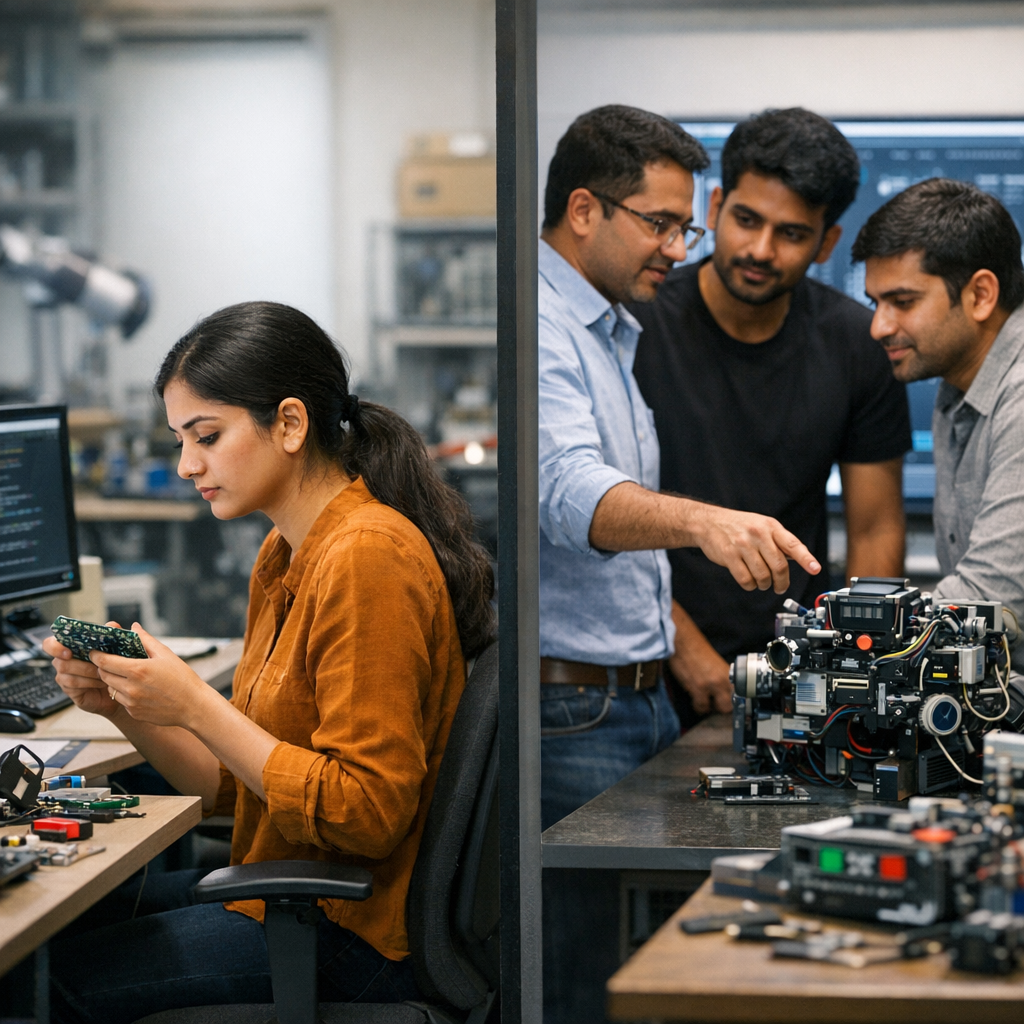
Women remain significantly underrepresented in India’s deeptech sector, according to a recent survey by hiring platform Indeed, highlighting persistent gender disparities in one of the country’s most innovation-driven industries.
The findings, reported in the Economic Times article titled “Women remain under-represented in India’s deeptech sector: Indeed survey,” point to a structural imbalance across roles in fields such as artificial intelligence, machine learning, robotics, and advanced engineering. Despite rapid growth in deeptech hiring, women account for only a small fraction of the workforce, particularly in core technical and leadership positions.
The Indeed analysis indicates that while women’s participation in India’s broader technology sector has improved steadily over the past decade, deeptech remains a lagging segment. Entry-level representation shows modest gains, but the pipeline narrows sharply at mid-career and senior levels. The data suggests that attrition, limited mentorship opportunities, and uneven access to advanced technical training contribute to the decline.
Recruitment trends also reveal that companies are still drawing disproportionately from male-dominated talent pools, including engineering specializations where female enrollment remains relatively low. The report notes that the problem is not solely one of hiring bias but reflects deeper systemic issues, including educational pathways, workplace culture, and retention challenges.
Industry observers warn that this imbalance could have long-term consequences for both innovation and competitiveness. Diverse teams are widely associated with stronger problem-solving and more robust product development, particularly in emerging technologies that shape public life. A narrow talent base risks reinforcing blind spots in design and application, especially in fields such as AI where bias and inclusivity are already major concerns.
Some companies have begun to acknowledge the gap and are introducing targeted initiatives, including mentorship programs, return-to-work opportunities, and partnerships with educational institutions to encourage more women to enter deeptech fields. However, the pace of change remains slow, and experts suggest that isolated corporate efforts are unlikely to be sufficient without broader institutional support.
The findings underscore a recurring theme across India’s technology ecosystem: while the country has established itself as a global hub for digital innovation, equitable participation within its most advanced sectors remains uneven. Addressing the gender gap in deeptech, analysts argue, will require coordinated action spanning education, industry, and policy frameworks to ensure that growth in cutting-edge technologies is matched by inclusive workforce development.