
Autonomous drone company XTEND landed on Nasdaq this week with a jolt, its shares jumping roughly 25% on the first day of trading — a debut that signals genuine market enthusiasm for the next generation of human-machine teaming platforms. The company, which builds AI-assisted drone systems designed to extend human reach into complex, high-stakes environments, priced its IPO and then watched the market pile in almost immediately. For a sector where AI investment has been compressing timelines from lab to deployment, XTEND’s opening pop is a data point worth watching.
According to Calcalist Tech, XTEND raised approximately $50 million through the offering, giving the company fresh capital to scale its platform and expand into new markets. The IPO values XTEND in a range that puts it firmly in the growth-stage tier — not a unicorn yet, but a company now armed with public-market currency and the visibility that comes with a Nasdaq listing.
What XTEND Actually Builds
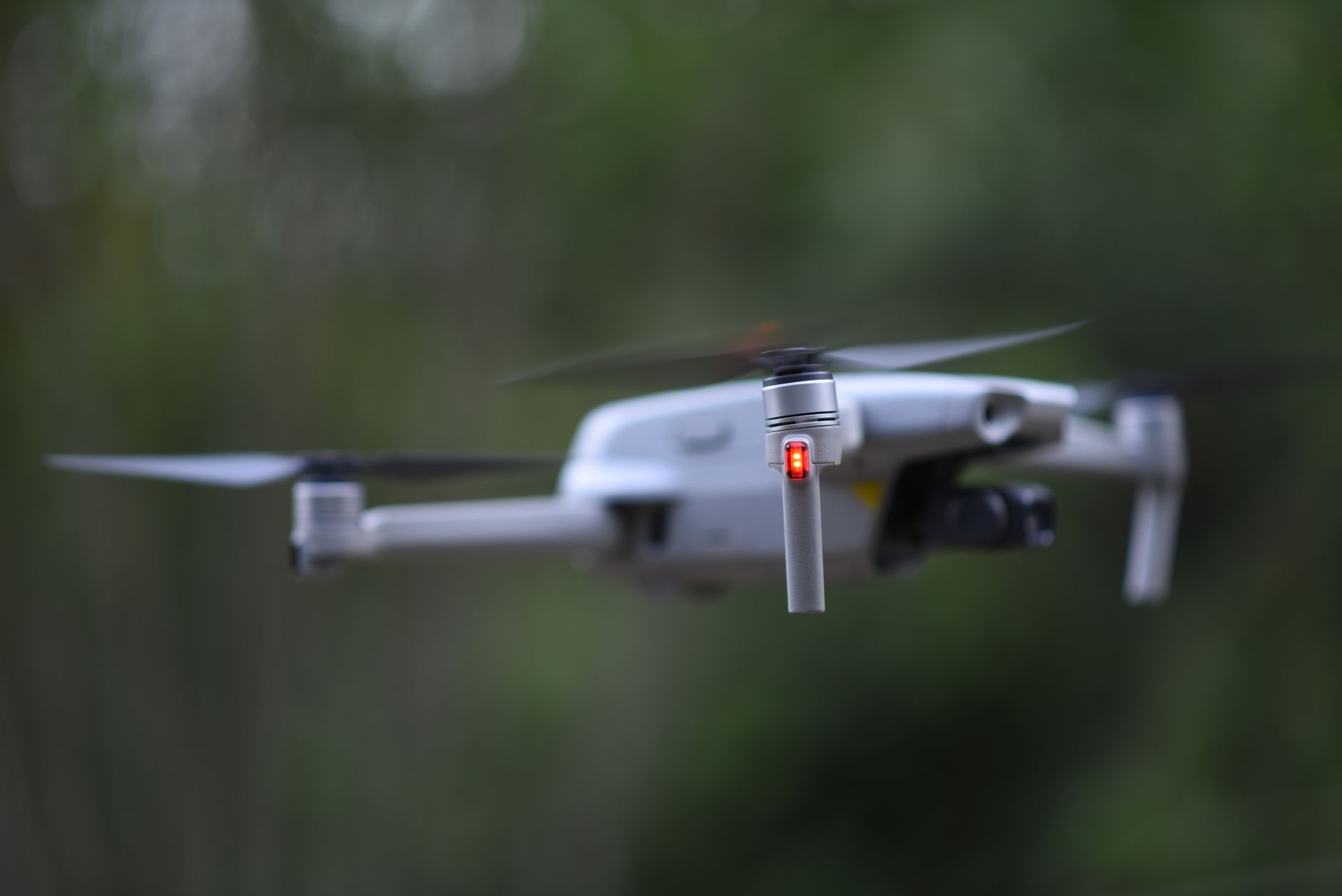
XTEND’s core technology sits at the intersection of robotics, AI, and immersive human-machine interfaces. Its flagship systems use a combination of autonomous flight logic and operator-in-the-loop control — meaning a trained user can pilot or supervise drones through complex environments while the onboard AI handles stabilization, obstacle avoidance, and situational awareness. The company markets this as “human-machine teaming,” positioning its products not as fully autonomous replacements for human judgment but as force multipliers that dramatically expand what a single operator can do.
The platform has found traction across defense, security, and first-responder use cases, where the ability to deploy a drone rapidly in a contested or dangerous space has clear operational value. XTEND has previously demonstrated systems capable of indoor navigation — one of the harder problems in drone autonomy, since GPS becomes unreliable the moment you move inside a structure. That technical credibility appears to have carried weight with investors evaluating the IPO.
The Market Moment Behind the Pop
A 25% first-day gain is not an accident — it reflects both company-specific factors and a broader market mood around defense-adjacent autonomy platforms. Public investors have been increasingly willing to pay a premium for companies that sit at the overlap of AI software and physical hardware, particularly where the end customer is a government or institutional buyer with long contract cycles and stable revenue potential. XTEND checks several of those boxes.
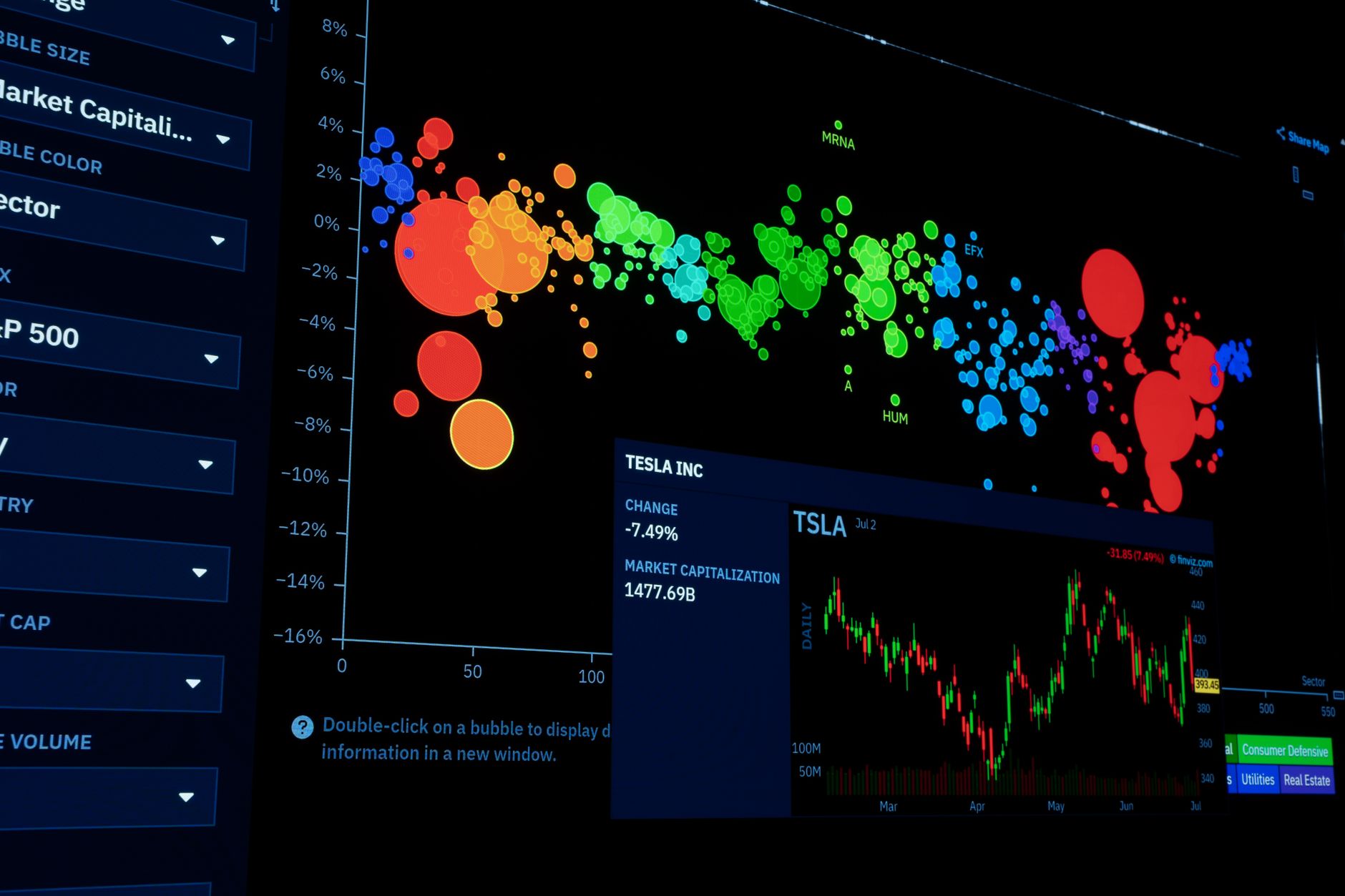
The IPO also arrives as the broader autonomous systems market is maturing past the proof-of-concept phase. Regulators, militaries, and enterprise buyers are moving from pilot programs toward procurement at scale — a transition that rewards companies with demonstrated products over those still pitching roadmaps. XTEND’s timing, if it can execute on the capital it just raised, looks reasonably well-calibrated to that shift. The acquisition activity rippling through adjacent deep-tech sectors adds another layer of upside: a newly public XTEND becomes both a potential acquirer and an acquisition target, depending on how the next few quarters unfold.
For now, though, the story is the debut itself. A clean 25% gain on day one doesn’t guarantee anything about the quarters ahead, but it does confirm that the market sees XTEND as something more than a niche hardware vendor. The question is whether the company can convert that opening momentum into the kind of revenue growth that justifies the valuation at which public investors just bought in.