
The UAE was supposed to be one of the hottest addresses in global AI infrastructure. Billions of dollars were flowing in, land was being allocated, and Abu Dhabi was positioning itself as a serious rival to Singapore and Frankfurt for hyperscale data center capacity. Now, according to a Calcalist Tech report, the conflict between Israel and Iran — and the broader regional instability it has ignited — is forcing a hard pause on one of the world’s most ambitious AI infrastructure projects in the Emirates. For an industry betting on geopolitical stability as a baseline condition, that is a significant problem. It also lands at a moment when AI acceleration is pushing demand for compute capacity to levels that planners are still struggling to project accurately.
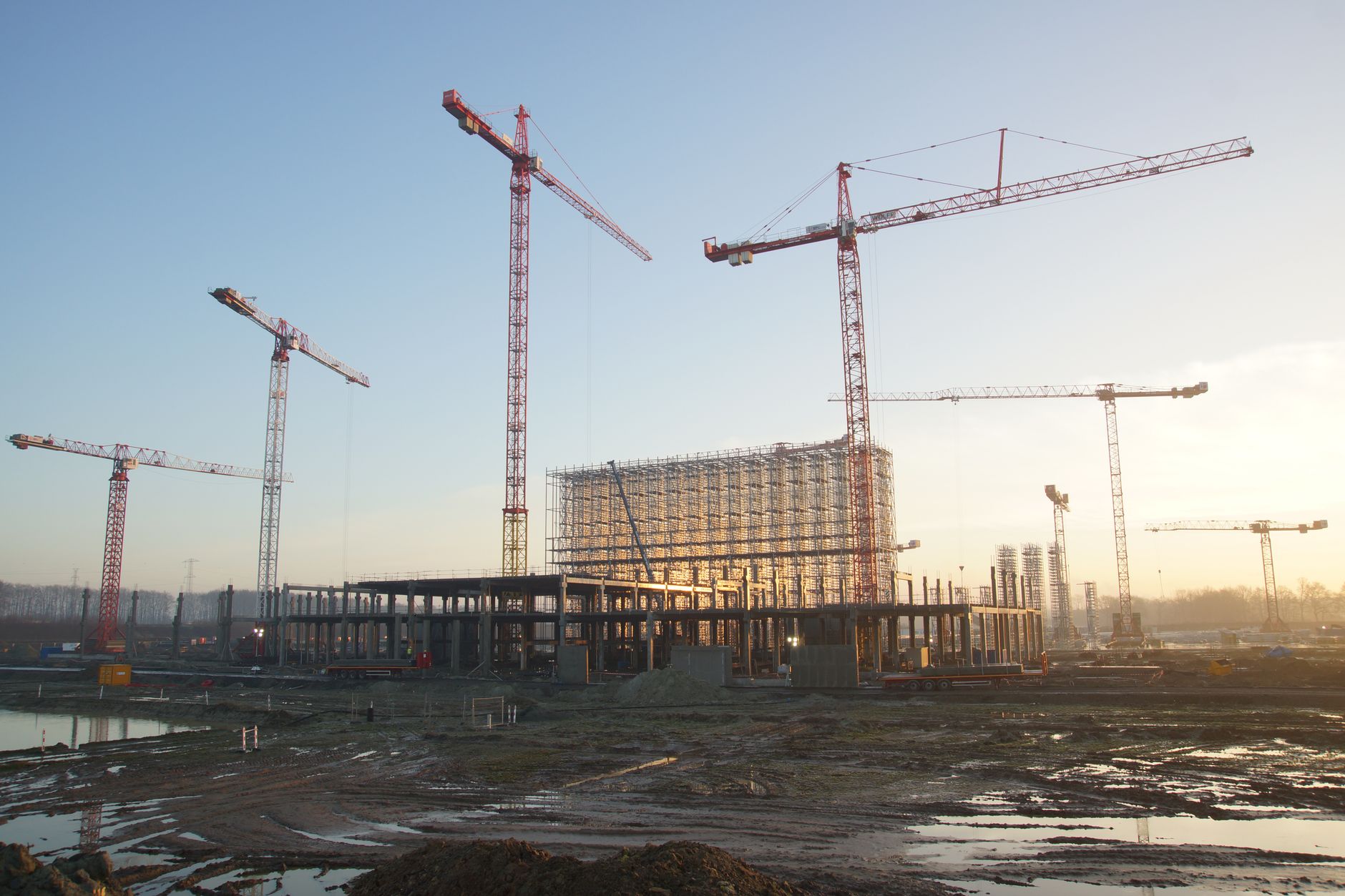
The scale of what is at stake here matters. The UAE project in question is not a modest colocation facility — it is a multi-gigawatt initiative designed to anchor the Gulf region as a global AI compute hub, drawing interest from American hyperscalers and sovereign wealth-backed investors. Reports ahead of the conflict had placed potential capacity targets in ranges that would rival some of Europe’s largest national buildouts. When projects of that ambition start getting rerouted or delayed, the ripple effects touch chip supply chains, energy contracts, fiber routing plans, and the sovereign funds underwriting them.
Why the Gulf Was the Bet in the First Place
The logic for the UAE was sound on paper. Abu Dhabi offered cheap land, heavily subsidized energy, favorable regulatory conditions, and — crucially — a government actively courting Western AI firms that were running out of permitting headroom in the US and Europe. The country’s sovereign wealth vehicles, including Mubadala and ADQ, had been steadily building positions in AI infrastructure plays globally, and a domestic mega-campus was a natural anchor for that strategy. Cooling costs in desert climates are high, but advances in liquid cooling technology had been making the economics progressively more workable.
Regional players also saw the UAE buildout as insulation from the US chip export restrictions that have complicated AI infrastructure investment across much of Asia. The Emirates had been in active dialogue with Washington about receiving access to advanced Nvidia hardware — the kind of high-end GPU clusters that define serious AI training capacity — as part of broader diplomatic and technology-sharing frameworks. That access now sits in a more uncertain diplomatic environment, with conflict dynamics reshaping what Washington is willing to authorize and to whom.
Conflict Risk Is Now a Line Item in Infrastructure Planning
What the Iran war scenario has exposed is that geopolitical risk was underpriced in the Gulf AI investment thesis. Data centers are not agile assets — they are decade-scale infrastructure commitments that depend on uninterrupted energy supply, stable internet exchange connectivity, and the confidence of enterprise and hyperscale tenants that their workloads are safe. A regional conflict that threatens maritime routes through the Strait of Hormuz, disrupts air cargo corridors for hardware shipments, or spooks multinational tenants is precisely the kind of tail risk that due diligence models had been treating as remote. It is no longer remote.
Investors and operators are now reportedly reassessing site selection criteria across the Gulf more broadly, not just for the UAE flagship project. That has opened a quiet competition among alternative regions — parts of Southern Europe, East Africa, and even Central Asia — that had previously struggled to attract the same tier of hyperscale interest. For the UAE, the longer the regional instability persists, the harder it becomes to hold commitments from the major cloud platforms whose anchor tenancy would make the economics of a multi-gigawatt campus viable. A delay measured in months can become a structural rethink measured in years.