As the smart home industry continues to mature, 2025 is poised to be a defining year for interoperability and security standards across connected devices. A recent article by Startup News, titled “HomeKit, Thread, Matter and More,” highlights the accelerating momentum behind the Matter standard and the growing integration of complementary technologies such as Apple’s HomeKit and the Thread networking protocol.
Developed by the Connectivity Standards Alliance (CSA), the Matter standard has gained traction as a unifying protocol designed to streamline communication between smart home devices from different manufacturers. Originally launched with support from major players including Apple, Google, Amazon, and Samsung, Matter aims to resolve longstanding issues of fragmentation and compatibility in the smart home ecosystem. According to Startup News, the push for cross-platform functionality has become increasingly urgent as consumers demand seamless operation between products regardless of brand.
Apple’s role in this transition appears especially pivotal. The company has been gradually integrating Matter into its HomeKit framework, expanding Home app functionality in iOS and macOS updates throughout the year. While Apple initially kept its smart home strategy closely tied to proprietary systems, the adoption of Matter signals a more open approach focused on broader device compatibility.
Simultaneously, Thread, a low-power, IPv6-based mesh networking protocol, is becoming a foundational technology within smart homes. Its ability to enable fast, reliable, and secure communication between devices without relying entirely on Wi-Fi or Bluetooth strengthens the technical underpinnings of Matter. As noted in the Startup News article, Thread’s growing adoption is evident in new devices launched by manufacturers such as Eve, Nanoleaf, and Google Nest, which use Thread to enhance responsiveness and reduce energy consumption.
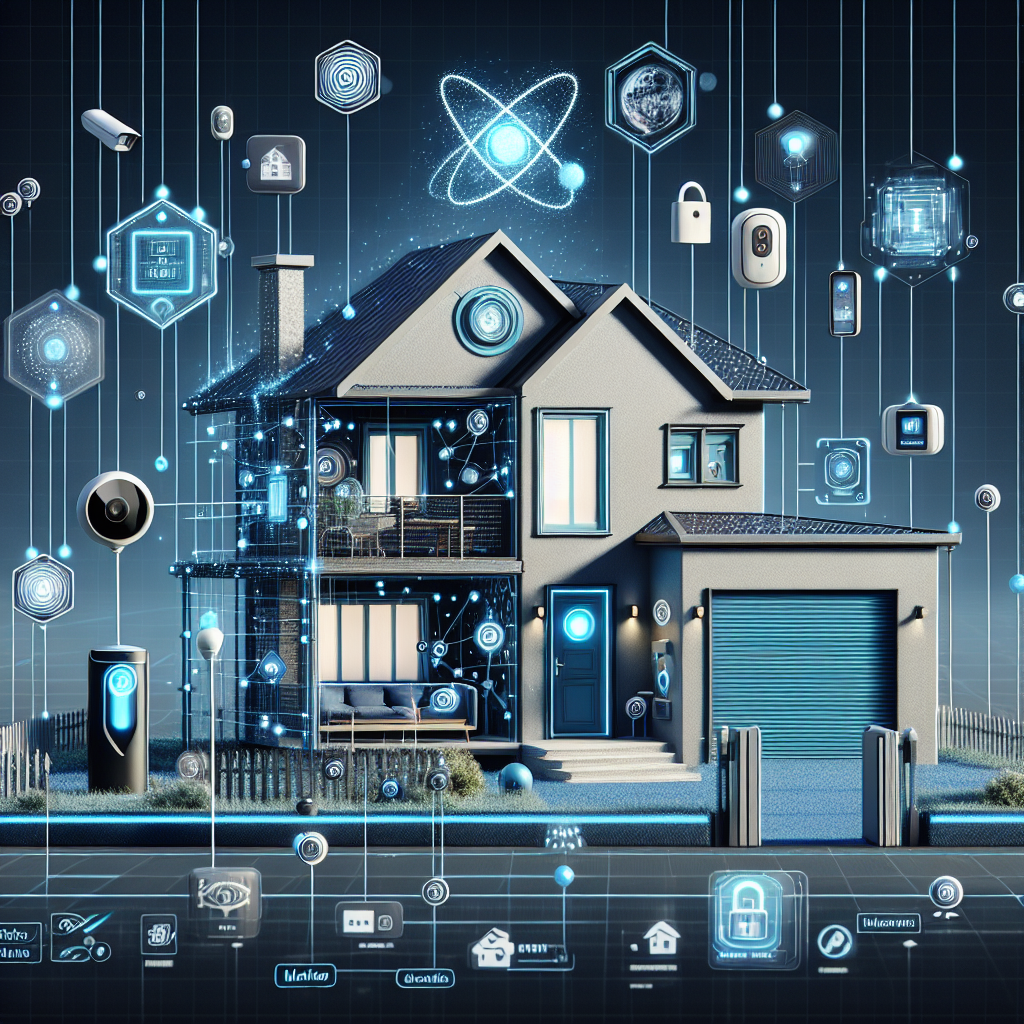
Security remains a critical concern as more households adopt internet-connected appliances, lights, sensors, and door locks. Matter attempts to address this by incorporating end-to-end encryption and secure device onboarding. However, analysts caution that the success of these new standards will depend on their real-world implementation and the extent to which manufacturers invest in timely updates and long-term support.
With CES 2026 on the horizon, expectations are mounting for more announcements showcasing Matter-enabled products and expanding Thread compatibility. The convergence of these technologies may define not only the consumer experience in the smart home space but also the business strategies of tech giants competing for dominance in the connected living market.
As the article from Startup News concludes, the coming year represents a turning point for the smart home ecosystem, where interoperability, efficiency, and security will serve as key benchmarks of progress. The industry’s embrace of unified standards has the potential to reshape daily interactions with technology at home, making connected living more accessible and intuitive than ever before.