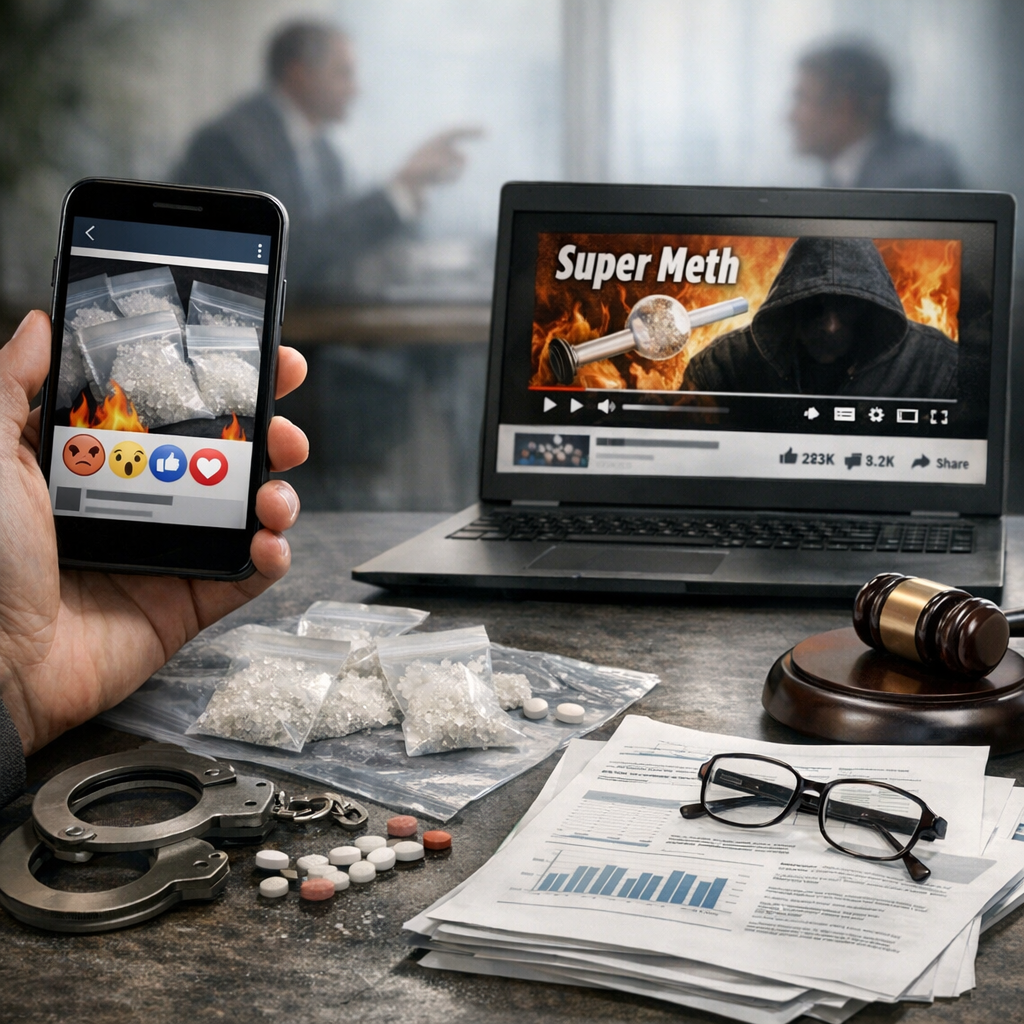
A recent article in Wired, titled “Spencer Pratt Is Creating Panic Over ‘Super Meth,’ the Drug Trope That Won’t Die,” examines how long-standing myths about illicit drugs can be revived and amplified in the digital age, often with troubling consequences for public understanding and policy.
The piece centers on reality television figure Spencer Pratt, who has used his online platform to raise alarm about what he describes as a new, more dangerous form of methamphetamine. While such claims quickly gain traction on social media, experts cited in Wired argue that they echo a familiar pattern of sensationalism around drugs that is not always grounded in scientific evidence. According to addiction specialists and public health researchers, the notion of a dramatically more potent or uniquely destructive version of meth—often referred to in popular discourse as “super meth”—has surfaced repeatedly over the years without clear substantiation.
Methamphetamine itself is already a powerful and harmful stimulant, associated with significant physical, psychological, and societal impacts. However, researchers point out that changes in manufacturing processes and chemical composition over time have led to shifts in potency and effects, which can be misinterpreted or exaggerated in public narratives. The Wired article suggests that these misunderstandings are often compounded by media coverage and viral online commentary that favor dramatic framing over nuance.
Public health professionals warn that such narratives can do more harm than good. By focusing on extreme or sensational claims, they may obscure the broader, evidence-based realities of substance use disorders. This can stigmatize people who use drugs and distract from effective interventions, such as harm reduction strategies, treatment access, and social support systems. Experts emphasize that clear, accurate information is essential for addressing drug-related harms, rather than amplifying fears rooted in anecdote or speculation.
The resurgence of the “super meth” trope also highlights the evolving role of influencers and public figures in shaping discourse around complex issues. Platforms that reward attention-grabbing content can accelerate the spread of claims that might not withstand scrutiny, reaching audiences far beyond traditional media channels. As Wired notes, this dynamic raises questions about accountability and the responsibility of those with large followings to avoid contributing to misinformation.
At the same time, the persistence of such narratives reflects enduring public anxieties about drug use and social change. Simplified or exaggerated explanations can offer a sense of clarity in the face of complicated challenges, even if they distort the underlying reality. Specialists argue that addressing these anxieties requires sustained efforts to improve drug education, promote media literacy, and foster informed conversations grounded in research.
The discussion prompted by Pratt’s comments ultimately underscores a broader tension between viral storytelling and empirical evidence. As the Wired article makes clear, the narrative of an ever-evolving, increasingly dangerous drug can capture attention, but it risks overshadowing the more pressing, if less sensational, work of understanding and addressing substance use in a measured and effective way.