A growing body of research suggests that the long-term viability of electric vehicles may depend as much on how their batteries are managed as on how they are built. A recent report published by Tech Xplore, titled “EV battery fragile; swap may be key,” highlights emerging concerns about battery degradation and points to battery-swapping systems as a potential solution to extend the life cycle of electric vehicles.
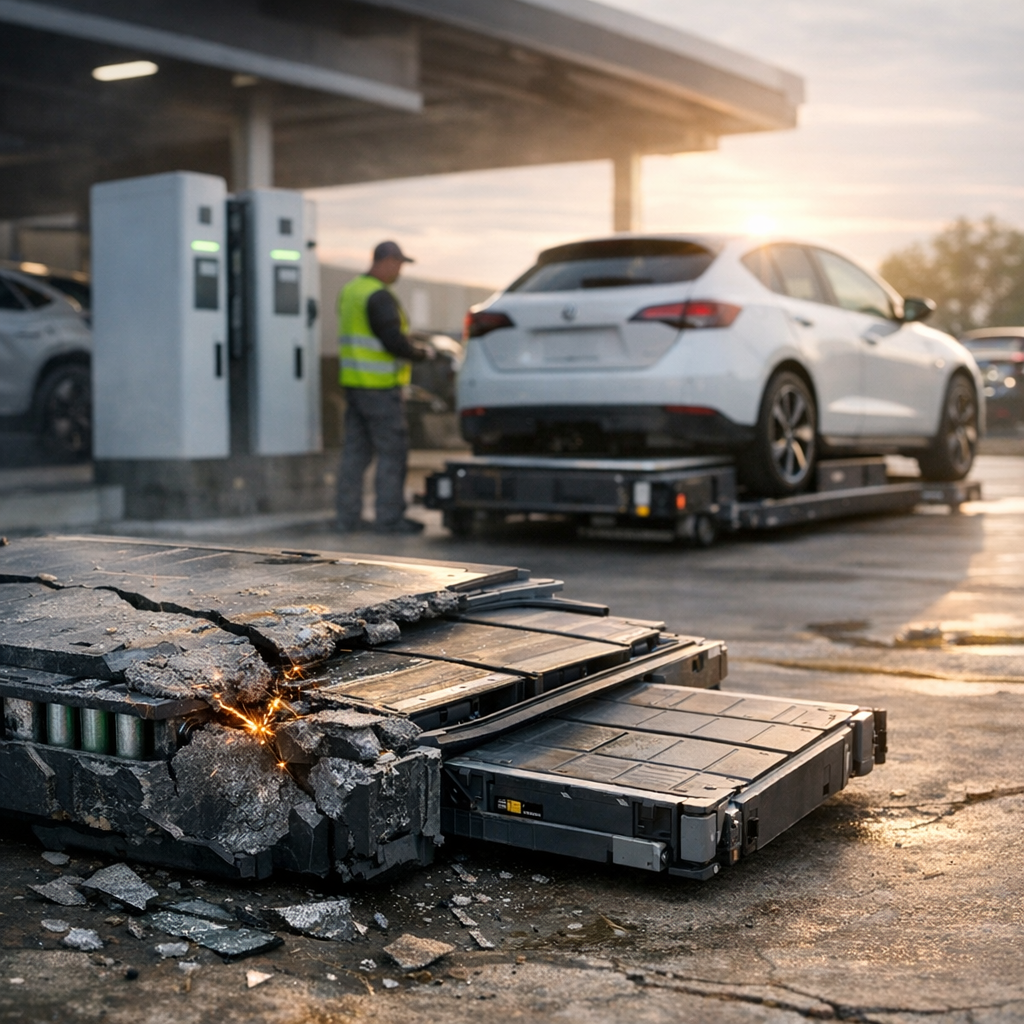
Lithium-ion batteries, the backbone of today’s electric vehicle industry, are known to degrade over time due to repeated charging cycles, temperature fluctuations, and general wear. While manufacturers have made significant advances in energy density and charging speed, the issue of long-term durability remains unresolved. According to the Tech Xplore report, researchers are increasingly warning that current battery designs may be more fragile than previously assumed, particularly under high-demand usage patterns such as fast charging and long-distance driving.
This fragility carries both economic and environmental implications. Battery replacement remains one of the most expensive aspects of electric vehicle ownership, often representing a substantial portion of the vehicle’s total cost. As batteries degrade, performance declines, range diminishes, and resale values drop. At scale, widespread battery deterioration could also complicate sustainability goals by increasing demand for raw materials such as lithium, cobalt, and nickel.
The article notes that battery-swapping models—once considered niche or impractical—are gaining renewed attention as a way to mitigate these challenges. Instead of relying on a single battery pack for the life of a vehicle, drivers would exchange depleted batteries for fully charged ones at dedicated stations. This approach could reduce strain on individual batteries by enabling more controlled charging conditions and centralized maintenance.
Advocates argue that battery swapping offers several advantages beyond durability. It significantly reduces downtime compared to conventional charging and allows for more efficient battery lifecycle management, including refurbishment and recycling. Centralized systems could also enable better monitoring of battery health, potentially improving safety and reliability.
However, the transition to battery swapping presents logistical and economic hurdles. Standardization across manufacturers remains a major obstacle, as most automakers currently design proprietary battery systems tailored to specific vehicle models. Building and maintaining a network of swap stations would also require substantial infrastructure investment, raising questions about scalability and market adoption.
Despite these challenges, the Tech Xplore report emphasizes that interest in battery swapping is growing, particularly in markets where fast turnaround and fleet efficiency are critical, such as commercial delivery and ride-hailing services. Some companies and governments are already piloting such systems, suggesting that the concept may play a more prominent role in the next phase of electric mobility.
As the electric vehicle industry continues to expand, the debate over battery longevity and infrastructure is likely to intensify. The findings highlighted in “EV battery fragile; swap may be key” underscore the need for a broader rethinking of how batteries are used, maintained, and integrated into transportation systems. Whether battery swapping becomes a mainstream solution or remains a specialized approach, the underlying challenge of battery durability is unlikely to fade anytime soon.