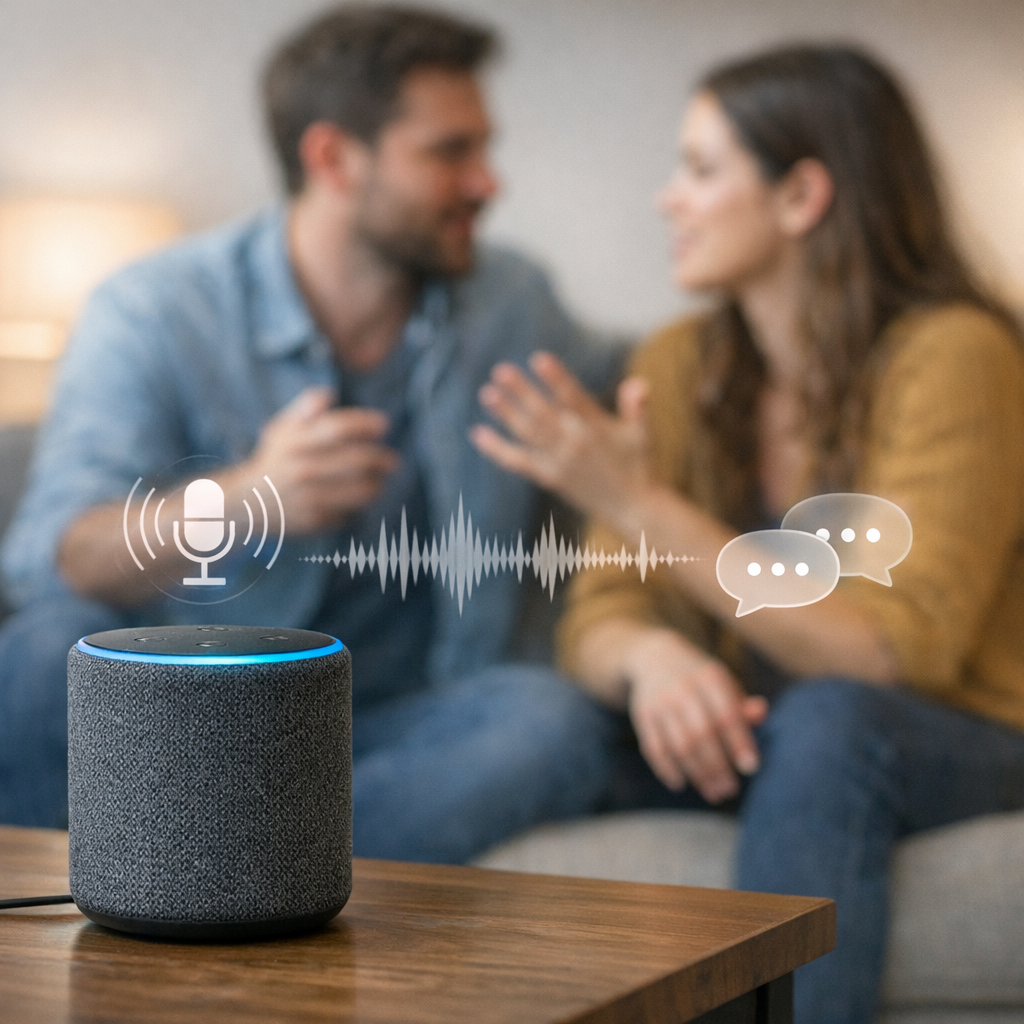
A controversial advertising technology that claimed to eavesdrop on ambient conversations to deliver targeted ads did not, in fact, perform as advertised, according to US regulators, undercutting fears that marketers were secretly using smartphones or other devices to listen in on private speech.
The finding was outlined in a recent enforcement action by the Federal Trade Commission, as reported in Wired’s article “Creepy Listening Tool for Targeted Ads Didn’t Actually Work, FTC Says.” The agency’s investigation focused on a company that promoted software it said could capture and analyze real-world conversations to inform advertising strategies. Marketing materials suggested that brands could leverage the tool to target consumers based on spoken keywords picked up in their surroundings.
Such claims have long fueled public suspicion that technology companies are covertly monitoring users through microphones on personal devices. Surveys have repeatedly shown that many consumers believe their phones “listen” to them for ad targeting, despite denials from major platforms. Privacy advocates have warned that the mere perception of such capabilities erodes trust and highlights broader concerns about opaque data practices.
According to the FTC, however, the company behind the tool misrepresented its product. Investigators concluded that the technology did not function as claimed and could not reliably capture or process ambient audio in the way its marketing suggested. In effect, the agency found that the firm had capitalized on widespread anxieties about surveillance to sell a product that lacked the described capabilities.
The case underscores a different but related risk in the digital advertising ecosystem: not that invasive technologies are always in use, but that companies may exaggerate or fabricate their effectiveness to attract clients. Regulators emphasized that false or misleading claims about technological capabilities can themselves constitute deceptive practices, particularly when they trade on fears about privacy violations.
At the same time, the FTC’s findings do not eliminate broader concerns about data collection and targeted advertising. While the specific “listening” tool examined in this case did not work as advertised, advertisers and platforms continue to rely on extensive user data, including browsing histories, app usage, location data, and inferred interests. For privacy advocates, the episode serves as a reminder that even when one alarming claim proves unfounded, systemic questions about surveillance capitalism remain unresolved.
Wired’s reporting notes that misconceptions about how ads are targeted persist partly because of the uncanny accuracy with which promotions sometimes align with users’ recent experiences or conversations. Experts say this phenomenon is more often explained by sophisticated data aggregation and predictive algorithms than by real-time audio surveillance. The FTC’s action reinforces that distinction while signaling that regulators are willing to intervene when companies mislead clients or the public about emerging technologies.
Ultimately, the case illustrates a convergence of misinformation, marketing hype, and genuine privacy anxiety. While the idea of devices constantly listening for advertising purposes remains a powerful narrative, the regulator’s findings suggest that, at least in this instance, the threat was more imagined than real, even as the underlying concerns about digital tracking continue to demand scrutiny.