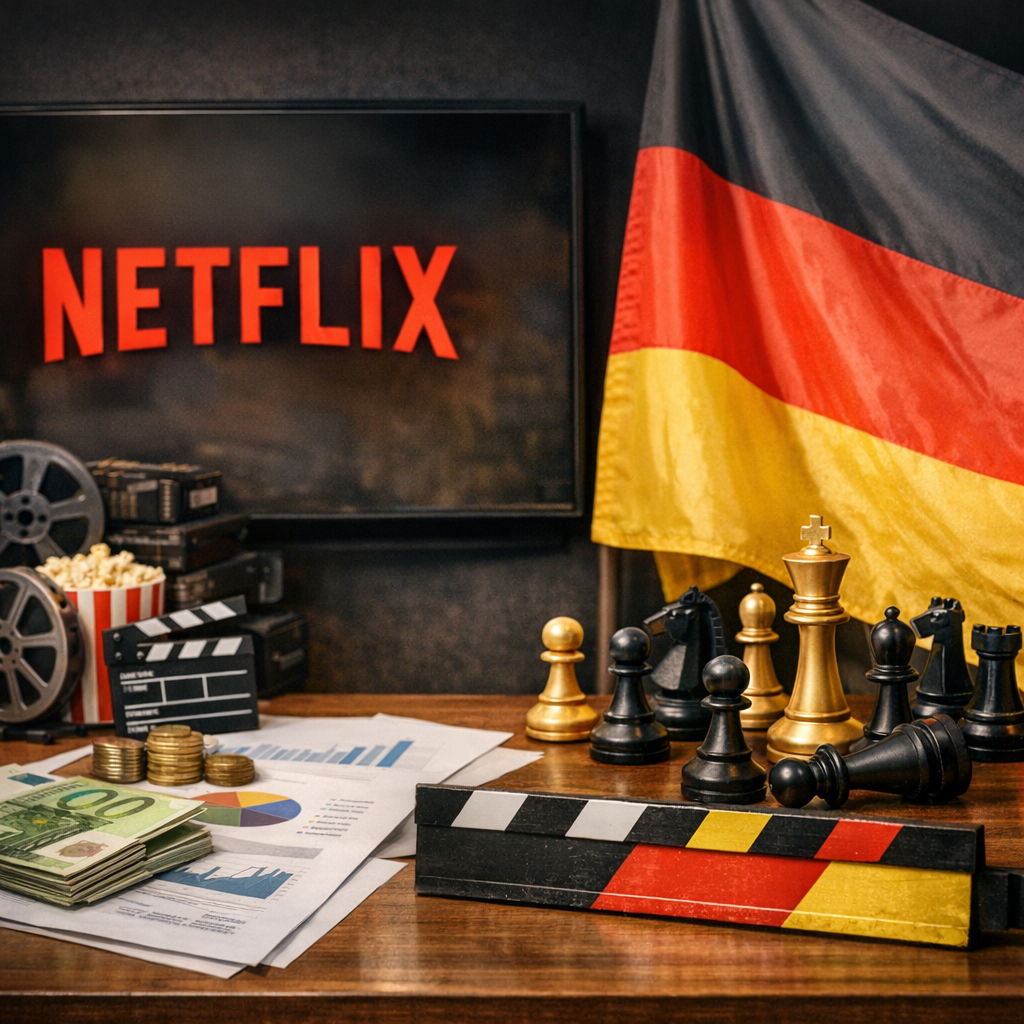
Netflix has sharply criticised proposed German legislation that would compel major streaming platforms to increase their financial contributions to locally produced content, warning that the move could undermine investment incentives and disrupt the European media landscape.
The objections were reported in an article titled “Netflix criticises German plan to make streamers invest more locally,” published by The Economic Times. According to the report, Germany is considering measures that would require streaming companies to dedicate a greater share of their revenue toward domestic film and television production, part of a broader push across Europe to strengthen cultural industries and reduce reliance on foreign content.
Netflix argued that while it supports local storytelling and has already invested significantly in German productions, a rigid quota-based system risks being counterproductive. The company said such policies could divert funds away from creative decision-making and instead impose inflexible financial obligations that do not account for market dynamics or audience demand.
The proposed framework is understood to be part of Germany’s implementation of wider European Union audiovisual rules, which encourage member states to ensure that streaming services contribute to national creative sectors. Several countries, including France and Italy, have already introduced similar requirements, often mandating that a percentage of revenues be reinvested locally or used to acquire domestic content.
However, Netflix maintains that its existing investments demonstrate a commitment to European production without the need for additional mandates. The company has expanded its slate of German-language programming in recent years, producing internationally successful series and films that have also contributed to exports of European content.
Critics of the German proposal within the streaming industry argue that stricter obligations could lead to reduced flexibility in content budgets and potentially discourage new entrants or smaller platforms from expanding in the market. They also warn of unintended consequences, such as prioritising quantity over quality in order to meet regulatory thresholds.
Supporters of the plan contend that such measures are necessary to ensure the sustainability of local creative ecosystems in the face of growing dominance by global technology and entertainment firms. They argue that requiring streamers to reinvest locally helps preserve cultural diversity and provides stable funding for domestic producers.
The debate reflects a broader tension between national cultural policy objectives and the business models of global streaming services. As governments across Europe refine their regulatory approaches, the outcome in Germany may influence policy direction in other markets weighing similar interventions.
While discussions are ongoing, the dispute highlights the increasingly complex relationship between regulators seeking to bolster local industries and platforms operating across borders with global content strategies.