A recent investigation by Wired, titled “Streamers Like Clavicular Are Humiliating OnlyFans Girls for Clout,” highlights a growing and contentious trend within the online creator economy: livestream personalities gaining attention and revenue by publicly shaming adult content creators.
The article describes how certain streamers, including a figure known as Clavicular, have built audiences by critiquing, mocking, or confronting women who produce content on subscription platforms such as OnlyFans. These interactions are often framed as commentary or satire, but critics argue they frequently cross into targeted harassment, with participants’ images, identities, and livelihoods exposed to ridicule before large audiences.
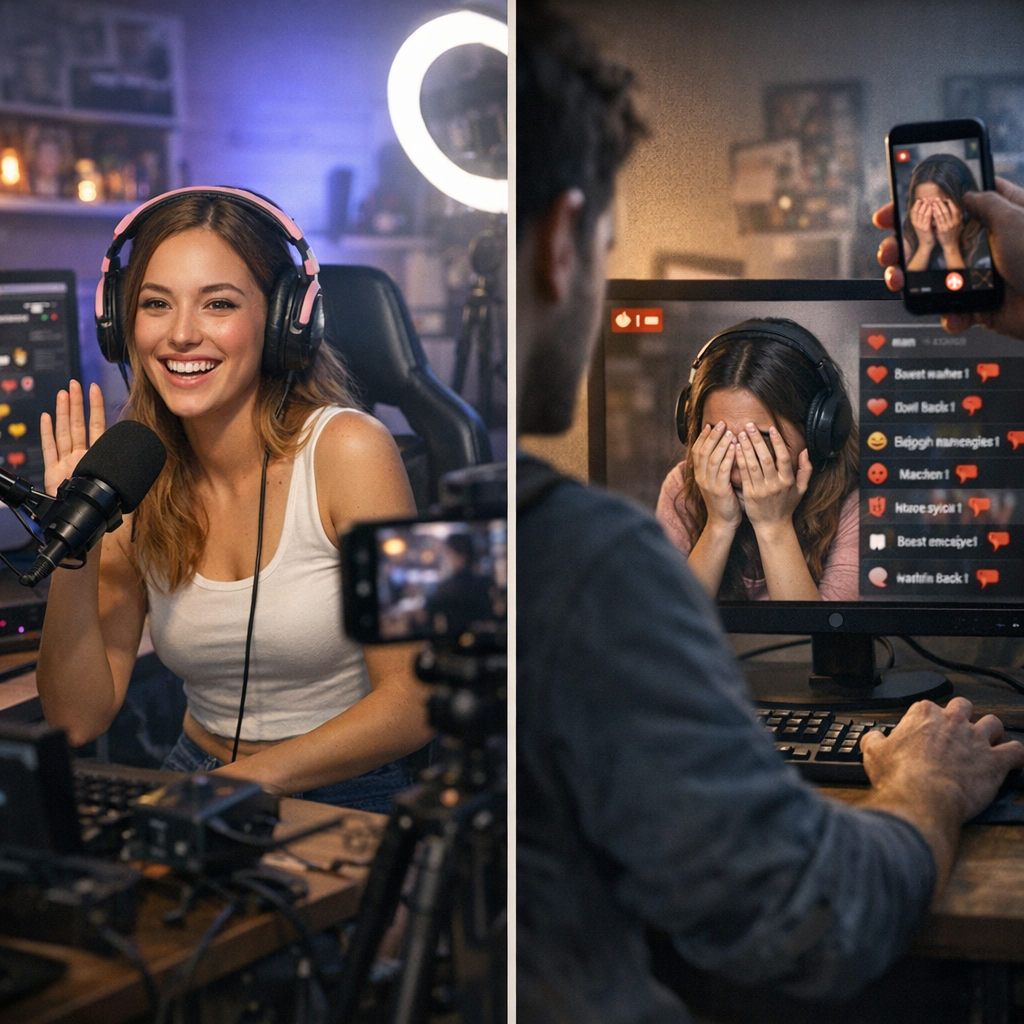
According to Wired’s reporting, these broadcasts often follow a predictable format. Streamers will invite or feature OnlyFans creators—sometimes under the pretense of interviews or debates—before pivoting to aggressive questioning about their work, personal choices, or earnings. Clips are then edited and circulated across social media platforms, amplifying the reach and ensuring that the most sensational moments gain traction.
The dynamic raises broader questions about power imbalances in the digital economy. While both streamers and adult content creators operate within monetized online ecosystems, their revenue models differ significantly. Streamers typically benefit from advertising, sponsorships, and audience engagement metrics that reward controversy and virality. OnlyFans creators, by contrast, rely on subscription-based income that can be destabilized by reputational harm, even when attention increases.
Experts cited in the Wired article point to the role of platform algorithms in incentivizing this behavior. Content that provokes strong emotional responses—outrage, amusement, or shock—often performs better, encouraging creators to escalate their tactics. This environment can blur the line between legitimate critique of the adult industry and content designed primarily to humiliate individuals for entertainment.
The phenomenon also underscores persistent societal tensions surrounding sex work. While platforms like OnlyFans have normalized certain forms of adult content production, stigma remains a powerful force. Streamers who frame their criticism as moral or cultural commentary may tap into that stigma, attracting audiences who view such content through a lens of judgment rather than neutrality.
At the same time, defenders of these streamers argue that public figures, including those who monetize their image online, should be open to scrutiny. They contend that debates about the implications of platforms like OnlyFans—ranging from labor conditions to cultural impact—are legitimate and necessary. However, Wired’s reporting suggests that many of these interactions are less about substantive discussion and more about spectacle.
The trend reflects a broader shift in digital media, where the boundaries between entertainment, commentary, and exploitation are increasingly difficult to define. As platforms struggle to moderate content at scale, enforcement often lags behind emerging behaviors, leaving individuals to navigate complex risks on their own.
Ultimately, the Wired article situates the rise of figures like Clavicular within a larger ecosystem that rewards attention at almost any cost. As audiences continue to gravitate toward provocative content, the ethical implications of such programming—and its real-world consequences for those targeted—are likely to remain a subject of debate.