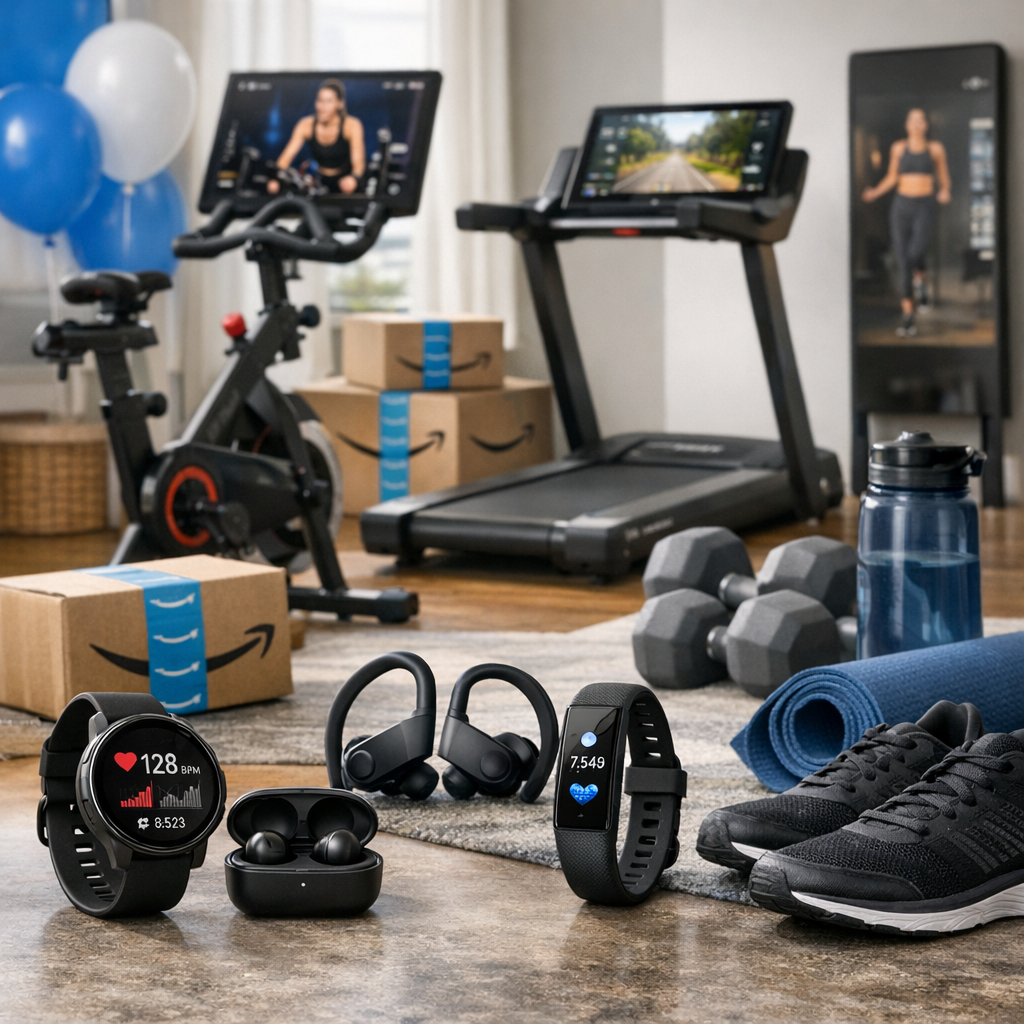
Amazon’s annual Prime Day promotion is once again shaping consumer spending patterns in the fitness sector, with steep discounts on connected equipment, wearables, and recovery tools drawing particular attention. A recent article published by WIRED, titled “Amazon Prime Day Fitness Deals”, highlights how the event has evolved into a key moment not only for bargain hunters but also for major fitness brands seeking to capture midyear demand.
The WIRED report outlines a wide spectrum of discounted products, ranging from smartwatches and fitness trackers to adjustable dumbbells and home cardio machines. Devices from established technology companies and newer direct-to-consumer fitness brands are featured prominently, reflecting how the line between consumer electronics and health equipment continues to blur. Wearable fitness trackers, in particular, appear to dominate the promotion, with significant price reductions aimed at attracting first-time users as well as upgrades from older models.
Industry analysts note that Prime Day has effectively become a secondary annual sales anchor for the fitness market, complementing the traditional New Year’s surge in health-related purchases. The timing in late June positions it strategically: consumers are often reassessing fitness goals midyear, while warmer weather encourages outdoor activity and training. Retailers, in turn, use the event to clear inventory ahead of new product cycles typically announced in the fall.
The WIRED article emphasizes that many of the featured deals focus on products that integrate with subscription-based ecosystems, such as guided workout platforms and health tracking services. This reflects a broader shift in the fitness industry toward recurring revenue models. Hardware discounts can serve as a gateway to long-term customer engagement, with companies betting that lower upfront costs will translate into sustained subscription uptake.
At the same time, some experts caution that not all discounts represent true value. The proliferation of deals, particularly on lesser-known brands, can make it difficult for consumers to distinguish between meaningful savings and inflated original pricing. The WIRED piece advises readers to compare historical pricing using tools like price tracking services and prioritize products with established performance records and reliable software support.
Another notable trend highlighted in the report is the growing presence of recovery and wellness tools in Prime Day promotions. Items such as massage guns, sleep trackers, and infrared therapy devices are increasingly marketed alongside traditional fitness gear. This reflects a more holistic framing of fitness that extends beyond exercise to include rest, stress management, and overall well-being, aligning with insights from organizations like the World Health Organization.
Amazon’s influence over the fitness retail landscape remains significant. By aggregating a wide array of brands and leveraging its logistics network, the company can rapidly shape visibility and consumer preference. However, this dominance also raises questions about market consolidation and the challenges faced by smaller retailers that cannot match the scale or pricing flexibility of Prime Day promotions.
The WIRED article ultimately presents Prime Day not just as a sale, but as a snapshot of where the fitness industry is heading. The convergence of technology, commerce, and health continues to accelerate, with deeply discounted devices serving as both entry points and indicators of broader consumer trends.