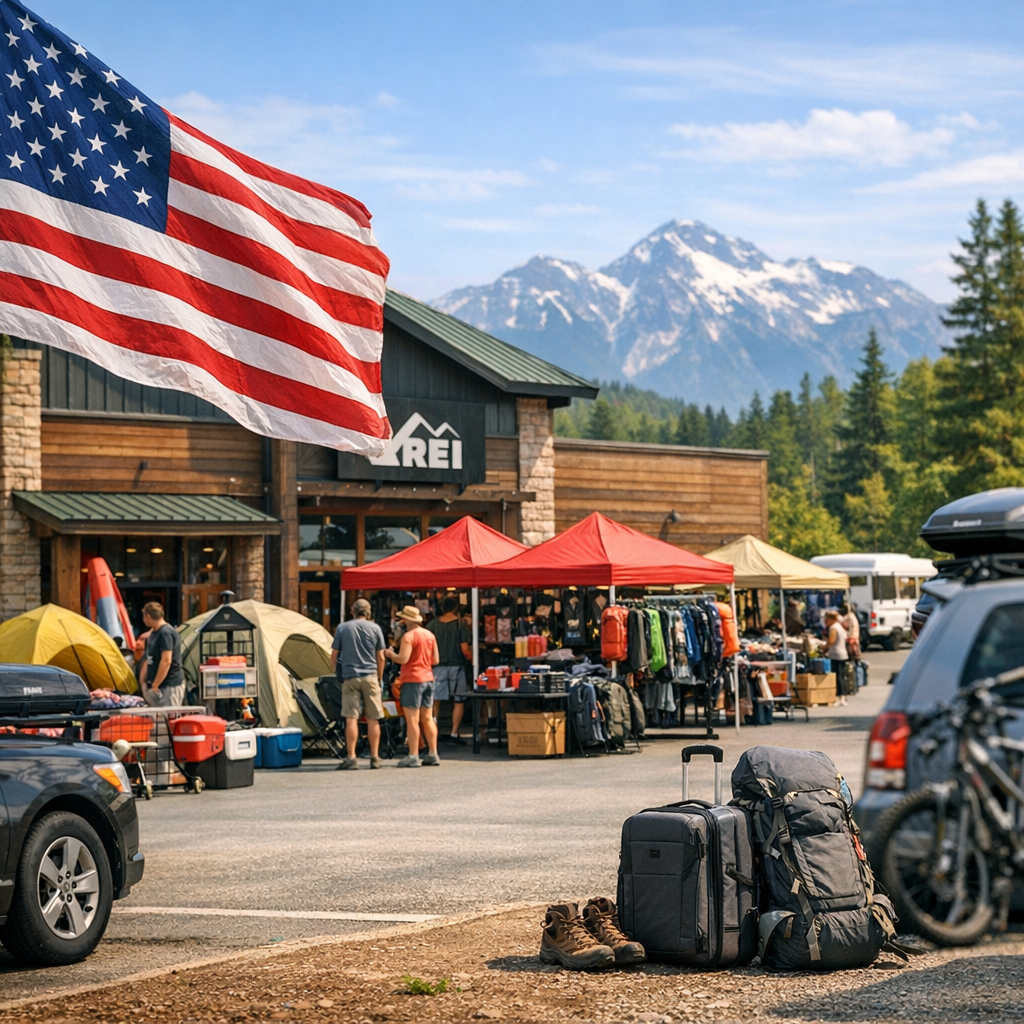
Consumers preparing for peak summer travel and outdoor recreation are being met with aggressive seasonal promotions from major retailers, with REI’s annual Independence Day sale emerging as a focal point for discounts on camping, hiking, and travel gear. According to Wired’s recent article, “REI 4th of July Sale 2026: The Best Deals on Outdoor Gear,” the retailer is offering substantial price cuts across a wide range of products, reflecting both shifting consumer demand and intensifying competition in the outdoor retail sector.
The sale, which has become a recurring fixture on the retail calendar, highlights how outdoor brands are increasingly aligning promotional strategies with key vacation periods. As Wired reports, the discounts span essential equipment such as tents, backpacks, and sleeping bags, as well as apparel and accessories from both REI’s in-house label and major third-party brands. The breadth of the sale underscores the retailer’s effort to appeal to a diverse customer base, from experienced backcountry enthusiasts to casual travelers planning seasonal getaways.
Industry analysts note that such promotions are not merely about clearing inventory but also about capturing consumers at a moment of heightened intent. Early July, coinciding with national holidays and favorable weather, often prompts last-minute purchases tied to camping trips, hiking excursions, and road travel. According to data from the Outdoor Industry Association, seasonal peaks in participation often align with major holidays, reinforcing the effectiveness of well-timed sales. By concentrating discounts during this period, retailers like REI can drive both foot traffic and online engagement while reinforcing brand loyalty among outdoor consumers.
Wired’s coverage also emphasizes the growing importance of curated deal guides in shaping purchasing decisions. As product categories become increasingly saturated, consumers often rely on expert recommendations to navigate a crowded marketplace. Research from McKinsey on digital consumer behavior highlights how editorial curation and trusted content influence purchasing decisions, particularly for higher-cost items. The article highlights specific standout deals, suggesting that editorial selection has become a key intermediary between retailers and buyers.
At the same time, the prominence of such sales reflects broader consumer trends. Outdoor recreation, which saw a surge in participation during the pandemic years, continues to maintain elevated interest levels. Data from the U.S. Bureau of Labor Statistics and related economic trackers indicate sustained spending in leisure and recreation categories. Retailers are responding not only with discounts but with product diversification, sustainability initiatives, and expanded private-label offerings. REI, in particular, has positioned itself at the intersection of commerce and environmental stewardship, a strategy further outlined in its corporate sustainability initiatives, helping differentiate it in a competitive landscape.
However, the reliance on recurring discount cycles raises questions about long-term pricing strategies and consumer expectations. Frequent large-scale sales can condition customers to delay purchases, potentially compressing margins and complicating inventory planning. For now, though, the immediate benefits appear clear: strong seasonal engagement and continued visibility in a crowded retail environment.
As outlined in Wired’s coverage, the event serves as both a commercial opportunity and a barometer of consumer behavior. It illustrates how outdoor retail continues to evolve, balancing promotional urgency with brand identity in an increasingly competitive and experience-driven market.