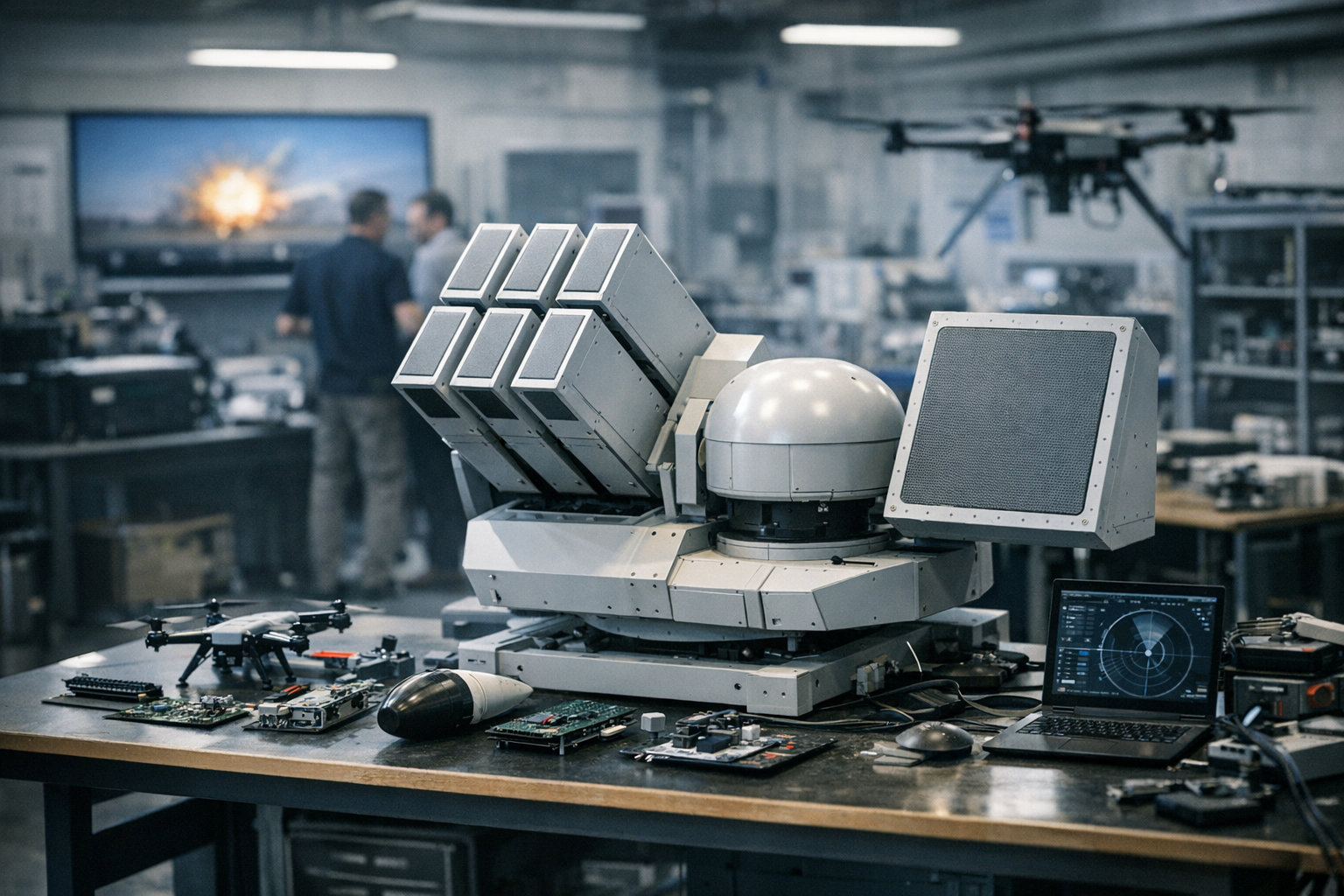
The same defense company behind the Arrow ballistic missile interceptor has turned its attention to a threat at the opposite end of the altitude spectrum: cheap, coordinated drone swarms that are overwhelming conventional air defenses across modern conflict zones. Israel Aerospace Industries has unveiled a new counter-drone system purpose-built to detect, track, and neutralize multiple unmanned aerial vehicles simultaneously, according to Calcalist Tech, which first reported the development.
The timing is deliberate. Drone swarms — dozens or even hundreds of low-cost UAVs operating in concert — have emerged as one of the most tactically disruptive weapons of the current decade, partly because legacy missile defense systems were designed for high-value single targets, not saturating clouds of inexpensive aircraft. IAI’s new solution is designed to close exactly that gap.
Layered Kill Chain, Not Just a Single Interceptor
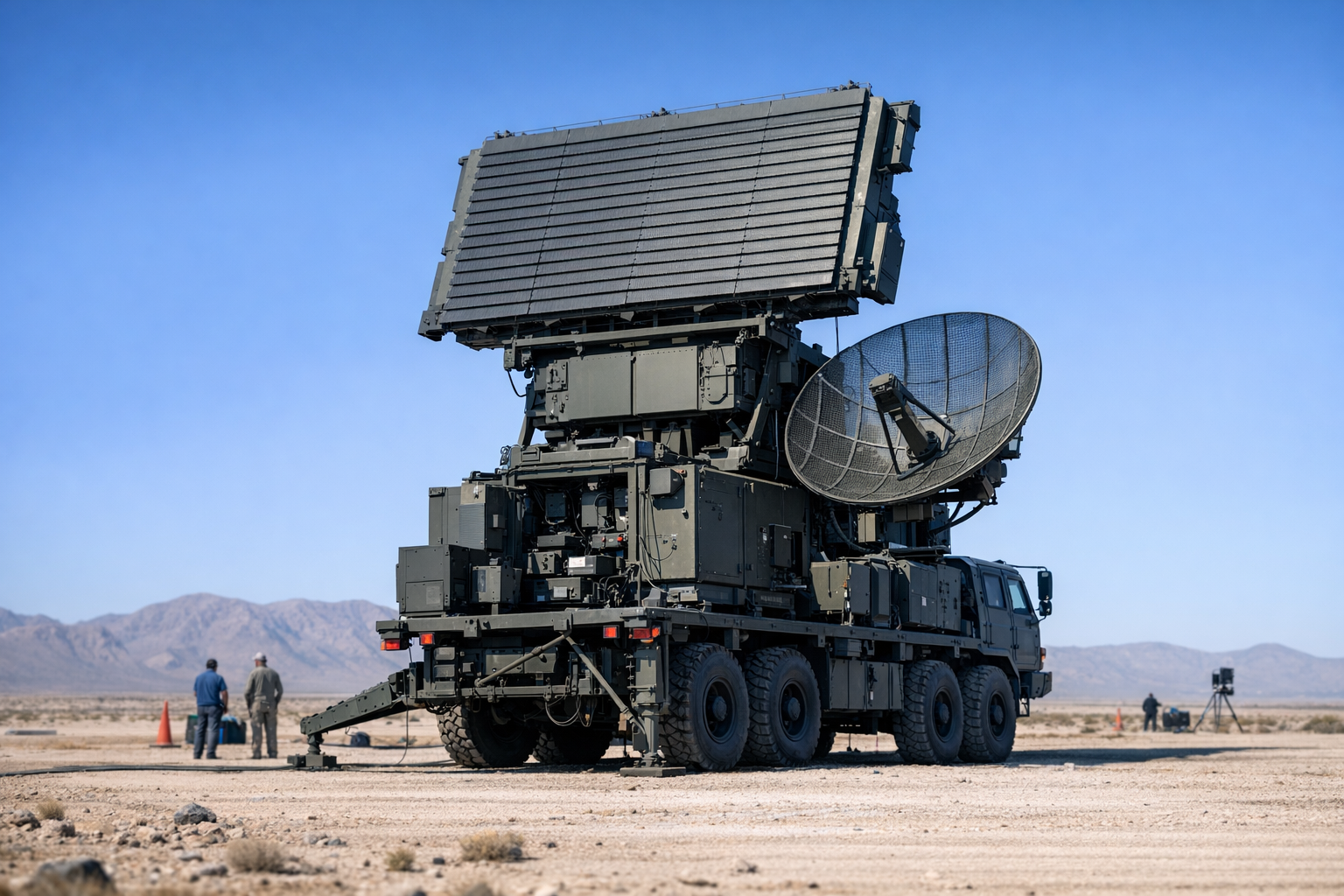
What IAI is pitching is not a single weapon but a multi-layer architecture that integrates detection, classification, and engagement into one coordinated response. The system combines radar and electro-optical sensors to identify incoming swarms early, then routes intercept decisions across hard-kill and soft-kill options — meaning it can physically destroy drones or jam and spoof their guidance systems depending on the threat profile and cost calculus of the engagement.
That layered approach matters because no single countermeasure is reliable against a well-designed swarm. Jamming alone fails if drones switch to pre-programmed autonomous flight. Kinetic interceptors alone become prohibitively expensive when you’re firing costly missiles at $500 commercial drones. By stacking response options and automating triage across the swarm, IAI’s architecture aims to keep the cost-per-kill on the defender’s side of the ledger — a problem that militaries from NATO members to Gulf states have openly flagged as unsolved.
Arrow’s Pedigree, a Very Different Mission Profile
IAI’s credibility in integrated air defense is well established. The company’s Arrow system, developed jointly with Boeing and the U.S. Missile Defense Agency, is one of the few operational exo-atmospheric interceptors in the world, designed to kill ballistic missiles above the atmosphere before they reenter. Applying that systems-integration experience to the counter-drone domain is a meaningful engineering pivot — the physics and intercept geometry are radically different, but the command-and-control discipline required to manage a high-tempo, multi-target engagement translates directly.
The new system is being positioned for both domestic use and export, with IAI targeting international customers who are actively searching for scalable counter-UAS solutions. The global counter-drone market has expanded sharply as militaries and governments digest lessons from Ukraine, where drone warfare has redefined tactical norms at every level of conflict. IAI enters that market with a defense-grade pedigree that pure-play counter-drone startups cannot easily replicate, and with manufacturing and integration infrastructure already sized for sovereign defense contracts.
The reliability gap between laboratory demonstrations and real-world deployment is a persistent challenge for autonomous defense systems — a problem Future Wire has examined in the context of AI system reliability more broadly. For a counter-swarm platform, that gap is particularly consequential: a system that performs at 90 percent in testing may still allow dozens of drones through in a real engagement. IAI has not yet published independent test data or engagement statistics for the new platform, so field validation will be the critical next proof point.
The defense sector’s appetite for scalable autonomous systems is also reshaping how capital flows into adjacent technology markets. As hardware-intensive defense programs attract sovereign and institutional funding, the pressure on dual-use AI and energy infrastructure intensifies — dynamics visible in how AI infrastructure investment is already pulling power-generation capacity into new strategic territory. IAI’s counter-drone push is another signal that autonomous systems have moved from experimental programs to procurement-ready products, and that the companies with systems-integration depth are best positioned to win those contracts.