
The global market for dermatology devices is on a steep climb, projected to reach $17.73 billion by 2031 from $12.27 billion in 2026, according to MarketsandMarkets data released this week. That’s a compound annual growth rate of 7.6 percent over five years — steady, significant, and almost entirely driven by forces that aren’t slowing down: aging populations, a global surge in cosmetic procedures, and the increasing integration of AI-assisted diagnostics into clinical dermatology workflows. This isn’t a niche corner of medtech anymore. Skin is becoming one of the most technologically contested surfaces in healthcare. The overlap between AI-powered imaging and medical-grade treatment is creating a convergence that looks a lot like what’s happening in AI medical data more broadly.
The report, titled “Dermatology Devices Market worth $17.73 billion by 2031 — Exclusive Report by MarketsandMarkets,” breaks the market into device type, application, end user, and geography. Laser and light-based devices dominate the revenue picture today, used in everything from acne treatment and psoriasis management to tattoo removal and hair reduction. Imaging and diagnostic devices are growing fastest, particularly as AI-powered dermoscopy tools and teledermatology platforms make early-stage skin cancer detection more scalable. The pressure to catch melanoma earlier — and to do it without a specialist in the room — is reshaping what a dermatology device even looks like.
Where the Growth Is Actually Coming From
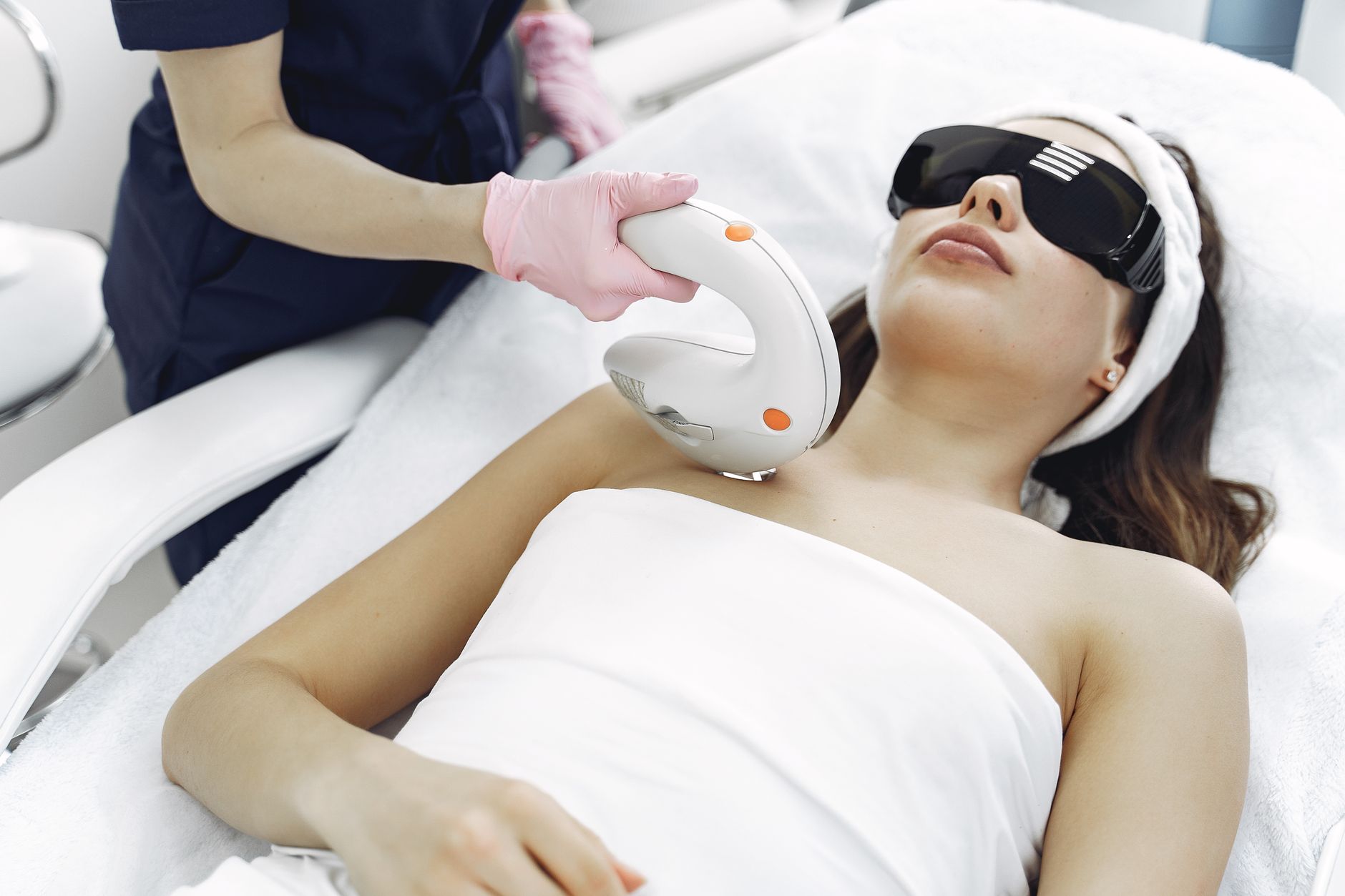
North America holds the largest share of the global market today, buoyed by high consumer spending on cosmetic procedures, a dense network of dermatology clinics, and robust reimbursement frameworks for therapeutic skin devices. The United States in particular has seen an explosion in demand for energy-based devices — tools that use radiofrequency, ultrasound, and intense pulsed light to address conditions ranging from rosacea to skin laxity. Medtech manufacturers are responding by releasing increasingly precise, lower-downtime systems aimed at outpatient and med-spa settings, not just hospital dermatology departments.
Asia-Pacific is identified as the fastest-growing regional market, with rising disposable incomes, expanding healthcare infrastructure, and a surging middle-class appetite for cosmetic dermatology procedures driving adoption across China, India, South Korea, and Southeast Asia. South Korea in particular has become a proving ground for next-generation aesthetic devices, with domestic manufacturers competing directly against entrenched Western brands. The convergence of K-beauty culture and clinical-grade technology is accelerating device adoption in ways that pure healthcare spending metrics don’t fully capture.
AI, Diagnostics, and the Race to Digitize the Skin
The most forward-looking segment of the market is diagnostic and imaging devices, where AI integration is fundamentally changing the clinical value proposition. Dermoscopy tools embedded with machine learning classifiers can now flag suspicious lesions with accuracy comparable to board-certified dermatologists in controlled studies. Teledermatology platforms are extending that capability to primary care settings and underserved regions where specialist access is limited. This is the part of the market that carries the most long-term disruption potential — not because it will replace clinical judgment, but because it makes clinical-grade screening economically viable at massive scale.
Key players shaping the competitive landscape include Alma Lasers, Cutera, Lumenis, Solta Medical, Syneron Candela, and Stryker, among others. The market is consolidating around companies that can offer integrated platforms — combining treatment devices with digital record-keeping, imaging, and outcomes tracking — rather than standalone hardware. That ecosystem approach mirrors broader trends in medtech where data continuity across a patient’s treatment journey is becoming as commercially important as the device itself. Venture dollars are flowing accordingly, chasing the same pattern of AI-layer-on-top-of-physical-hardware that’s reshaping sectors far beyond dermatology. The skin, it turns out, is a serious frontier.